
The 1982 Lincoln cent is one of the most divided years in modern U.S. coinage. Copper and zinc, large date and small date, Philadelphia and Denver, the year produced seven recognized business strike combinations before any variety hunter ever looks at a single die. And yet, despite all that pre existing complexity, the list of true die varieties from 1982 is remarkably short.
That short list is what concerns collectors looking past the headline transitional categories. There are only a handful of pure varieties worth pursuing on the 1982 cent, but two of them are genuinely worth knowing, and one transitional error from Denver sits among the most valuable mistakes the modern Mint has ever made.
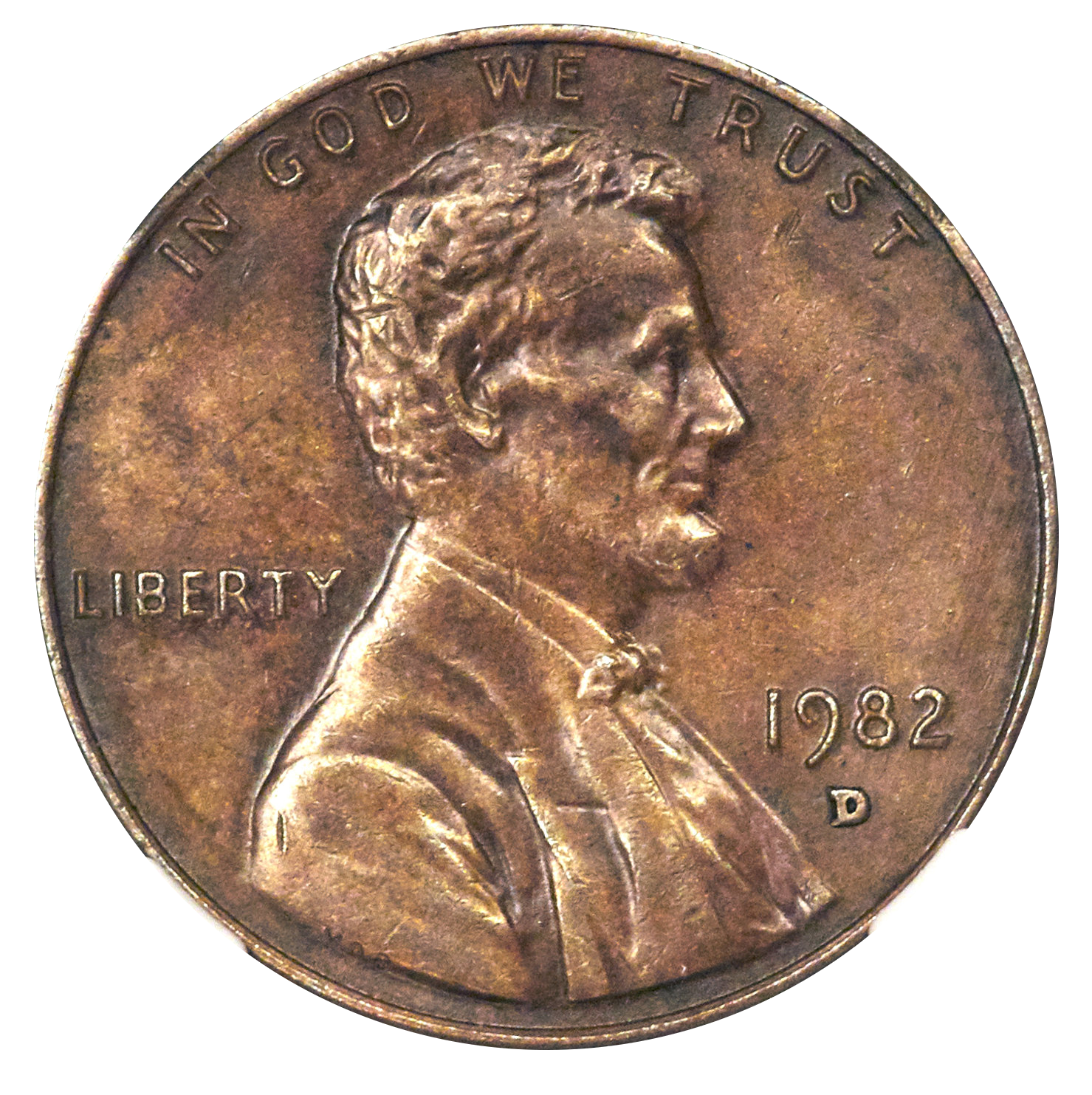
FS-01-1982-101, The Large Date Copper DDO
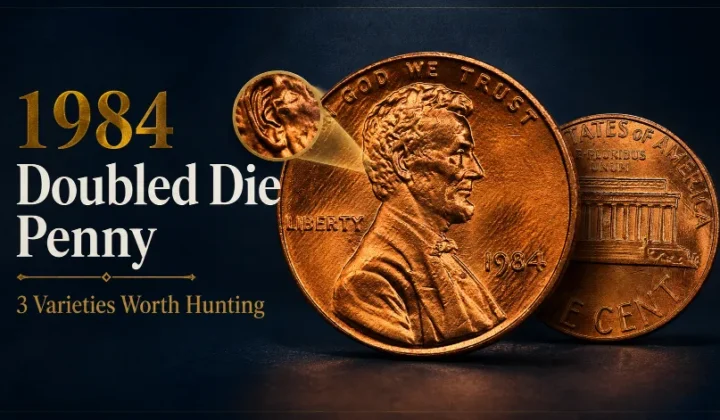
The first variety lives on the older copper planchet, the one that should still weigh in at roughly 3.1 grams, paired with the large date design. It is a doubled die obverse, classified as a Class V pivoted hub doubling.
The minor doubling on the letters of LIBERTY is real but easy to miss. Most of it concentrates on the L, and even there it is not the kind of separation that announces itself across the room. It is not the first place to look.
The star of the variety is the motto. Every letter of IN GOD WE TRUST shows doubling pushed to the left of the letter, but WE TRUST carries it most strongly, and that section is where attribution should be confirmed. The doubling holds up well across grades, which is a quietly important point: a circulated example will still read as the variety, where many doubled dies effectively disappear below MS.
The auction record reflects the variety’s modest but stable demand. In 2026, Heritage sold an example graded MS65 Red in an older ANACS slab for $341.60, a result that says less about scarcity than about the steady collector base that builds Lincoln variety sets one cent at a time.

FS-01-1982-1801, The Small Date Zinc DDR
The second variety is the scarcer of the pair, and the more visually rewarding to find. It is a doubled die reverse on the small date zinc cent, and it was not discovered until 2007, which means precious few examples have surfaced in the nearly two decades since.
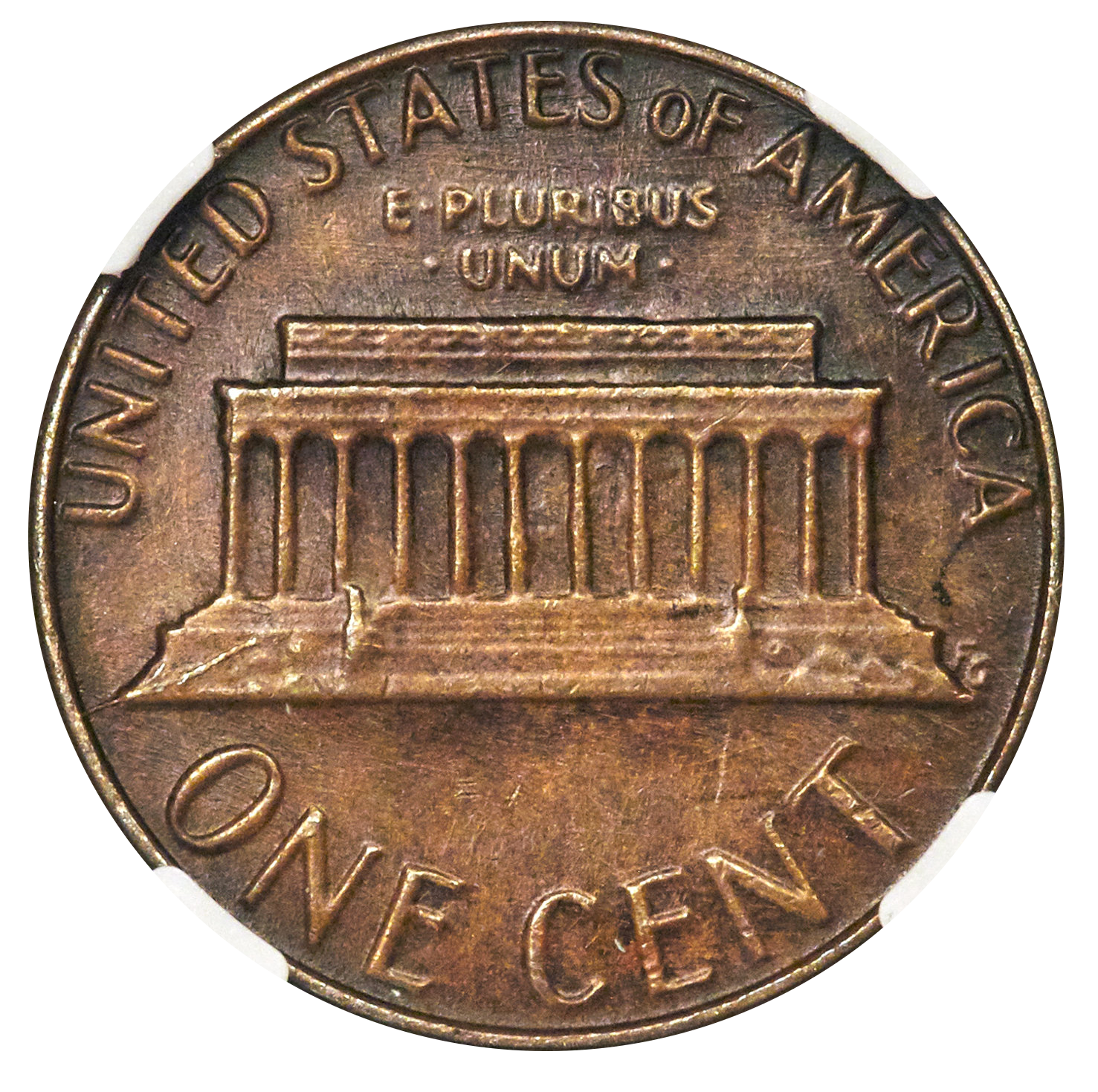
The doubling on this coin is not subtle. It is, however, unevenly distributed. The letters of E PLURIBUS UNUM carry clear doubling to the left across every letter, including the dots that separate the words. That is the showpiece of the variety, but it is not the most reliable attribution point.
The Memorial building itself is more useful for confirmation. Columns one and two on the left side should show similar leftward doubling, with strong separation lines running from top to bottom of the columns.
The strongest doubling, though, is on the lower legend. Look at ONE CENT first, both letters of ONE show doubling pushed to the left. Then move to UNITED STATES OF AMERICA. The U of UNITED carries strong separation lines in the bottom rounding. The D shows the same kind of dramatic separation. And the E of UNITED may be the single strongest point of doubling on the coin, with the base and the center flag of the letter both fully doubled and cleanly separated. The remainder of the legend continues the pattern, with the M and E of AMERICA serving as another reliable attribution point.
The market reflects the scarcity. In 2021, Great Collections sold a PCGS MS62 Red example for $2,308.49, a price that places this variety well above the routine doubled die territory of the 1982 obverse, and one that has not been seriously challenged since.

The 1982-D Small Date on a Copper Planchet
It is impossible to talk about 1982 cent varieties without acknowledging the coin that is technically not a variety at all, and is nonetheless the headline find of the year.
The Mint’s transition from copper to zinc core planchets in 1982 was complicated by a parallel transition on the obverse die: the large date had to be retooled into the small date because the harder zinc core planchets were striking up unevenly with the older logo. Philadelphia ran the combinations more or less in parallel, with copper and zinc small dates both released into circulation. Denver was supposed to be more disciplined, the small date design was meant to appear only on zinc core planchets at the Denver Mint.
A few coins did not get the memo.
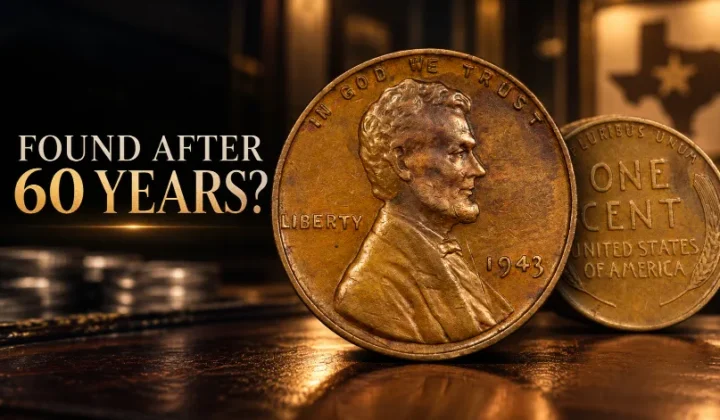
The result is the 1982-D Small Date Lincoln cent struck on a bronze planchet, heavier than its zinc core siblings at roughly 3.1 grams against the expected 2.5 grams, and one of the most valuable error coins in all of modern American numismatics. The weight differential is the single most useful diagnostic, which means anyone with a small date 1982-D and a sensitive scale has a meaningful reason to check.
The benchmark sale came in 2019, when Heritage Auctions sold an example graded AU58 by NGC for $10,800, a result that has only sharpened collector attention to the small date Denver coins still circulating in pocket change.

What 1982 Leaves the Variety Collector
The 1982 cent variety list is short, but it is not thin. The large date copper DDO is approachable; the small date zinc DDR is worth real money when found; and the small date copper Denver is the kind of coin that turns a coffee jar full of pennies into a lottery ticket. For a year defined by transition, the varieties it leaves behind are surprisingly worth the search.