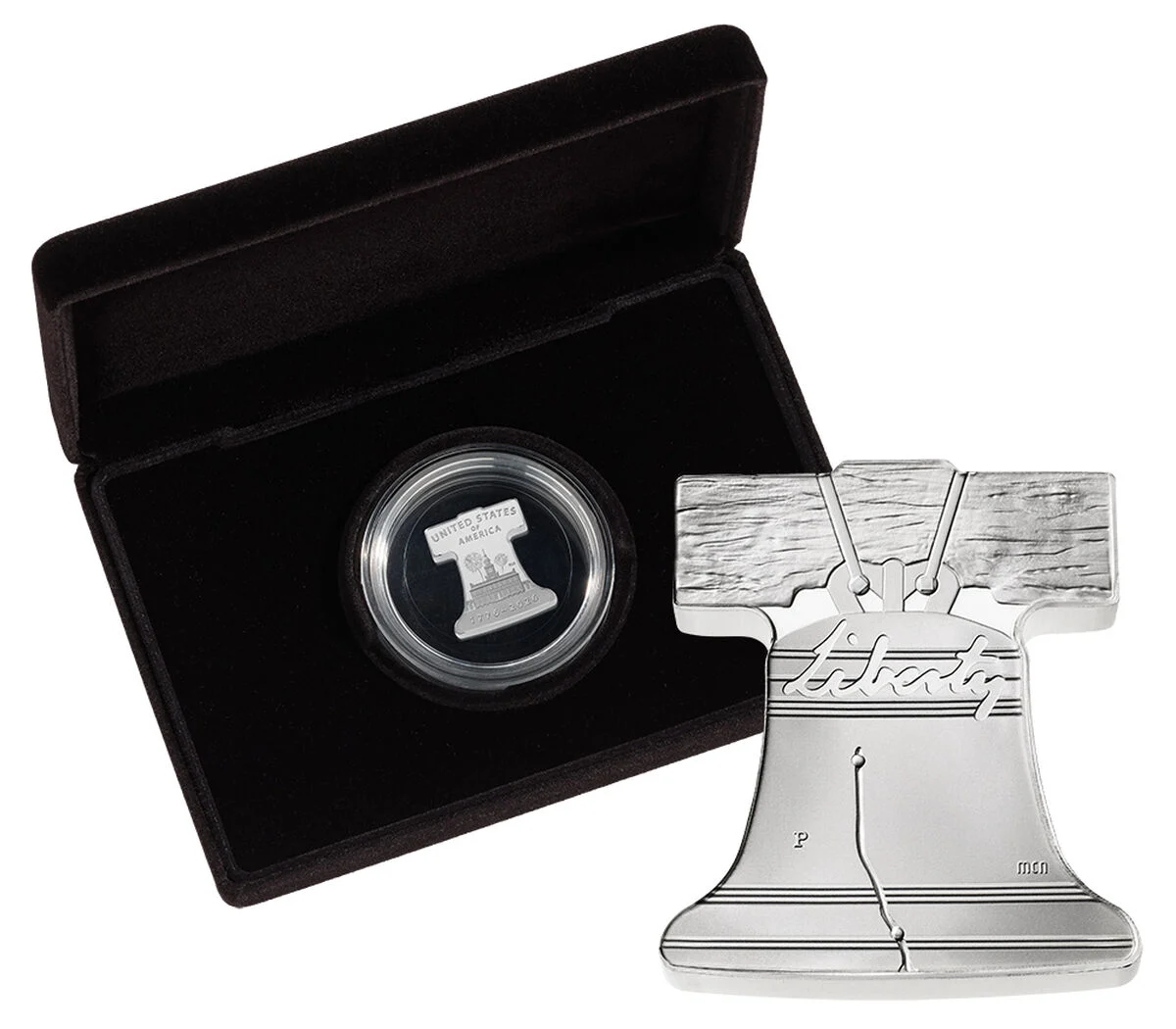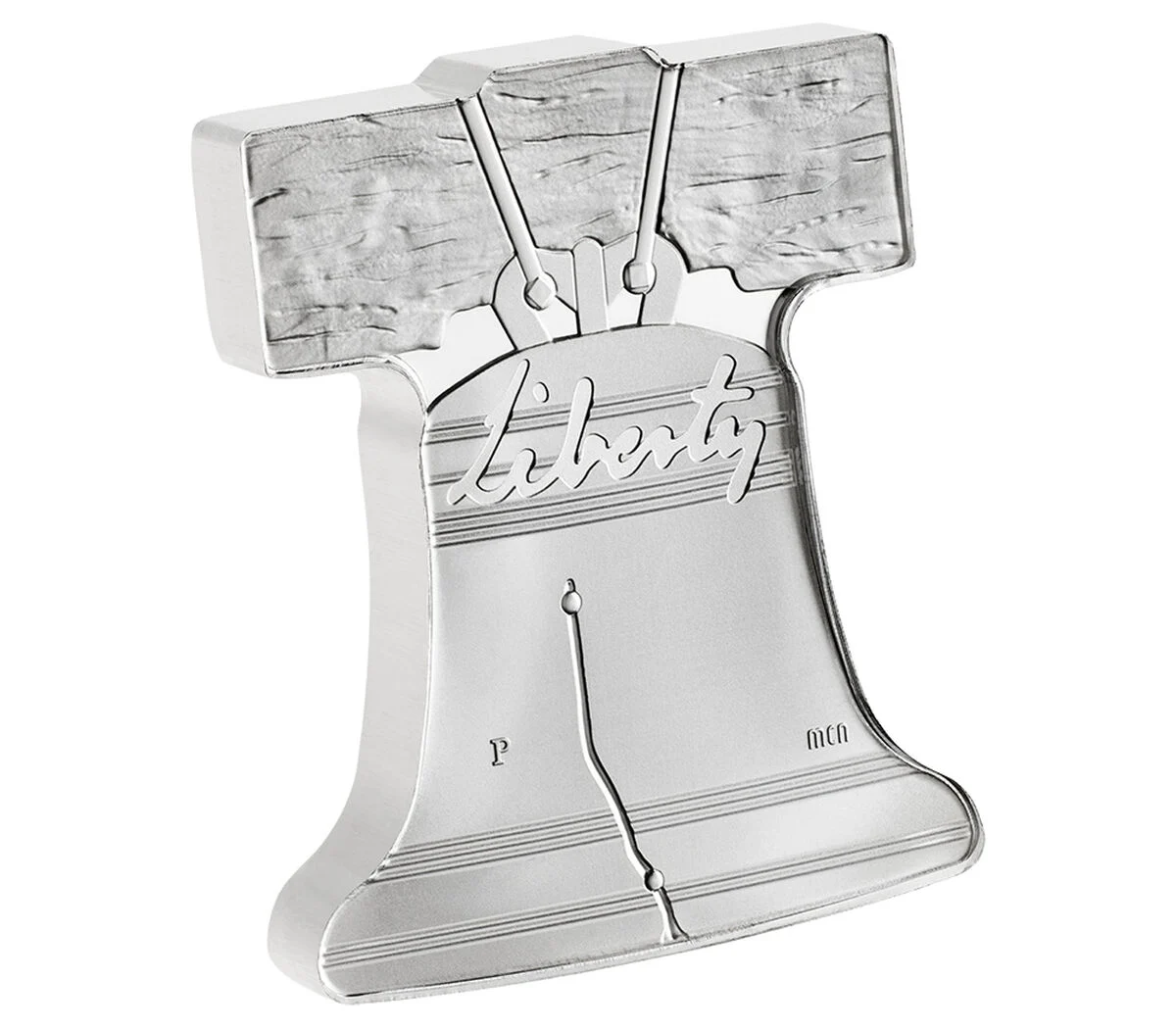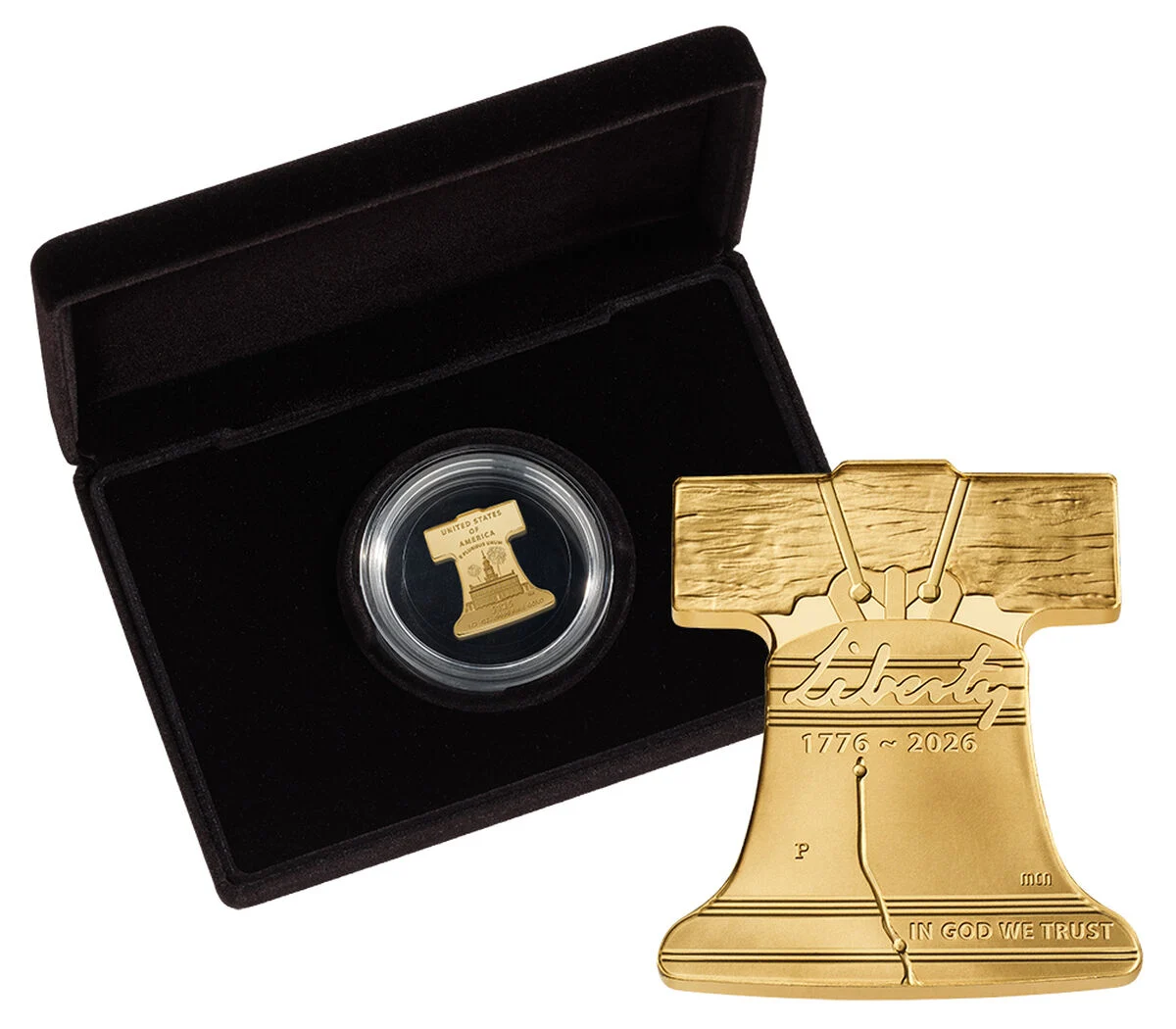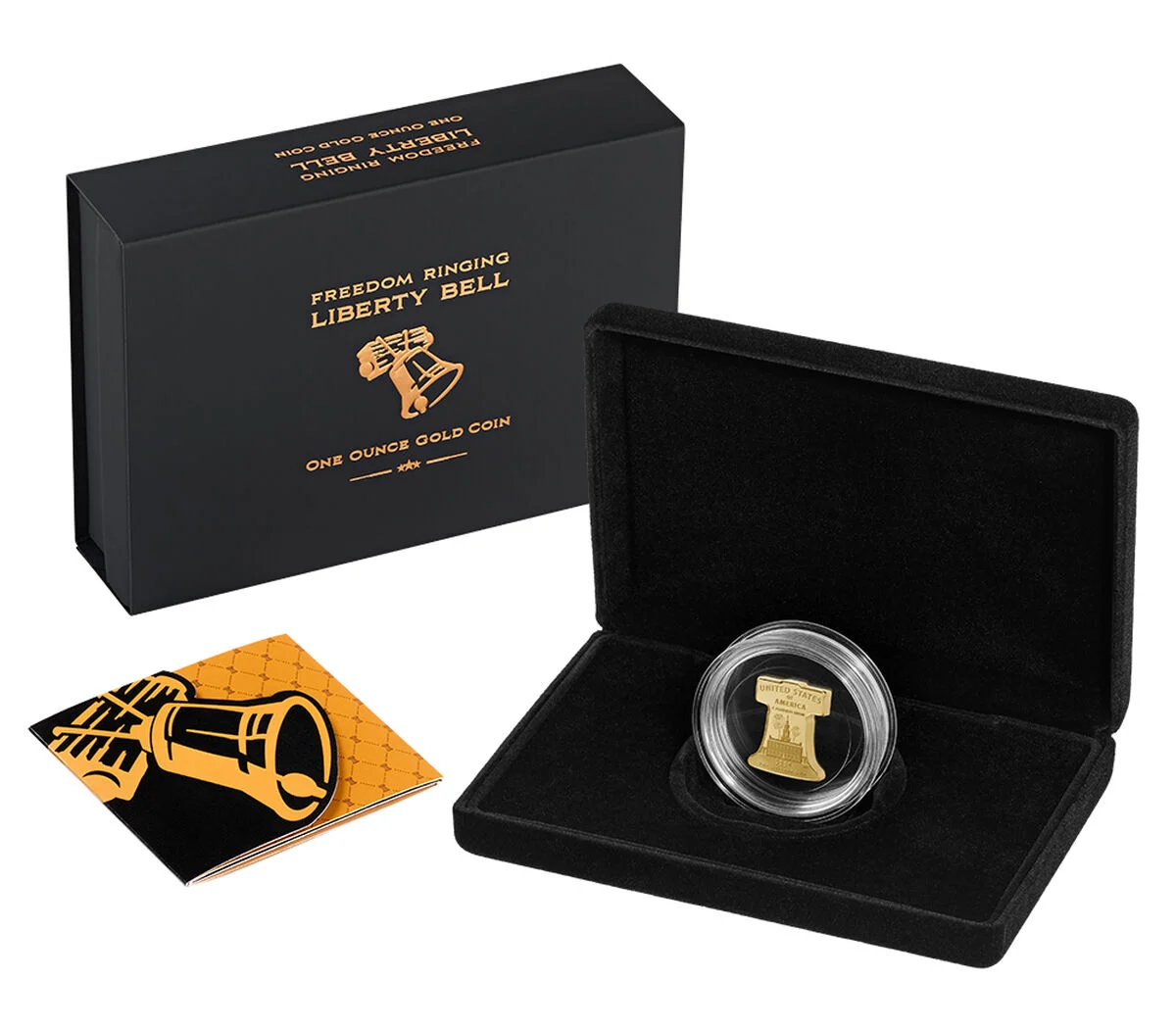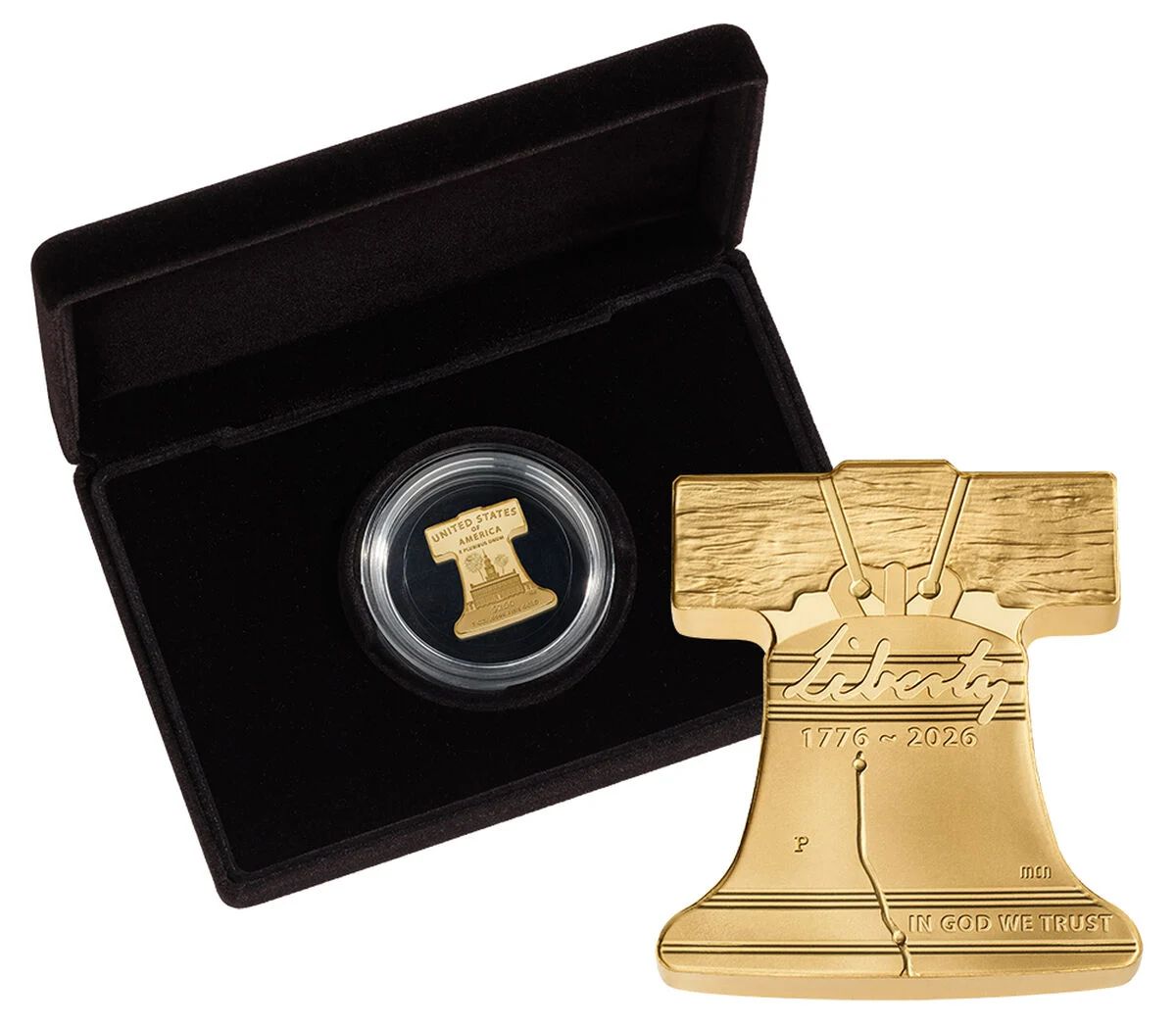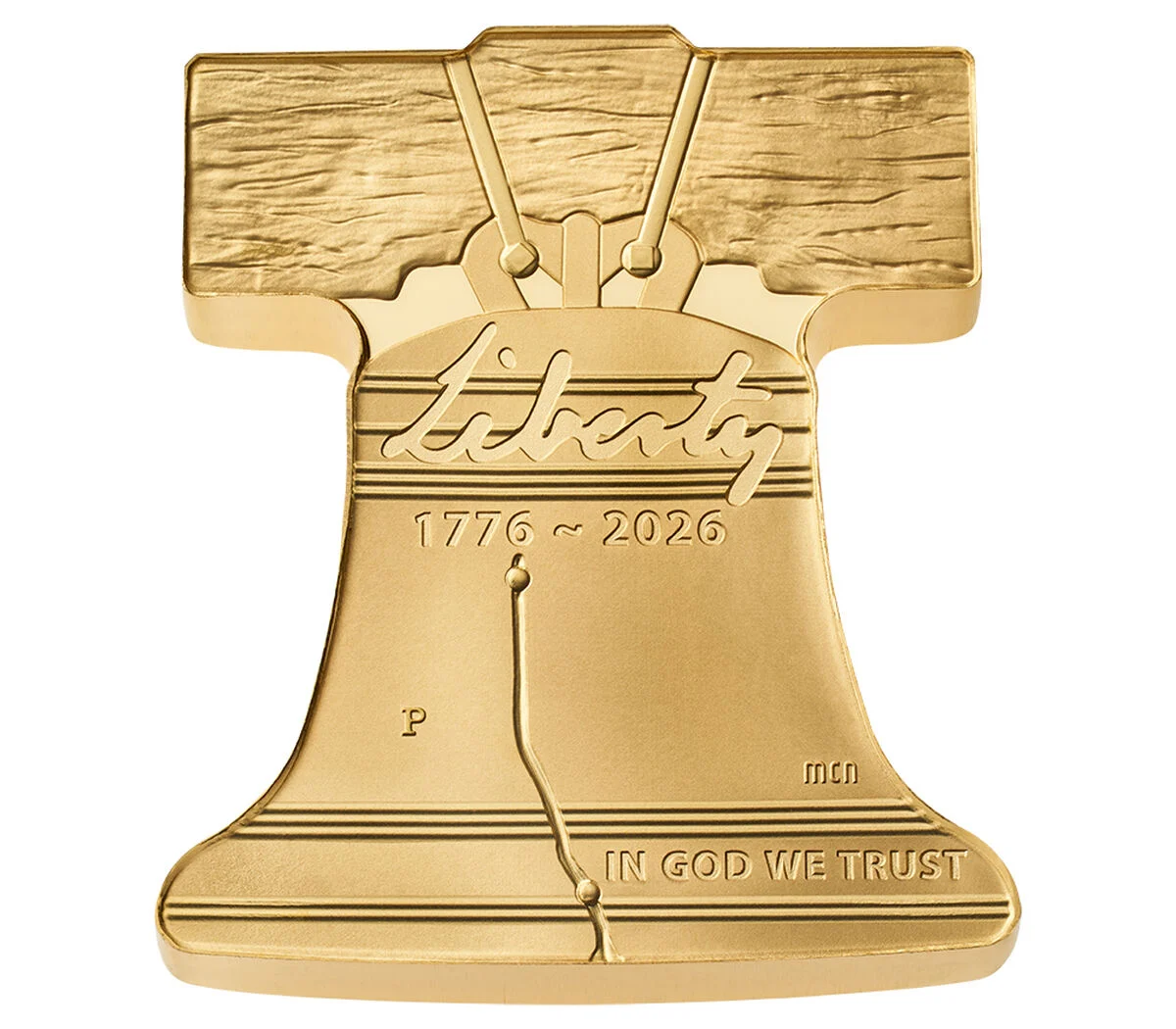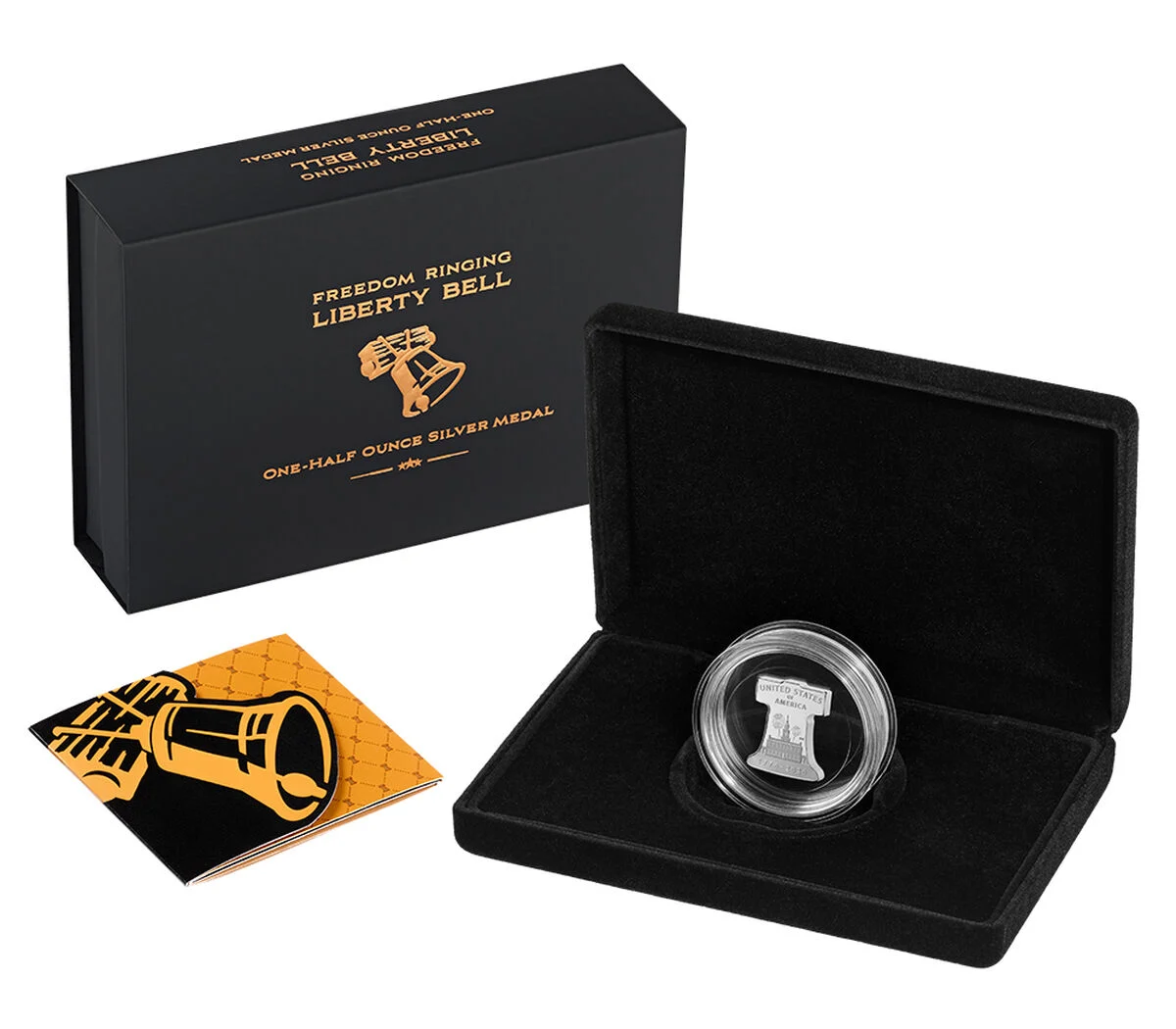
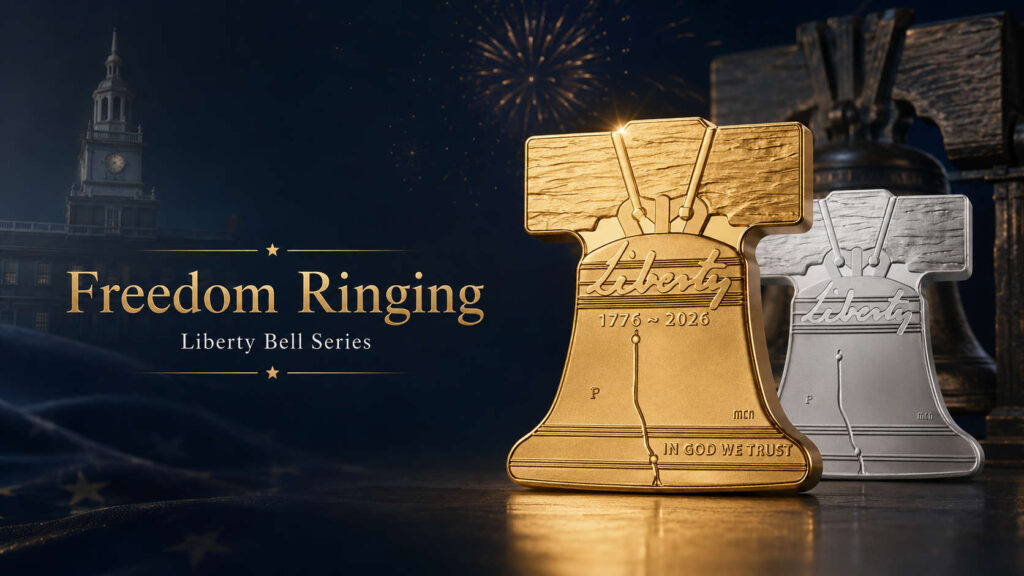
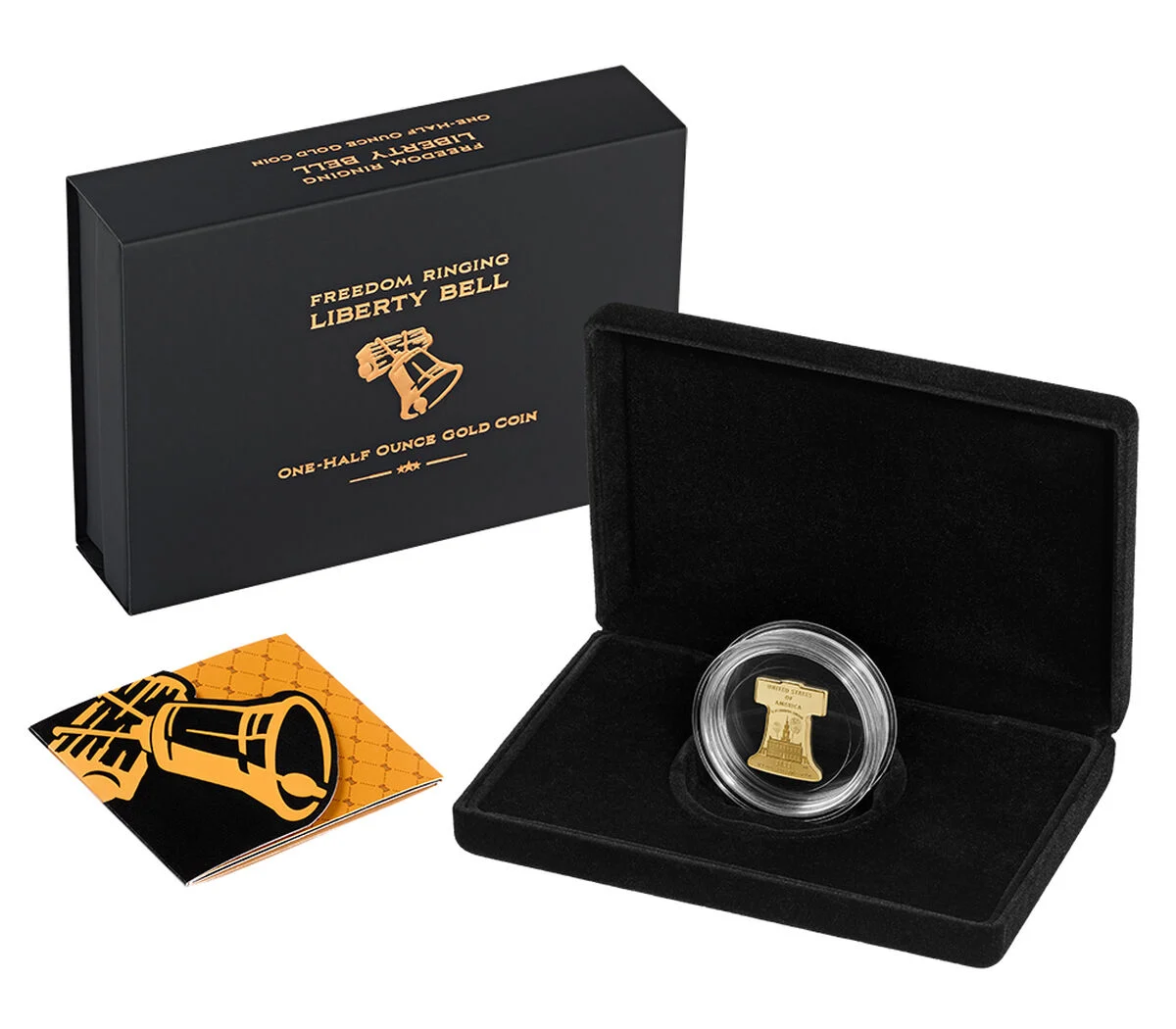
For the first time in recent U.S. history, the United States Mint is striking a coin that isn’t round. On July 16, 2026, at noon Eastern, the Mint opens sales on the Freedom Ringing – Liberty Bell series, a gold coin, a smaller gold coin, and a silver medal, each shaped like the Liberty Bell itself, cracked yoke and all.
It is the centerpiece of the Mint’s semiquincentennial program, and the central fact about it is also the simplest one: the coin is bell shaped because the subject is a bell. After 250 years of circular American coinage, that is a genuinely new sentence to be able to write. The Mint describes the one ounce gold piece as the first non round coin in recent U.S. history, and the qualifier is doing honest work, there is no real precedent in the modern era for a contoured U.S. coin of this kind.
A coin made by hand
The shape is not a gimmick; it is the production story. According to the Mint, the coins were handloaded and pressed individually in the Research and Development Lab of the Philadelphia Mint, rather than on a standard production line. That detail explains everything downstream, the modest output, the price, and the way the series is being released.
Each of the three issues is capped at a mintage of 2,026 pieces, with a product limit to match and a household order limit of one. The number is not an accident; it mirrors the anniversary year, and it also reflects how slowly a non round proof can be coaxed out of a press one strike at a time. This is a coin whose scarcity is a function of its method, not a marketing decision layered on afterward.
The designs
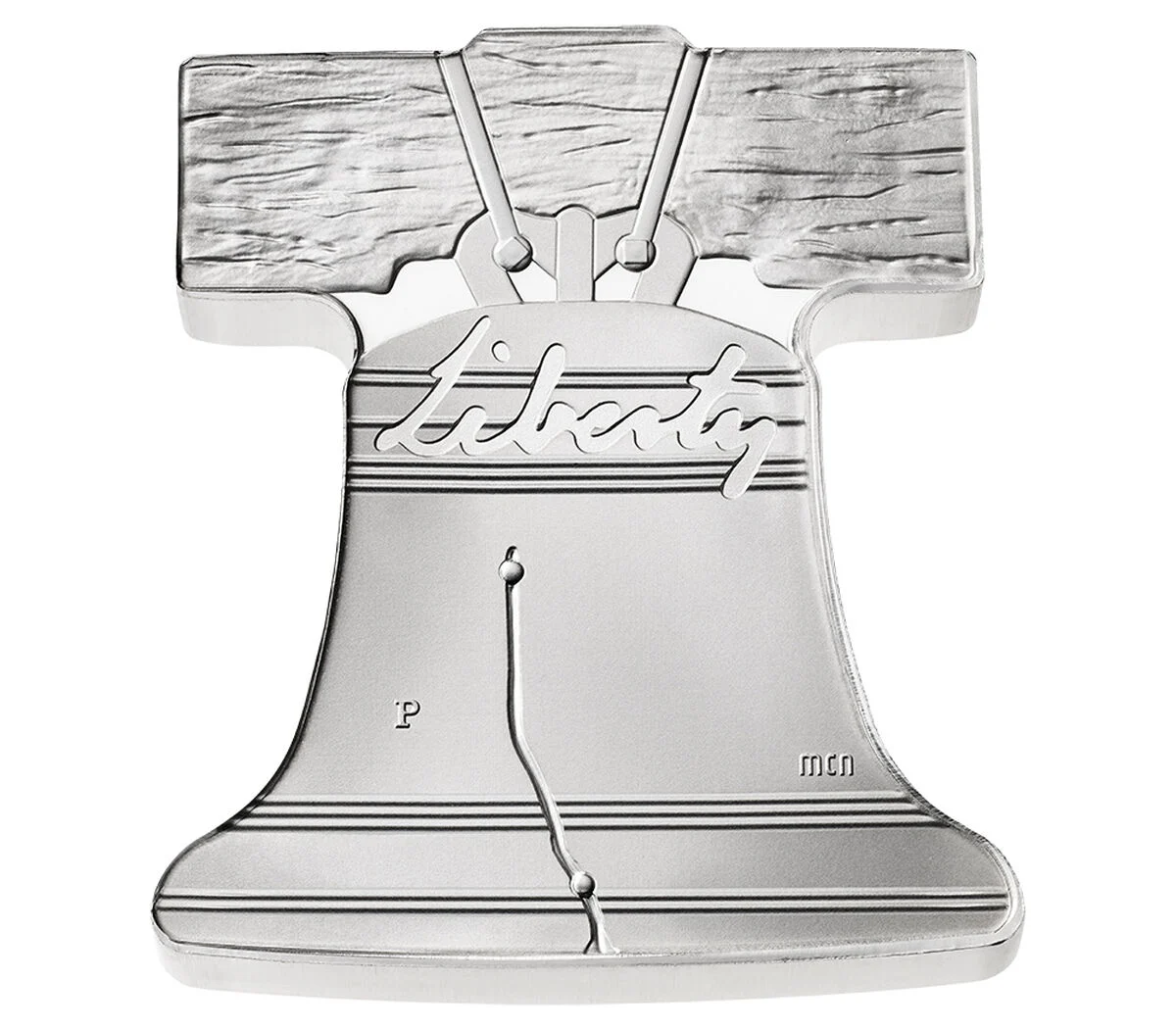
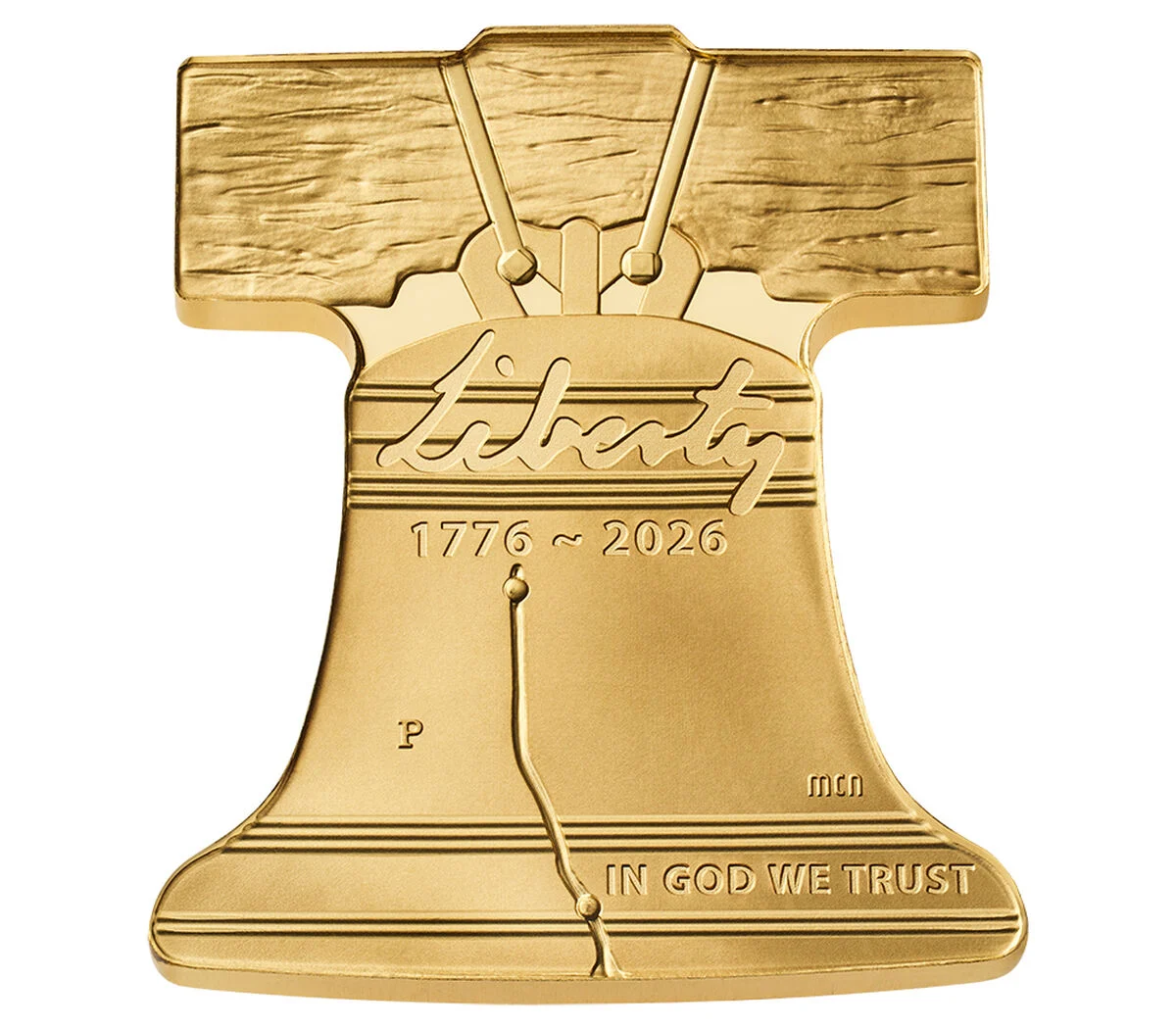
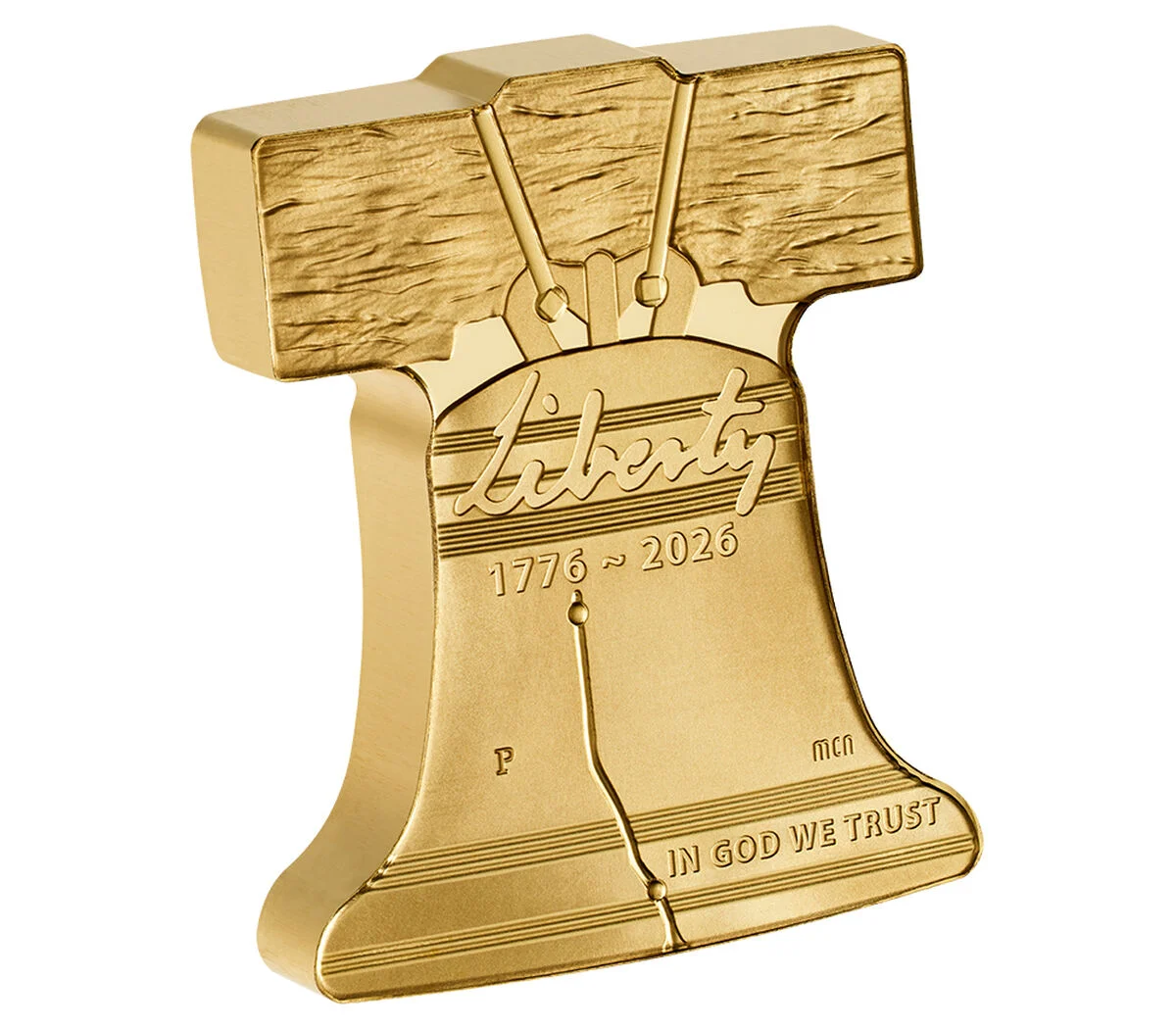
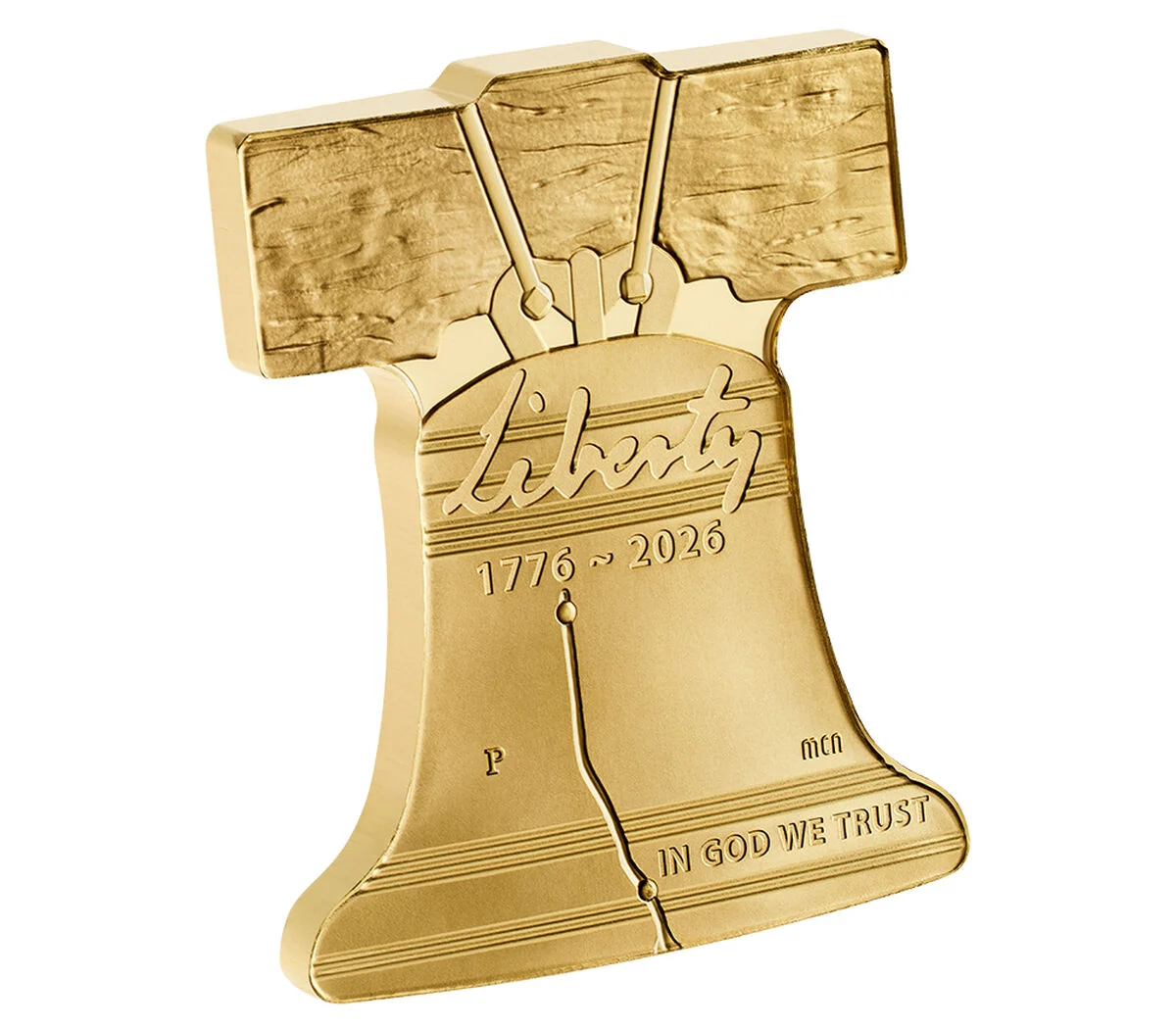
The obverse is the bell. The Liberty Bell appears with its famous crack intact and the word LIBERTY inscribed across the shoulder, framed by the dual dates 1776 ~ 2026 and the inscription IN GOD WE TRUST. The bell’s own motto, “Proclaim Liberty Throughout All the Land Unto All the Inhabitants Thereof”, supplies the thematic spine the Mint built the series around.
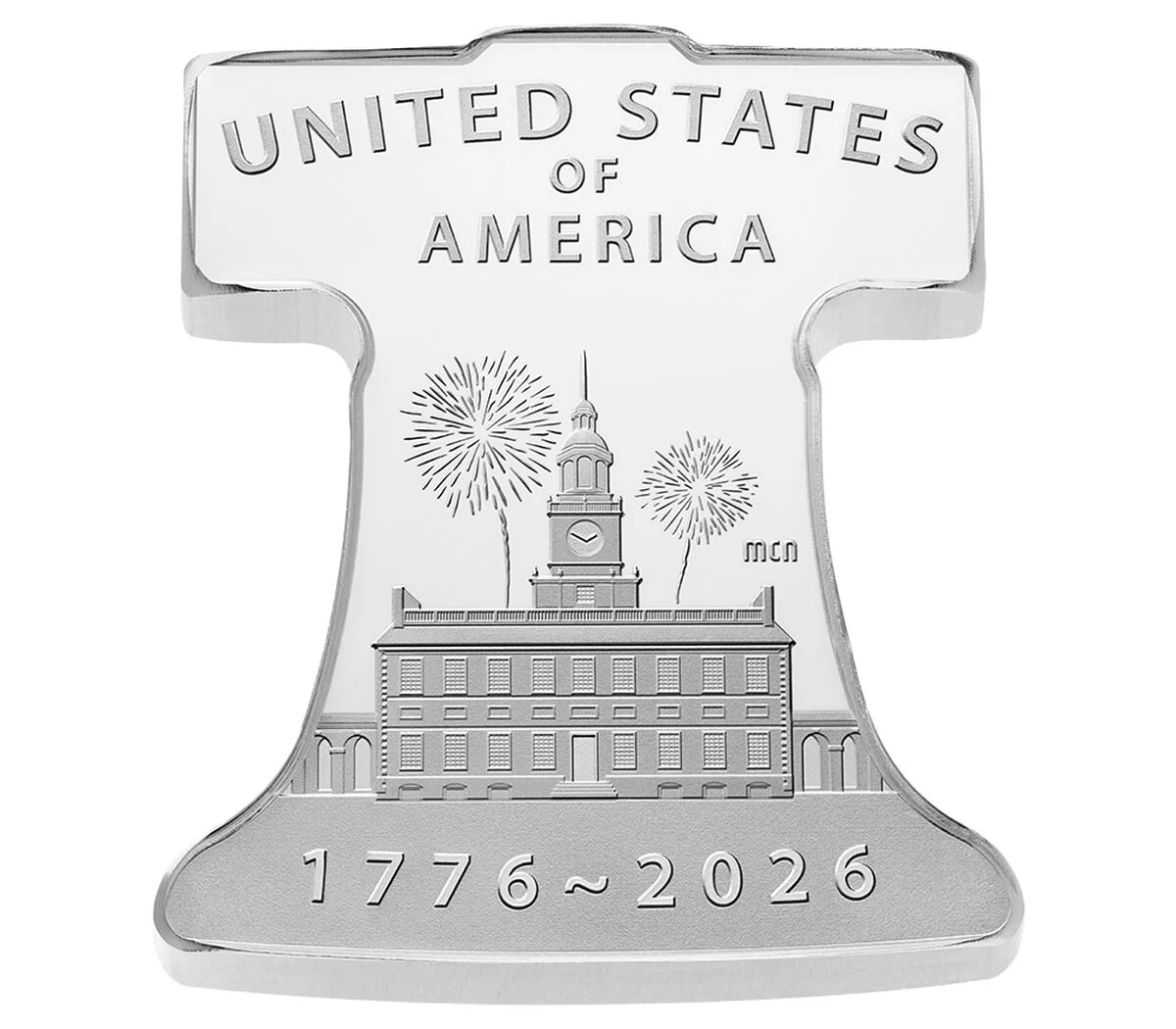
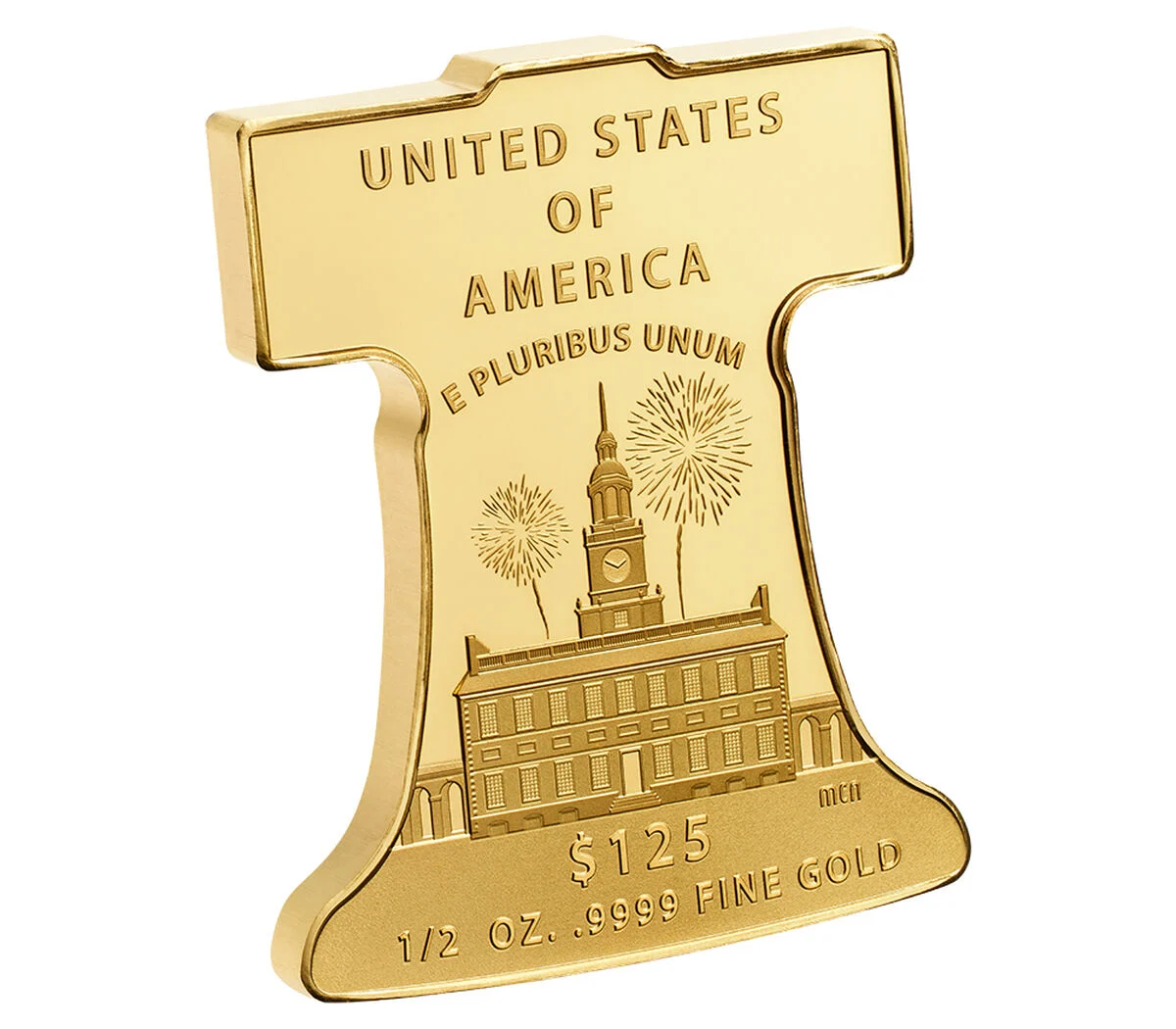
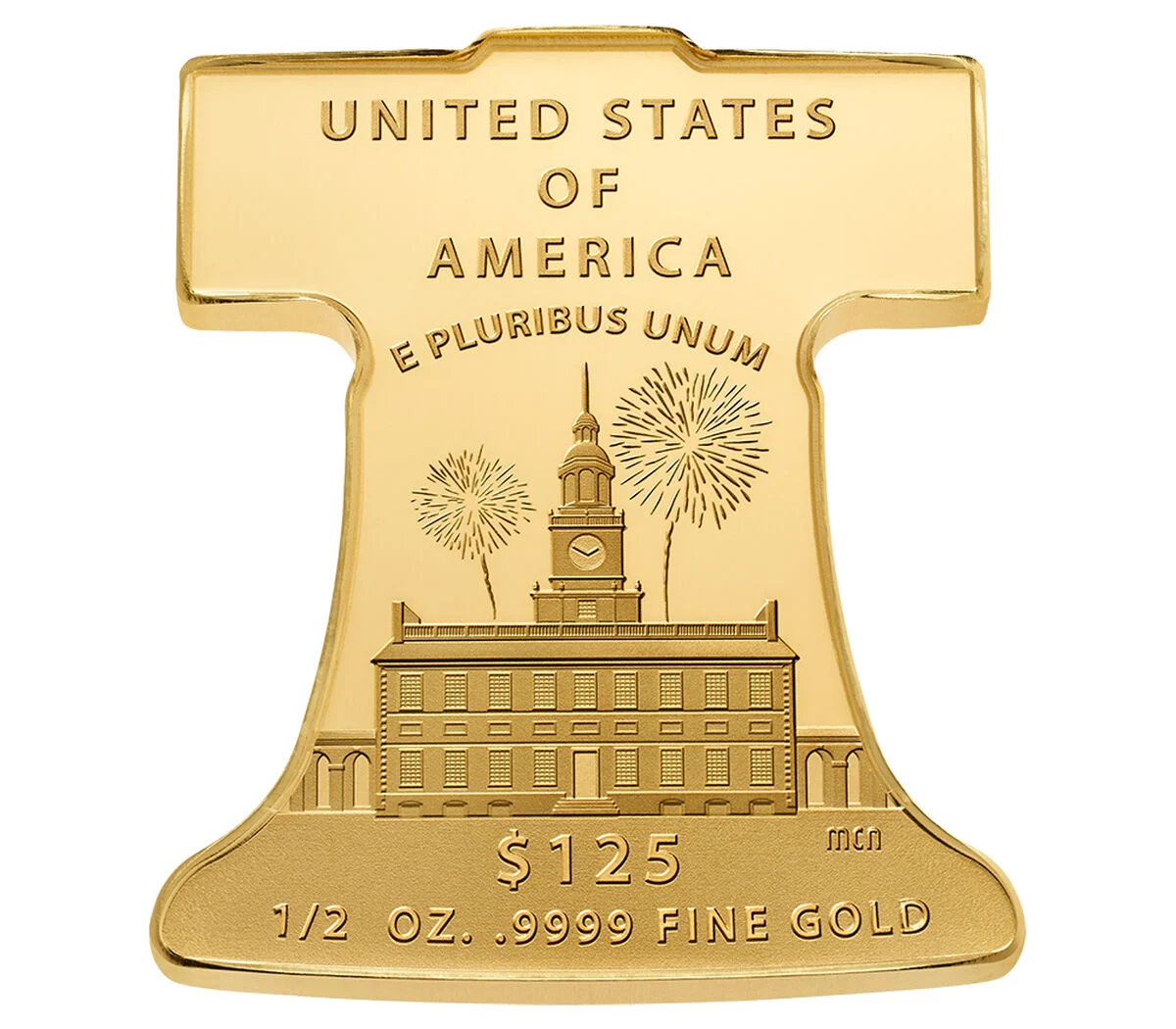
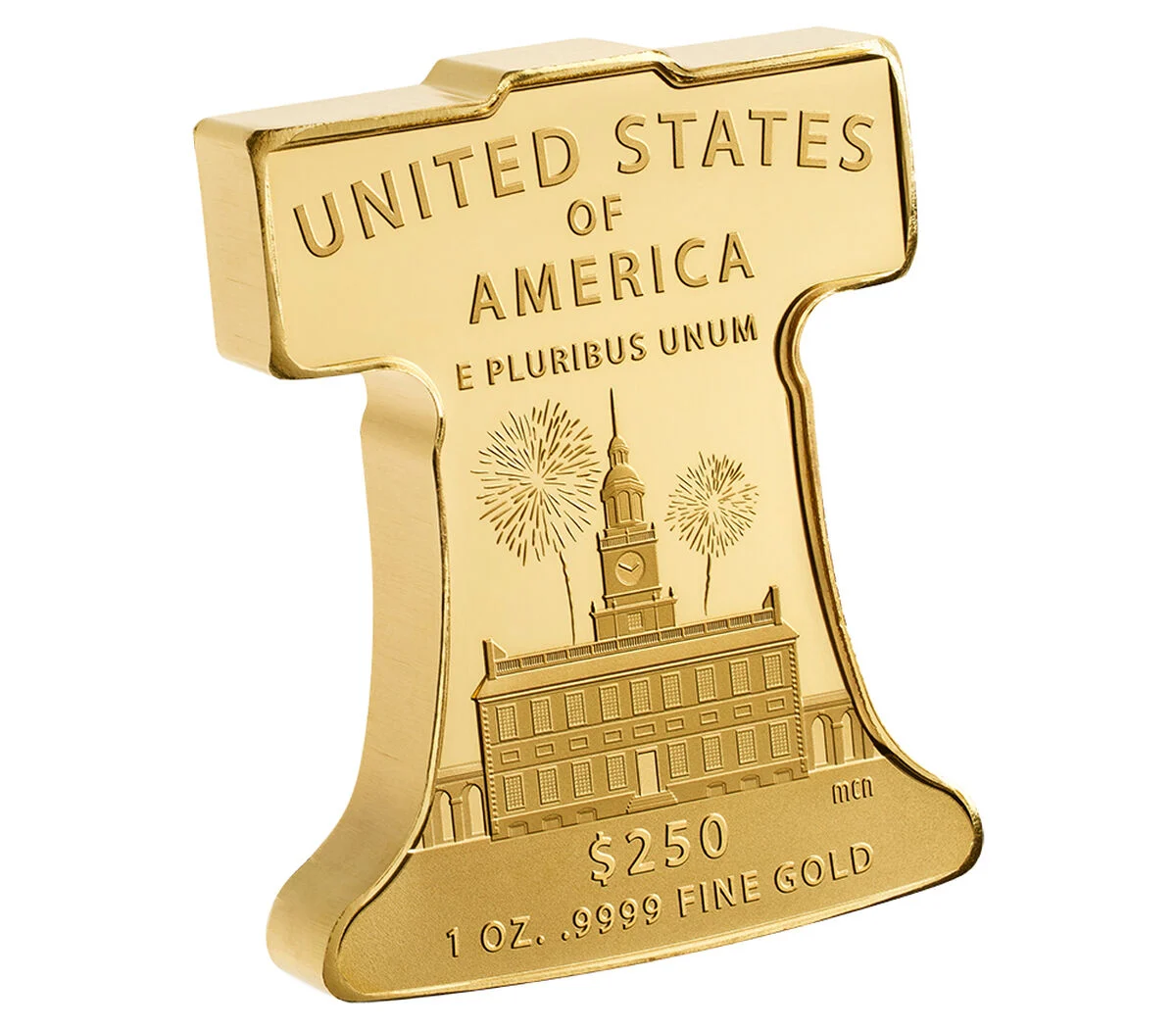
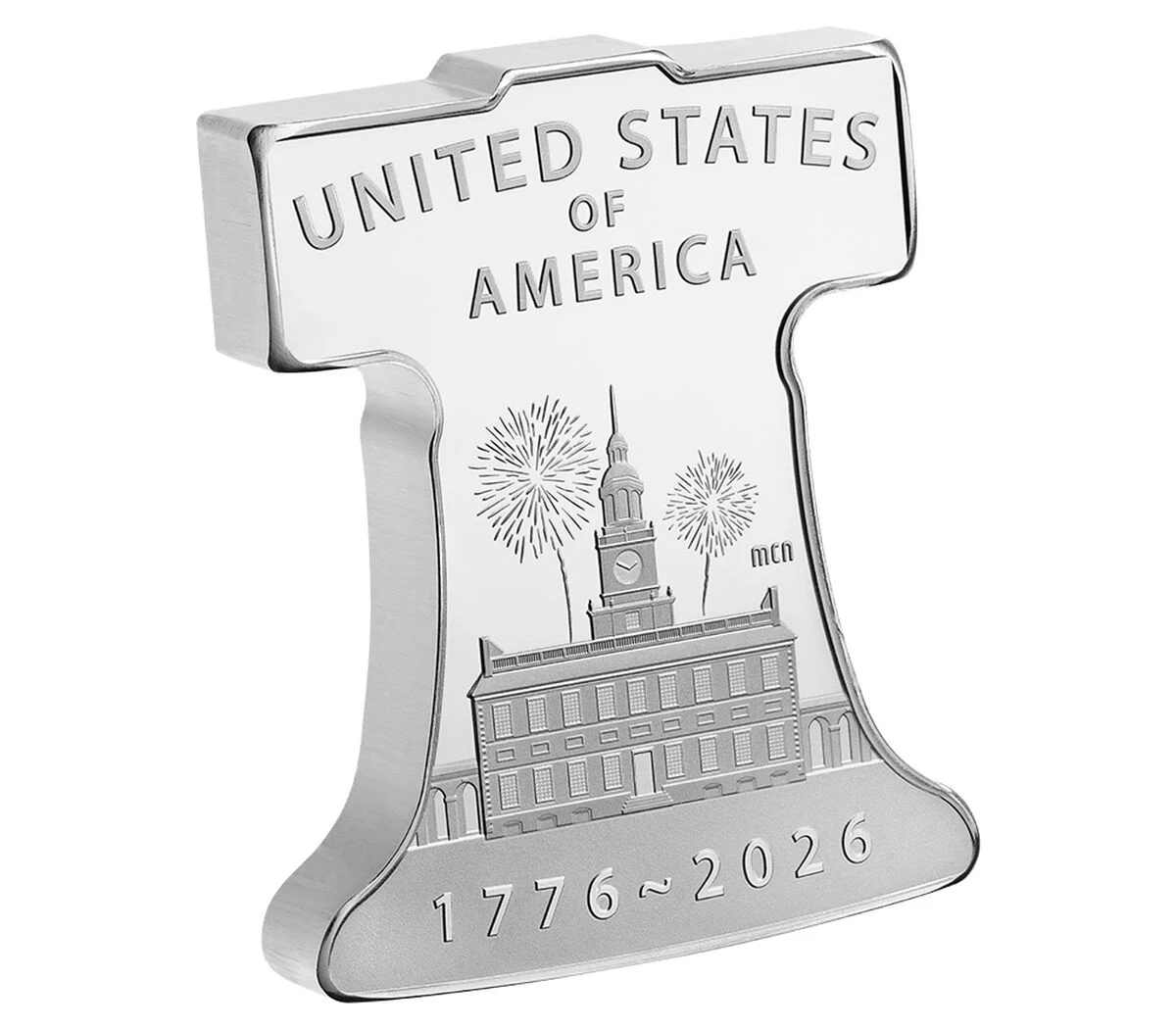
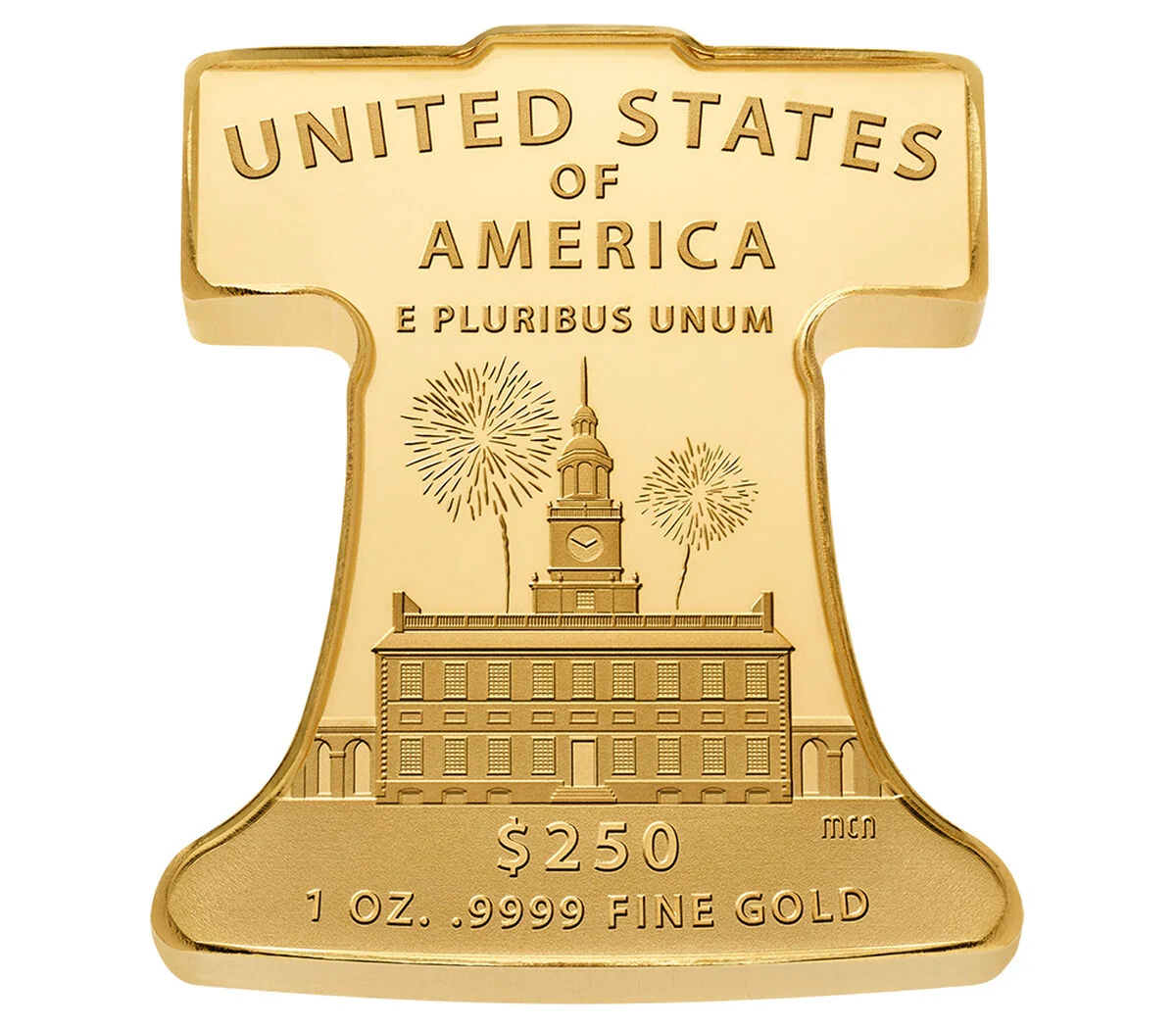
The reverse turns the bell over to reveal Independence Hall, the bell’s original home, with celebratory fireworks behind it. The yoke carries UNITED STATES OF AMERICA with E PLURIBUS UNUM beneath, and the sound bow, the thick lower rim of a real bell, does the work a coin’s edge normally would, carrying the denomination, weight, and fineness.
Three ways to own it
The series splits into two gold coins and one silver medal, all struck in proof at Philadelphia.
The One Ounce Gold Coin (item 26LB) is the flagship: a full troy ounce of 99.99% gold, 0.167 inch thick and roughly 0.888 by 1.024 inches across, with a sound bow reading “$250,” “1 OZ.,” and “.9999 FINE GOLD.” It is priced at $19,600. That $250 face value, sitting beside a near $20,000 price tag, is the usual signal that this is a numismatic object first and a piece of legal tender second.
The One Half Ounce Gold Coin (item 26LC) is the same design scaled down to a half ounce of 99.99% gold, 0.104 inch thick, with a sound bow reading “$125,” “1/2 OZ.,” and “.9999 FINE GOLD.” It is priced at $10,050.
The One Half Ounce Silver Medal (item 26LD) carries the identical bell shape and imagery in 99.9% silver, half a troy ounce, at $750. The distinction worth flagging for collectors is in the name: it is a medal, not a coin, and so it carries no denomination and no legal tender status, the affordable entry point into the design for anyone not buying gold by the ounce.
What happens next
All three go on sale together on July 16, 2026, at noon Eastern, each held to 2,026 pieces and one per household. With output limited by a hand press process rather than by policy alone, the gold coins in particular are the kind of release that tends to disappear quickly and resurface only on the secondary market.
What the Mint has actually done here is let the object dictate the format, and in doing so, ended a very long run of round American coinage with the one subject that could justify breaking it. Whether the Freedom Ringing series becomes a one off curiosity or the opening of a wider experiment with shaped coinage, the semiquincentennial will be remembered as the moment the U.S. Mint finally let a coin stop being a circle.