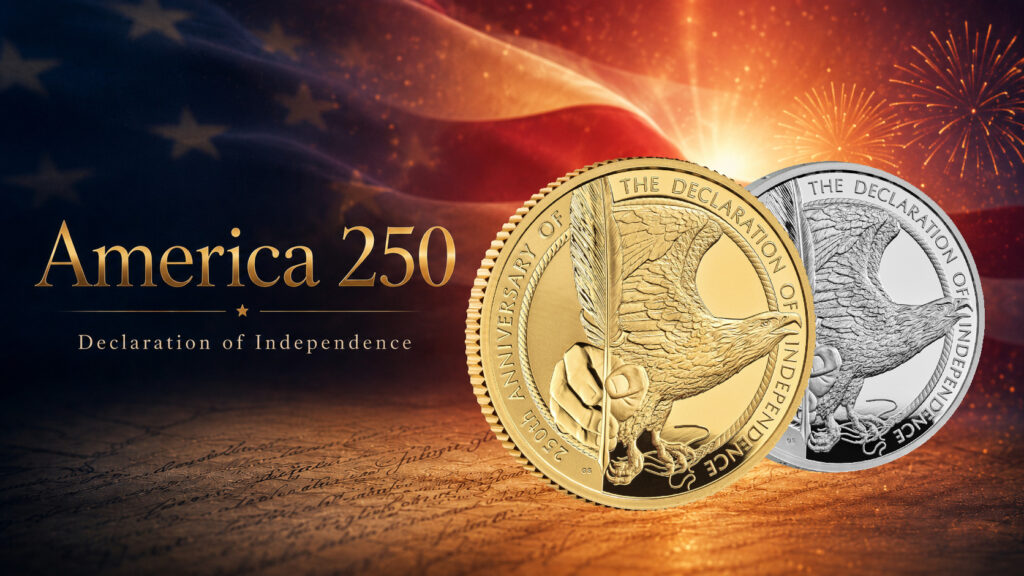
There is a quiet irony in this release that the marketing copy never quite says out loud. To mark 250 years since the American colonies declared themselves free of British rule, the institution that has minted the coinage of the British Crown for more than eleven centuries has issued a commemorative coin. The Royal Mint, the mint of the very crown the Declaration was written against, is celebrating the document that severed the tie.
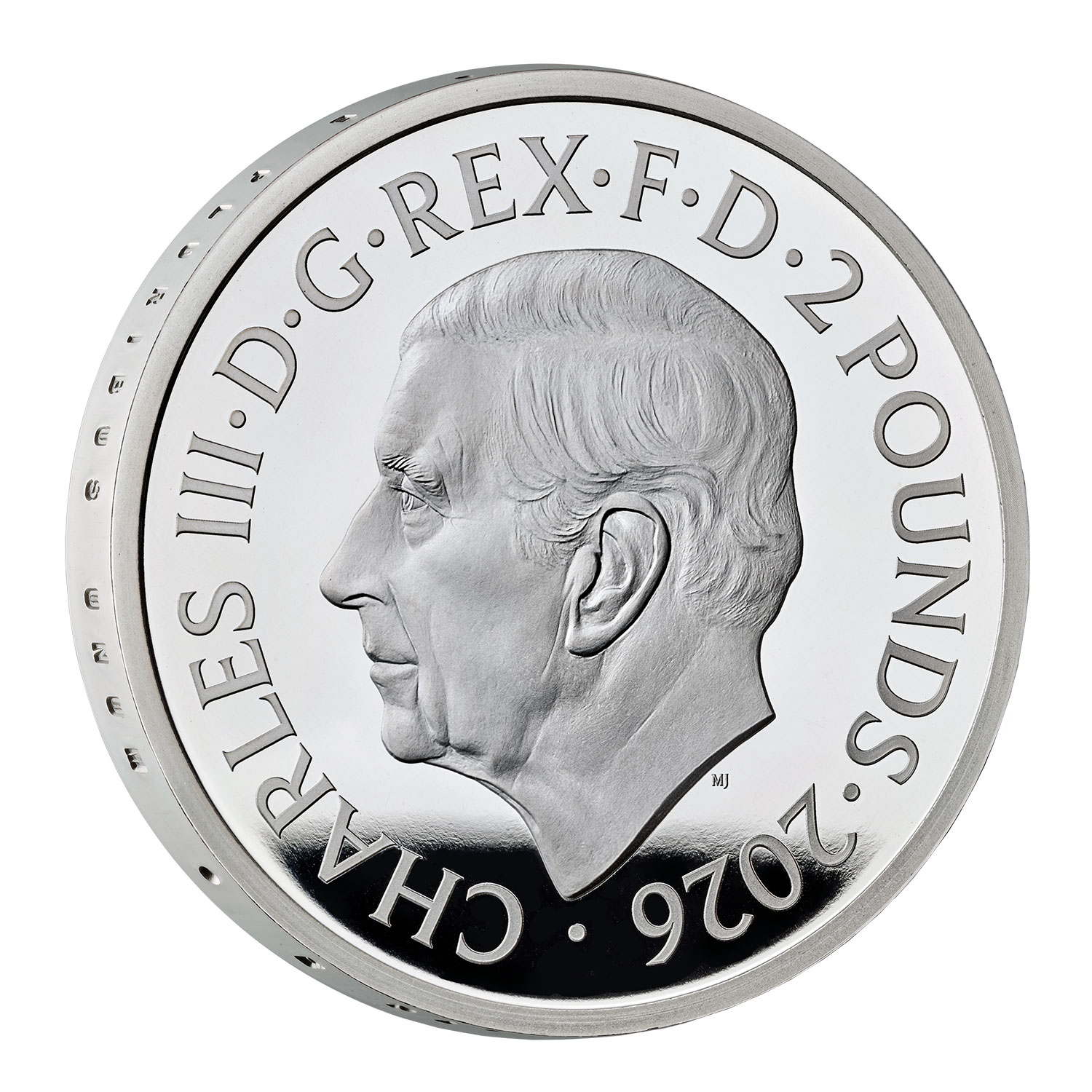
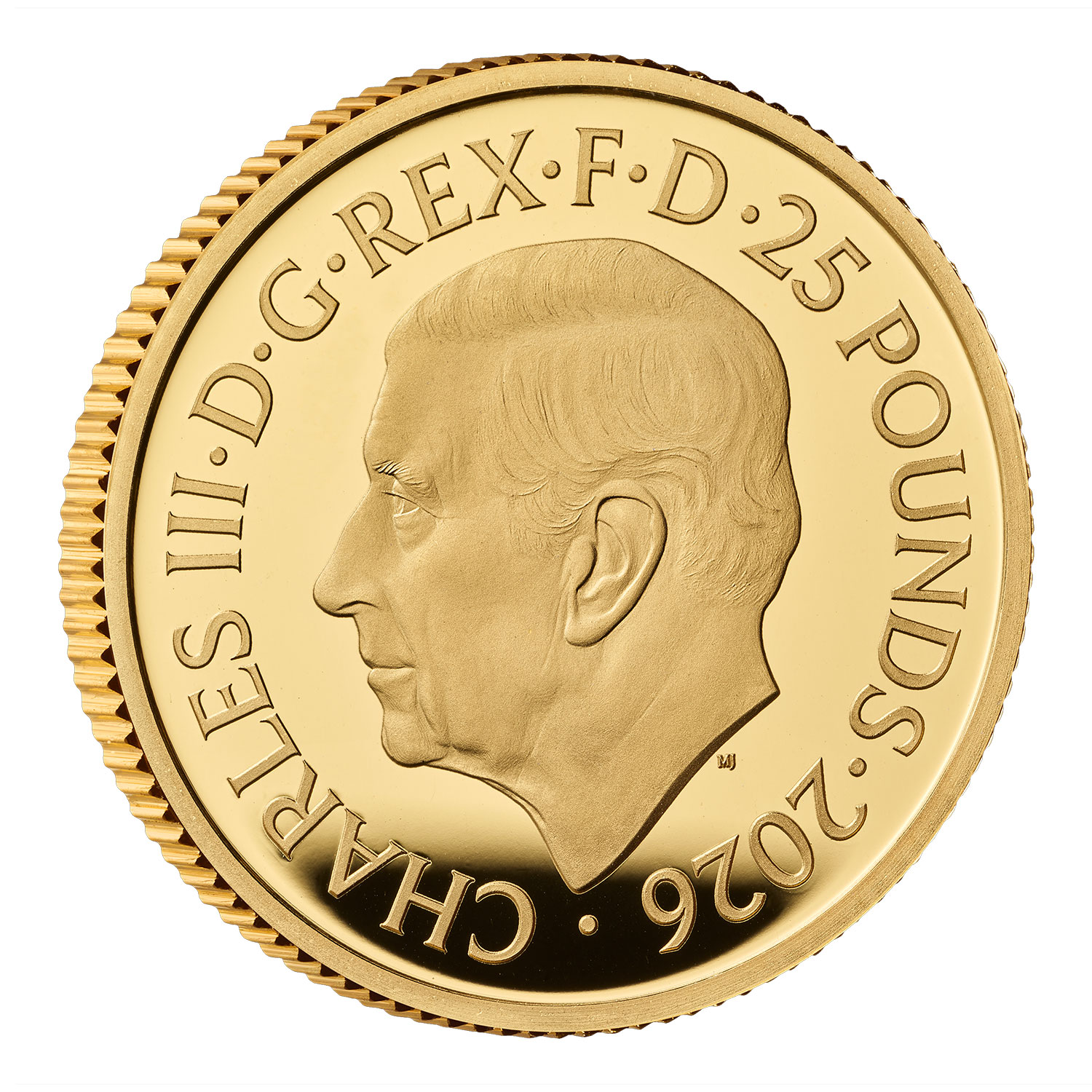
Dated 2026 and titled The 250th Anniversary of the American Declaration of Independence, the new range runs from an accessible one ounce silver proof up to a heavyweight one ounce gold proof of just 250 pieces. The reverse is the work of Gordon Summers, Chief Engraver of The Royal Mint, with the obverse carrying Martin Jennings’ coinage portrait of King Charles III. And the design itself, it turns out, is where the real story lives.
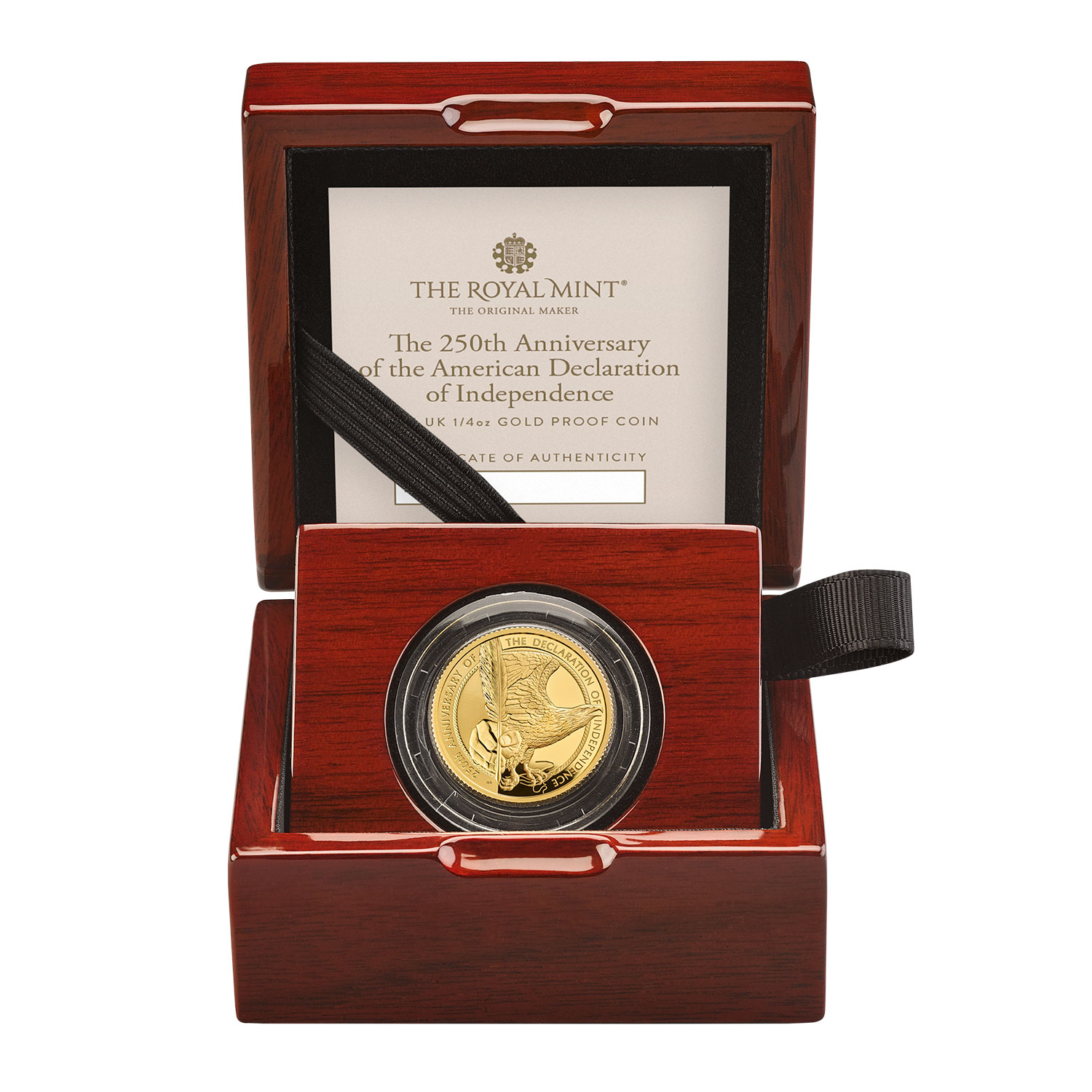
A Quill, an Eagle, and a Message Cut Into the Metal
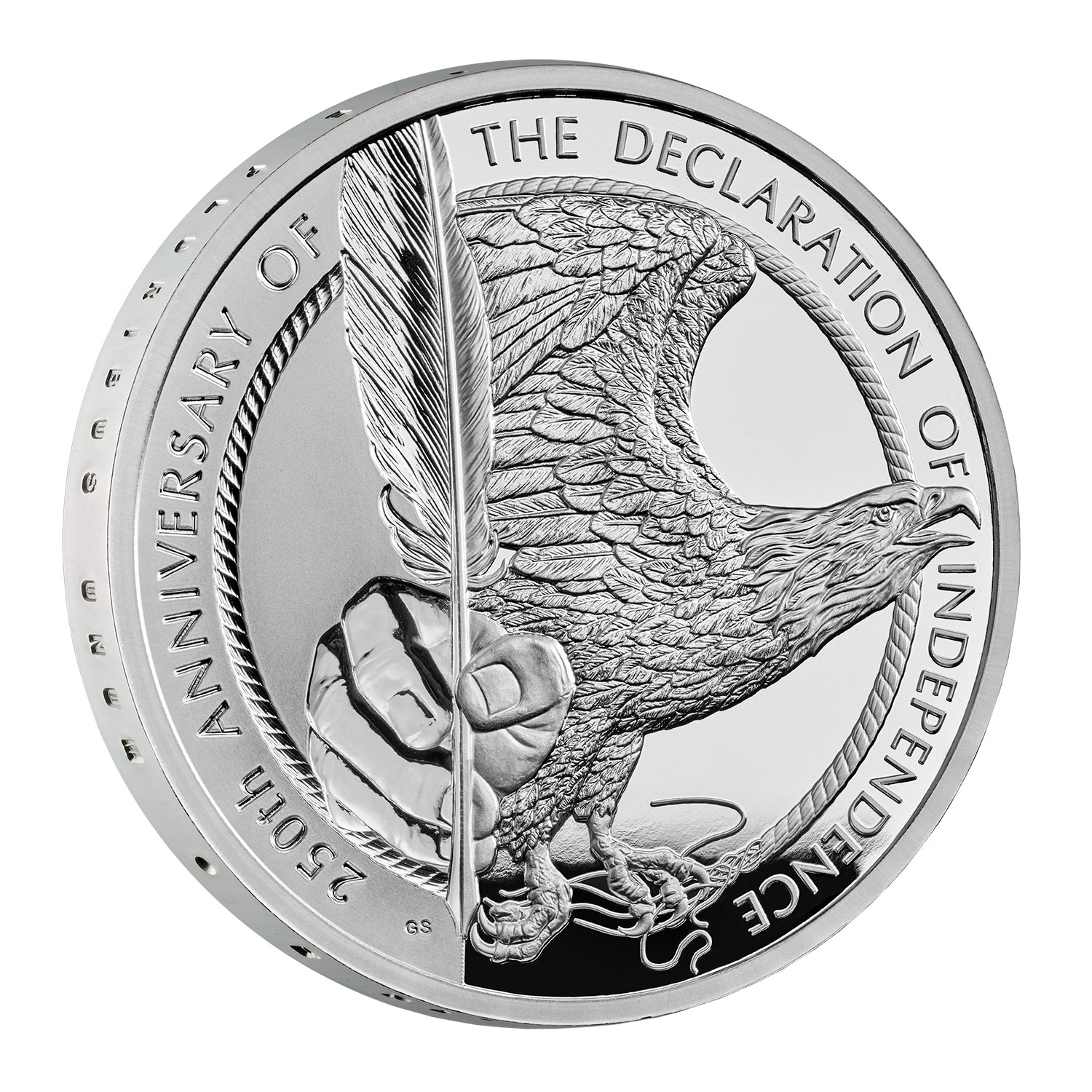
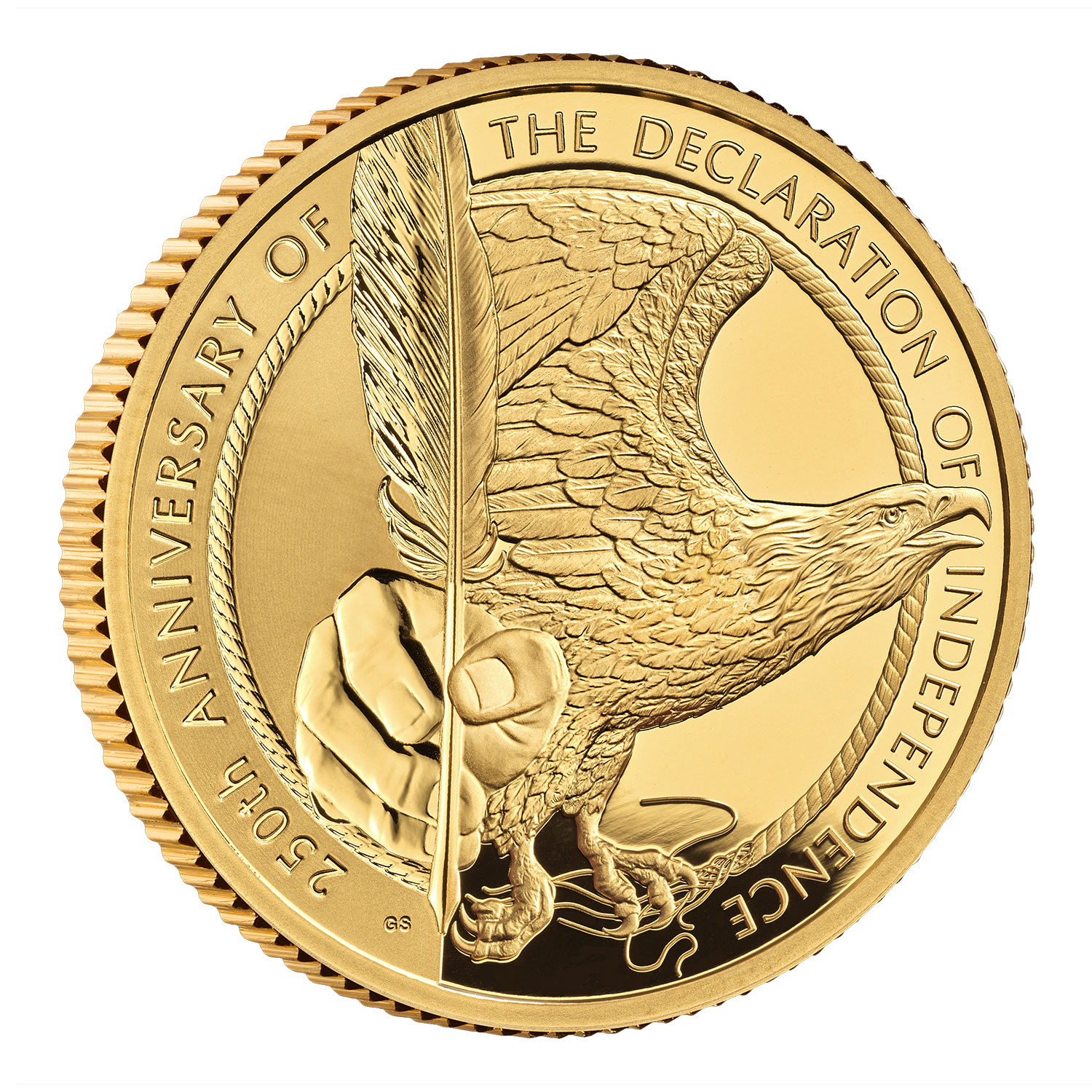
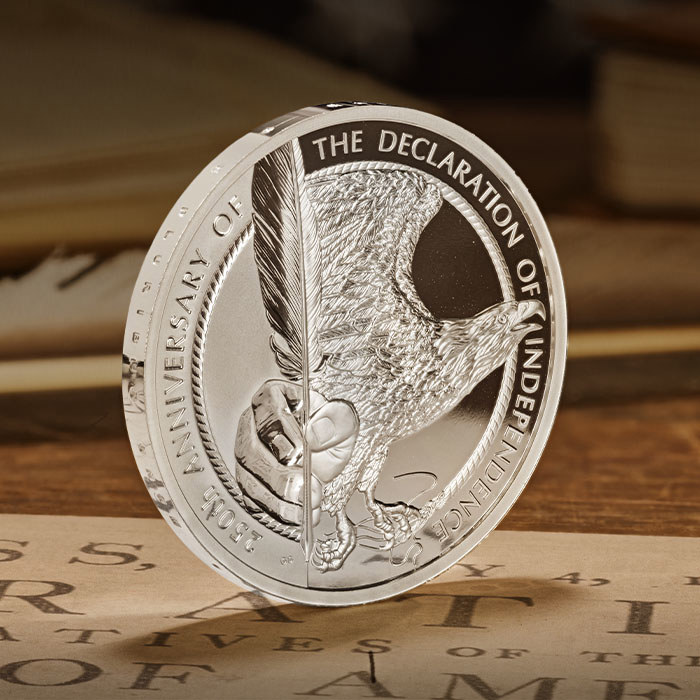
Summers built the reverse around two symbols: a quill and the American eagle. On a glance it reads as straightforward patriotic shorthand, the pen that signed the document, the bird that became the nation. Look closer and the engraving is doing something more deliberate.
The quill is incused, cut down into the surface rather than raised from it, to create a debossed effect the Mint describes as standing for the oppression felt under British rule. The eagle, by contrast, is struck in bold relief, rising off the field to represent the freedoms that followed the signing. One symbol sinks; the other ascends. The technique is the argument: subjection rendered as something pressed into the metal, liberty as something that lifts out of it. Ringing the design are the words 250th ANNIVERSARY OF THE DECLARATION OF INDEPENDENCE.
The American notes don’t stop at the imagery. The silver proof carries E PLURIBUS UNUM as plain incuse edge lettering, the motto of the United States, running around the rim of a coin denominated in pounds sterling and bearing the head of a British king. It is a small thing, easy to miss in the hand. It is also about as direct a statement of the coin’s split personality as a mint can make without comment.
Four Editions, From Entry Silver to Trophy Gold
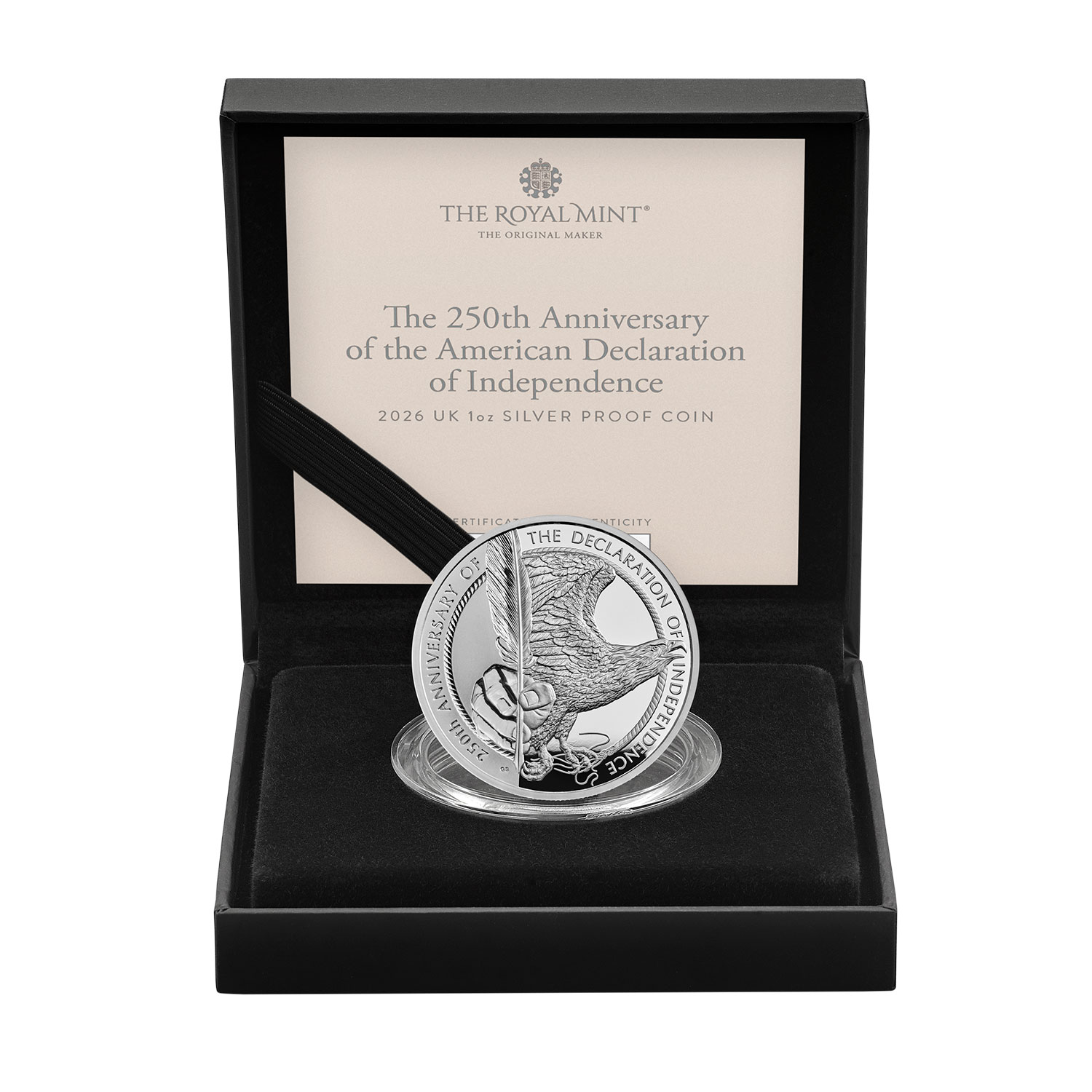
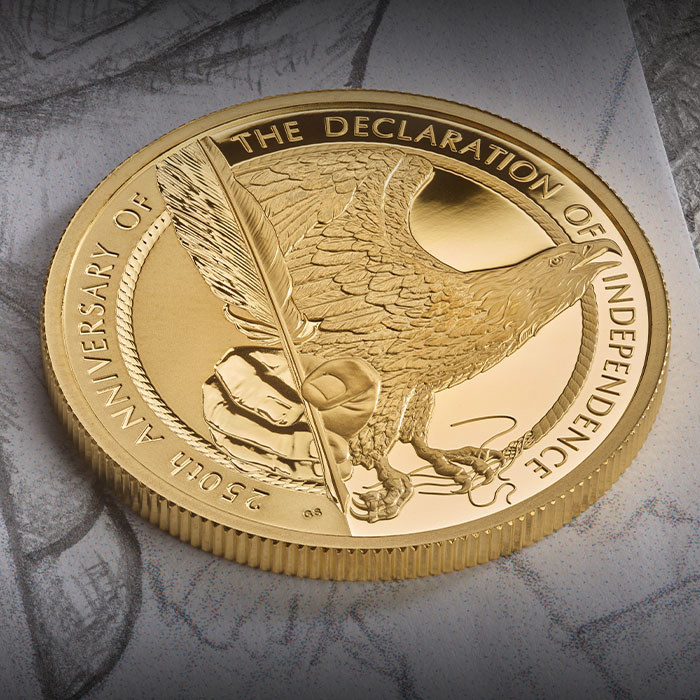
The range is built to span the market rather than chase a single tier. At the accessible end sits the 1oz Silver Proof, a £2 coin in 999 fine silver, 38.61mm across and limited to an edition of 3,500, priced at £157.50. Above it, a 2oz Silver Proof in an edition of 1,000 lists at £315, the piece for collectors who want the design with more presence in the hand.
The gold tier is where the editions tighten. The 1/4oz Gold Proof, a £25 coin in 999.9 fine gold at 22mm and 7.80 grams, is capped at 750 pieces and priced at £1,340. At the top of the range, the 1oz Gold Proof is held to an edition of just 250, the scarcest coin in the series and the one most likely to be the long term collector target, at £5,165. Across all four, the pattern is the familiar one: as the metal gets heavier, the edition gets smaller, and the design that costs £157 in silver becomes a genuinely limited object in gold.
| Edition | Metal | Edition limit | Price |
|---|---|---|---|
| 1oz Silver Proof | 999 fine silver | 3,500 | £157.50 |
| 2oz Silver Proof | Fine silver | 1,000 | £315.00 |
| 1/4oz Gold Proof | 999.9 fine gold | 750 | £1,340.00 |
| 1oz Gold Proof | Fine gold | 250 | £5,165.00 |
Each coin ships with bespoke packaging that walks through the origins of the Declaration and the thinking behind the design, the kind of context that matters more on a foreign themed issue, where the buyer may be drawn by the subject as much as by the metal.
Who This Coin Is Actually For
On paper this is a British coin: pound denominations, the King’s portrait, struck in Llantrisant. In practice its centre of gravity is firmly across the Atlantic, and the 250th anniversary of 1776 will pull American collectors toward it far more than British ones. That cross market appeal, a Royal Mint product aimed squarely at the U.S. semicentennial, is the commercial logic behind the whole release, and it explains the unusually overt American symbolism on a Crown coin.
What gives the series more staying power than the average anniversary issue is that the design has an idea behind it, not just an occasion. A quill pressed into the surface, an eagle lifted out of it, and the motto of one nation circling the rim of another’s coinage, for a piece commemorating the moment two countries became two, that contradiction isn’t a flaw in the concept. It is the concept.