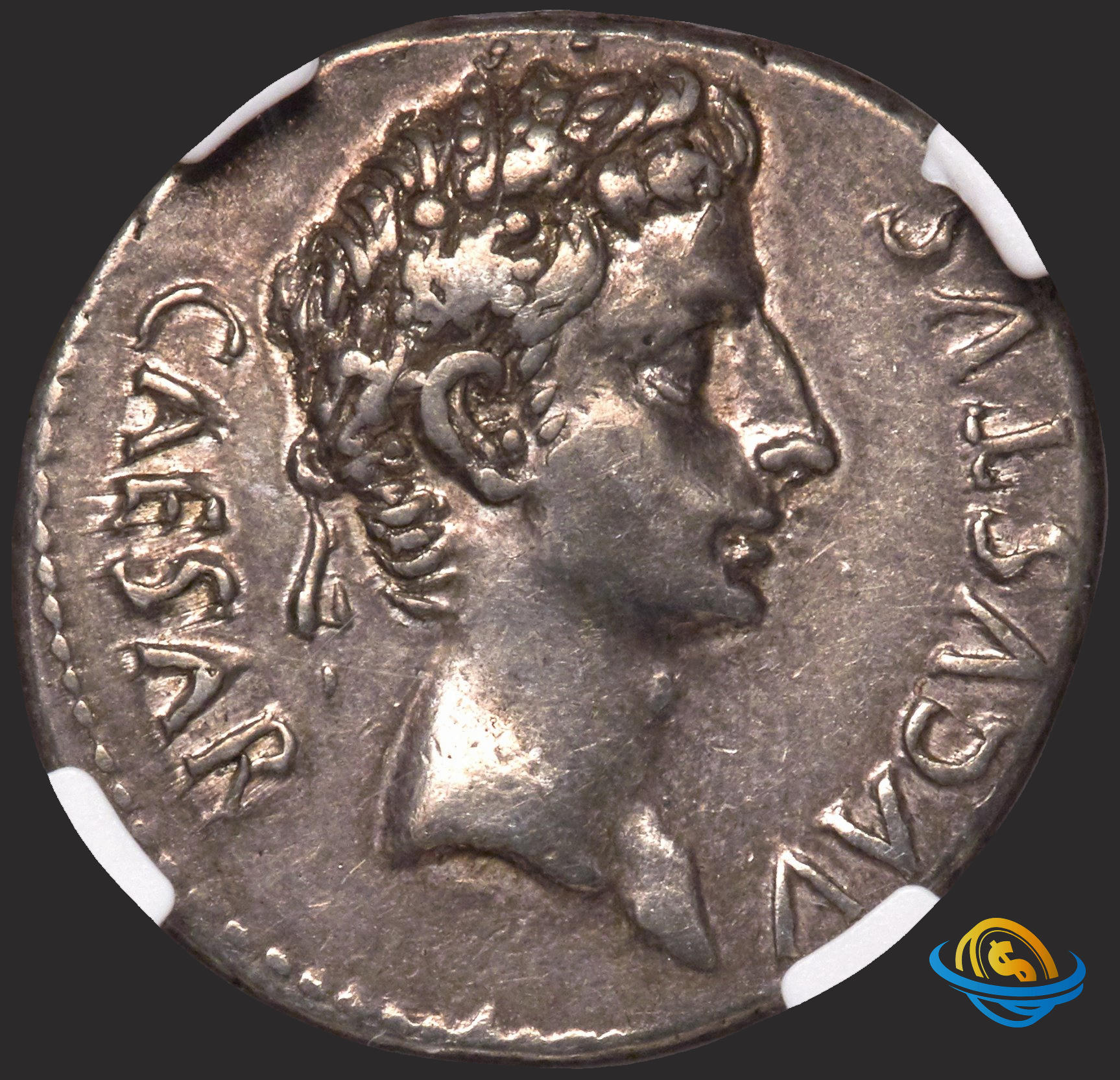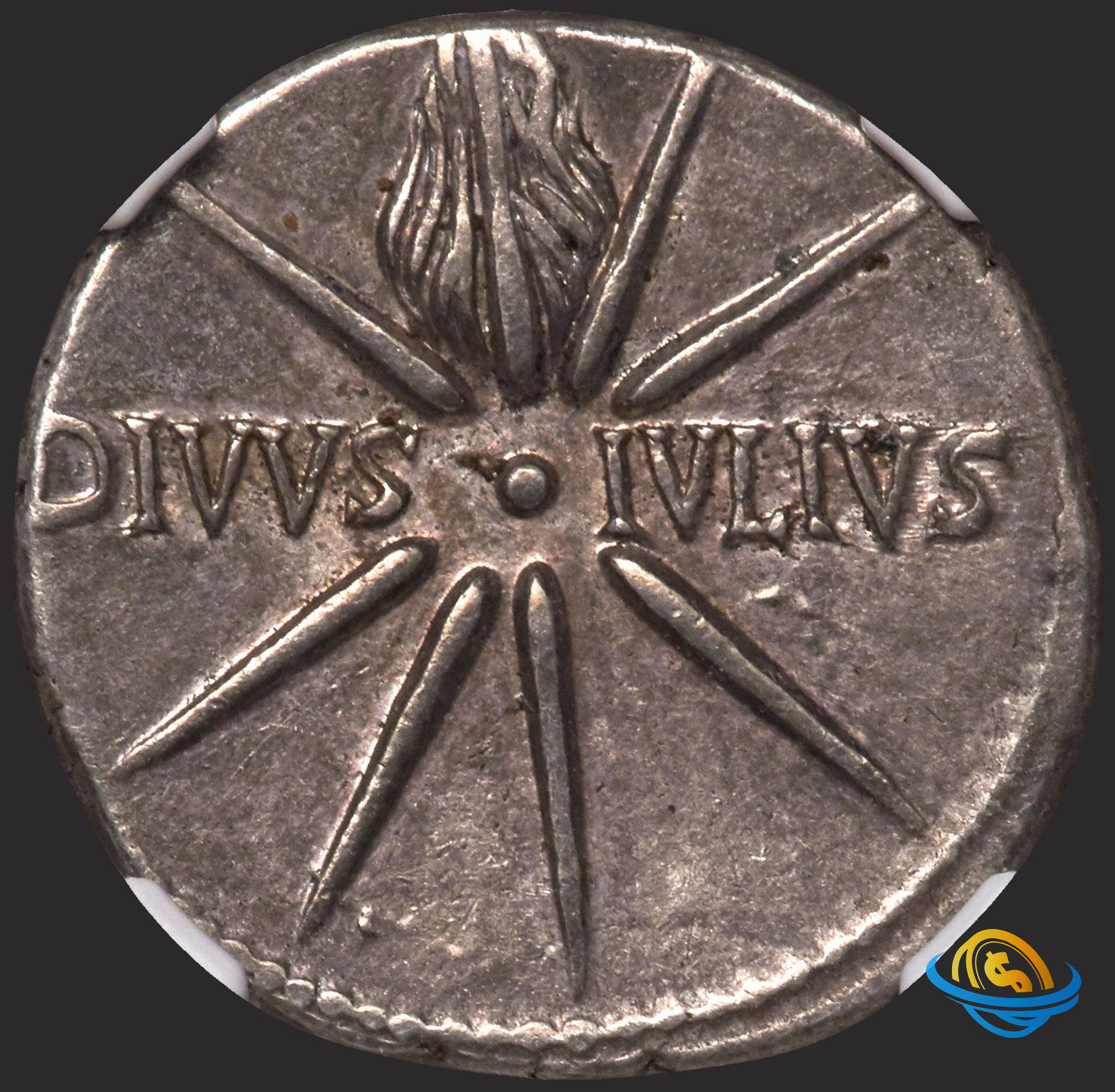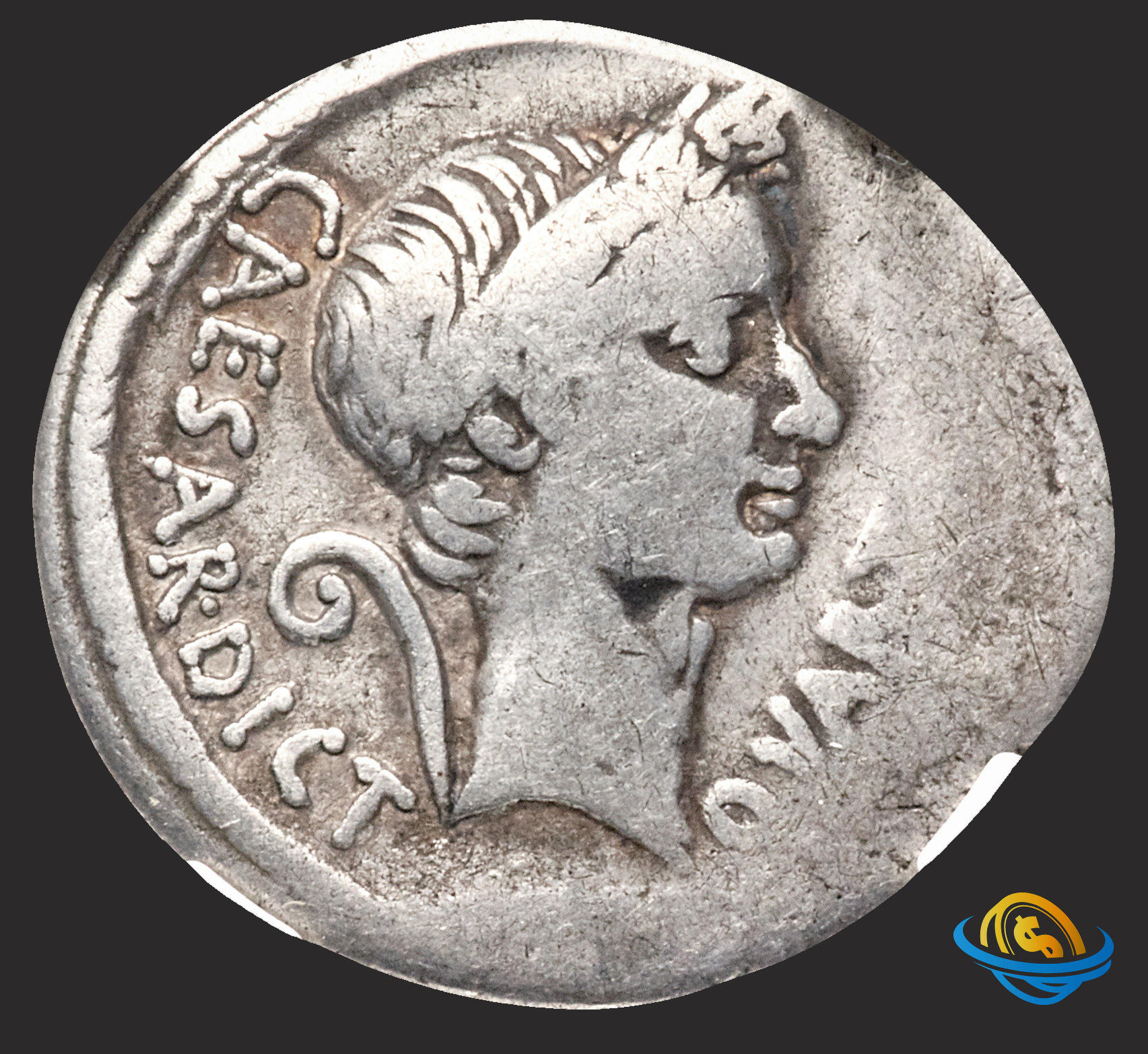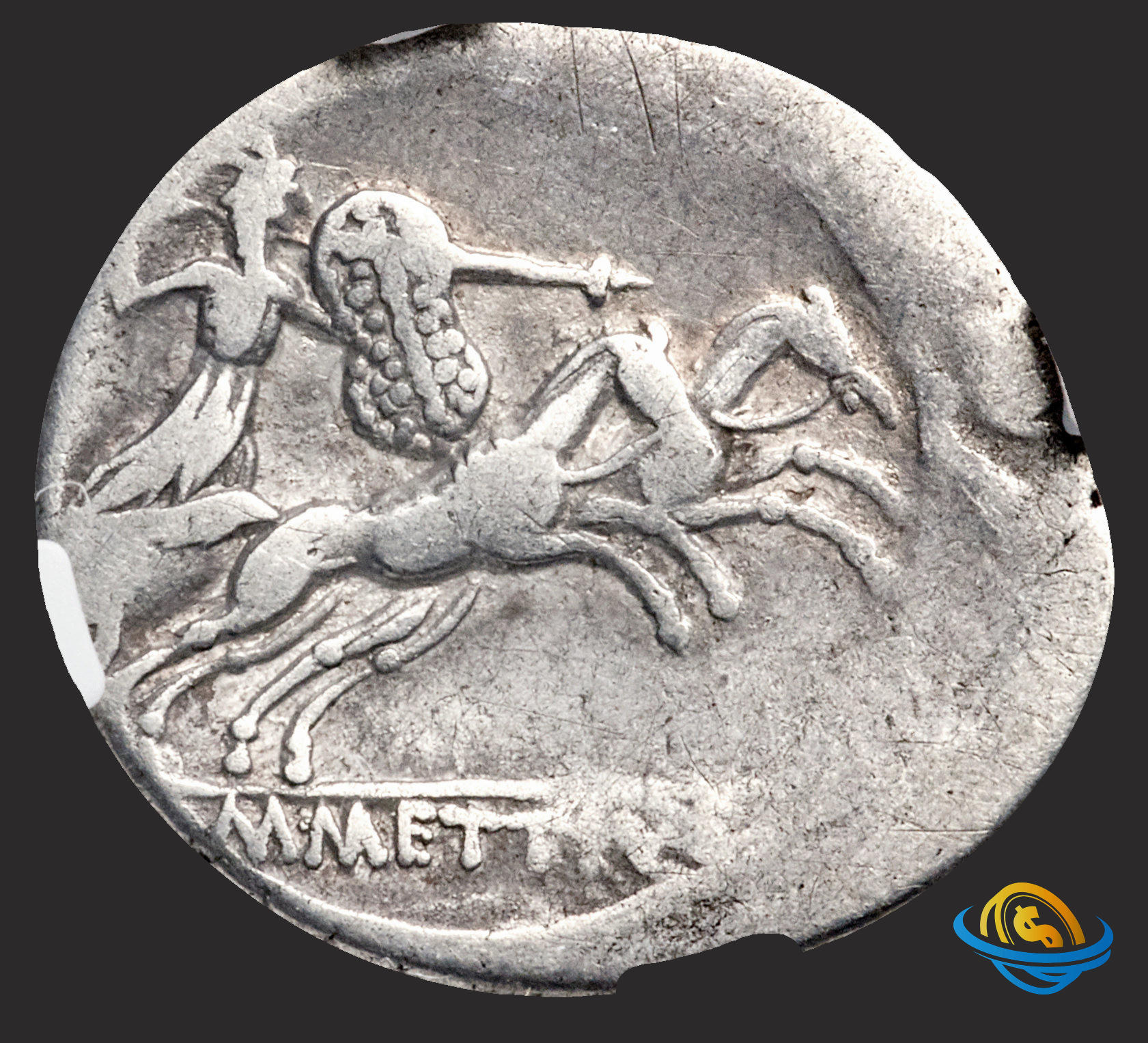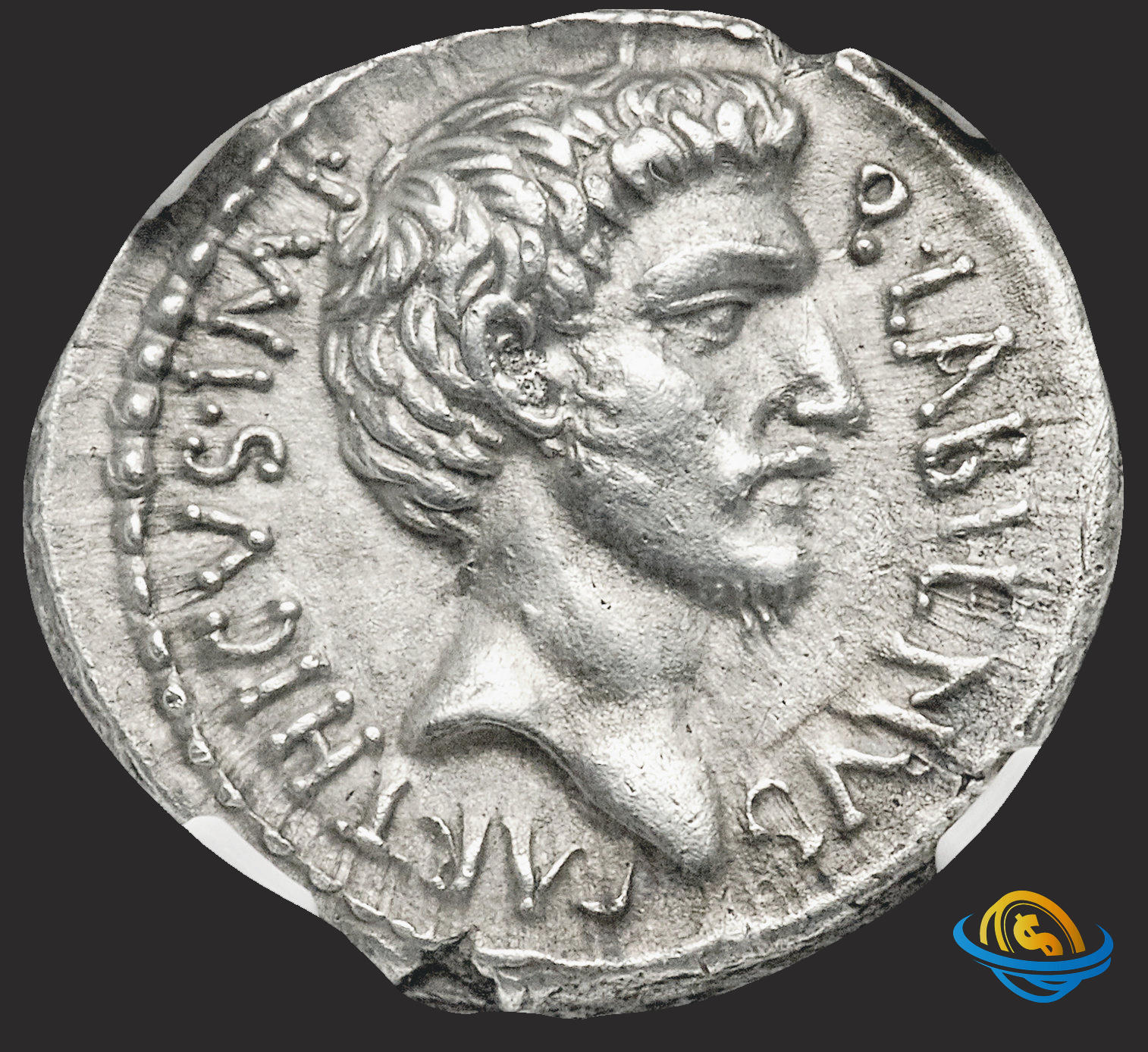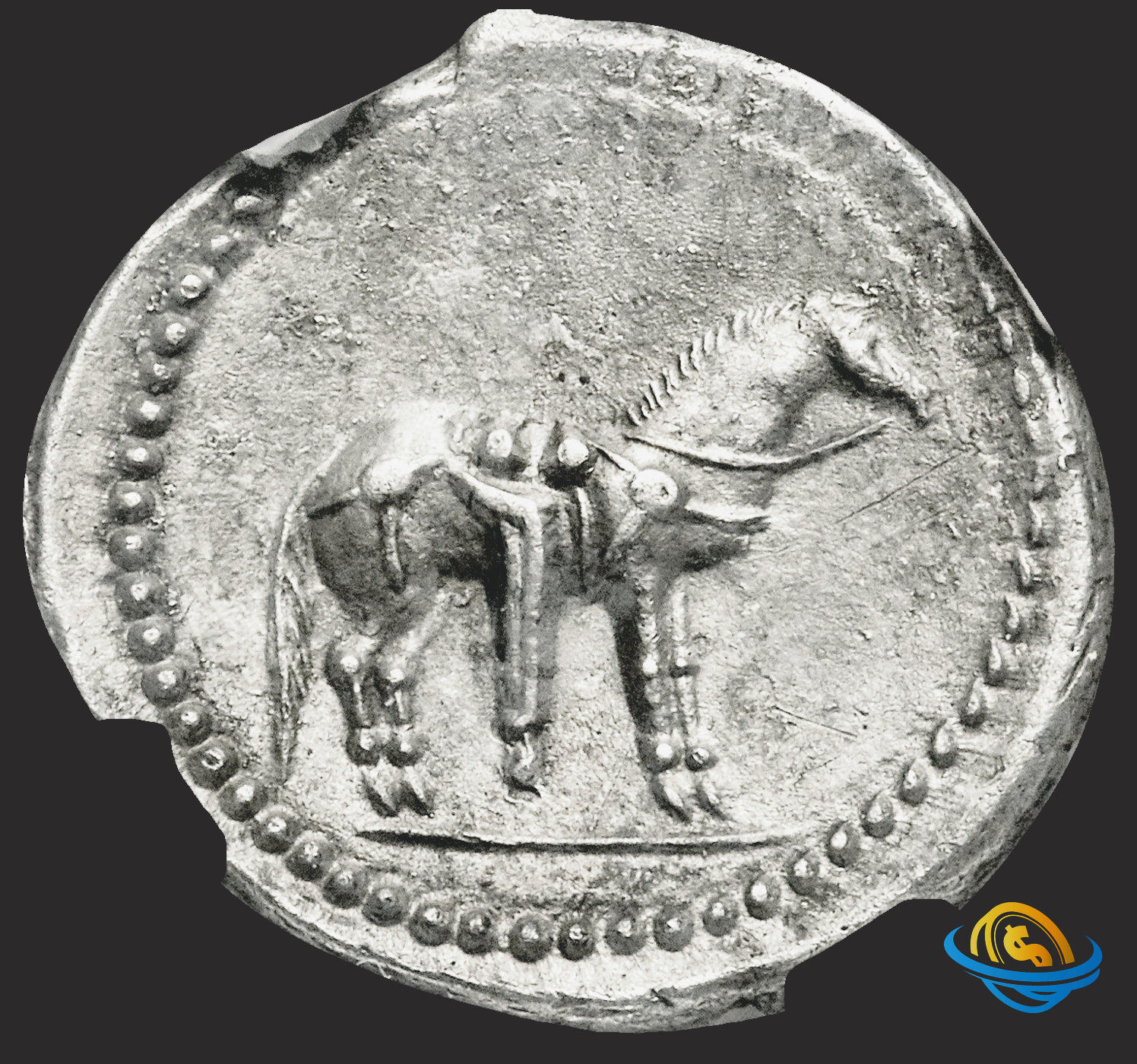
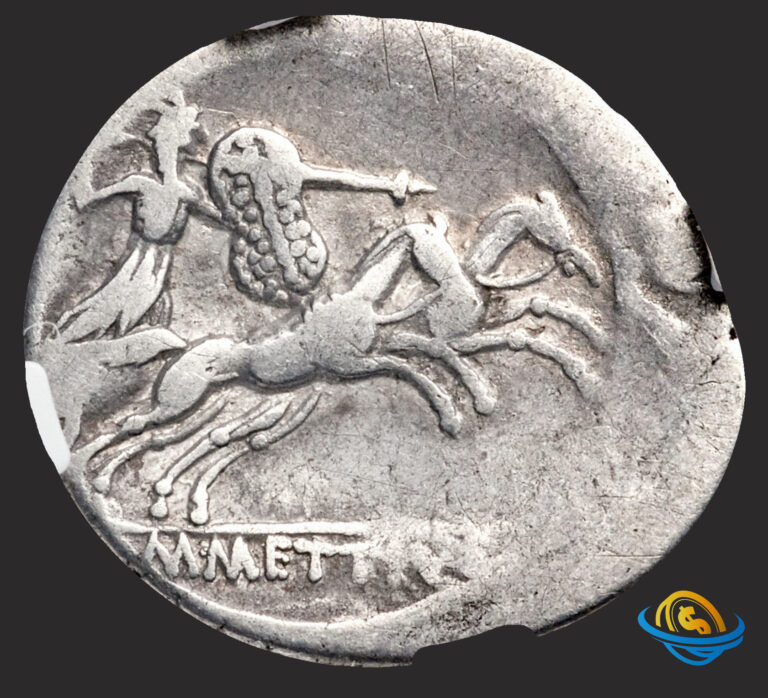
The denarius was a Roman silver denomination introduced during the Republic and used for centuries as a basic unit of Roman money. Its name relates to an early value of ten asses, though the tariff and metal content changed over time. Republican denarii often carried symbolic or family-related designs chosen by moneyers, while imperial issues frequently displayed portraits, titles, deities, military themes, and political messages. The coin’s weight and silver fineness declined over the imperial period, and it was eventually displaced by later denominations. Its name influenced medieval and modern money words, including denier, dinero, dinar, and penny-related accounting traditions.
Example Usage
The denarius was the main Roman silver coin for centuries and influenced later European monetary terms.
Denarius
The denarius was the principal silver coin of ancient Rome for much of the Republic and Empire. Introduced during the Roman Republic, it became one of the basic units of Roman money and remained in use, in various forms and standards, for centuries.
The name comes from its early tariff of ten asses. That value did not remain fixed forever. As Rome’s monetary system changed, the relationship between bronze, silver, and later imperial denominations shifted, and the denarius itself changed in both weight and silver content. Its long life makes it a useful measure of Rome’s economic history: strong and stable in some periods, reduced and debased in others.
Republican denarii often carried designs chosen by the moneyers responsible for their issue. These images could refer to Roman myths, military victories, ancestral claims, religious symbols, or the achievements of a moneyer’s family. In that sense, the Republican denarius was not only currency. It was a small political stage on which elite families advertised memory, legitimacy, and ambition.
Under the Empire, the denarius became more closely tied to imperial power. Portraits of emperors and members of the ruling family appeared with titles, deities, personifications, military scenes, and messages of victory, peace, succession, or divine favor. The coin passed through the hands of soldiers, merchants, taxpayers, and provincial subjects, carrying the image and claims of Rome’s ruler across the empire.
Over time, the denarius declined in weight and fineness as fiscal pressure, military expense, and monetary reform reshaped Roman coinage. It was eventually displaced by later denominations, but its influence lasted long after its practical use ended. The name echoes through later money words such as denier, dinero, and dinar, and through accounting traditions connected with the penny. Few ancient denominations left a deeper linguistic and numismatic legacy.