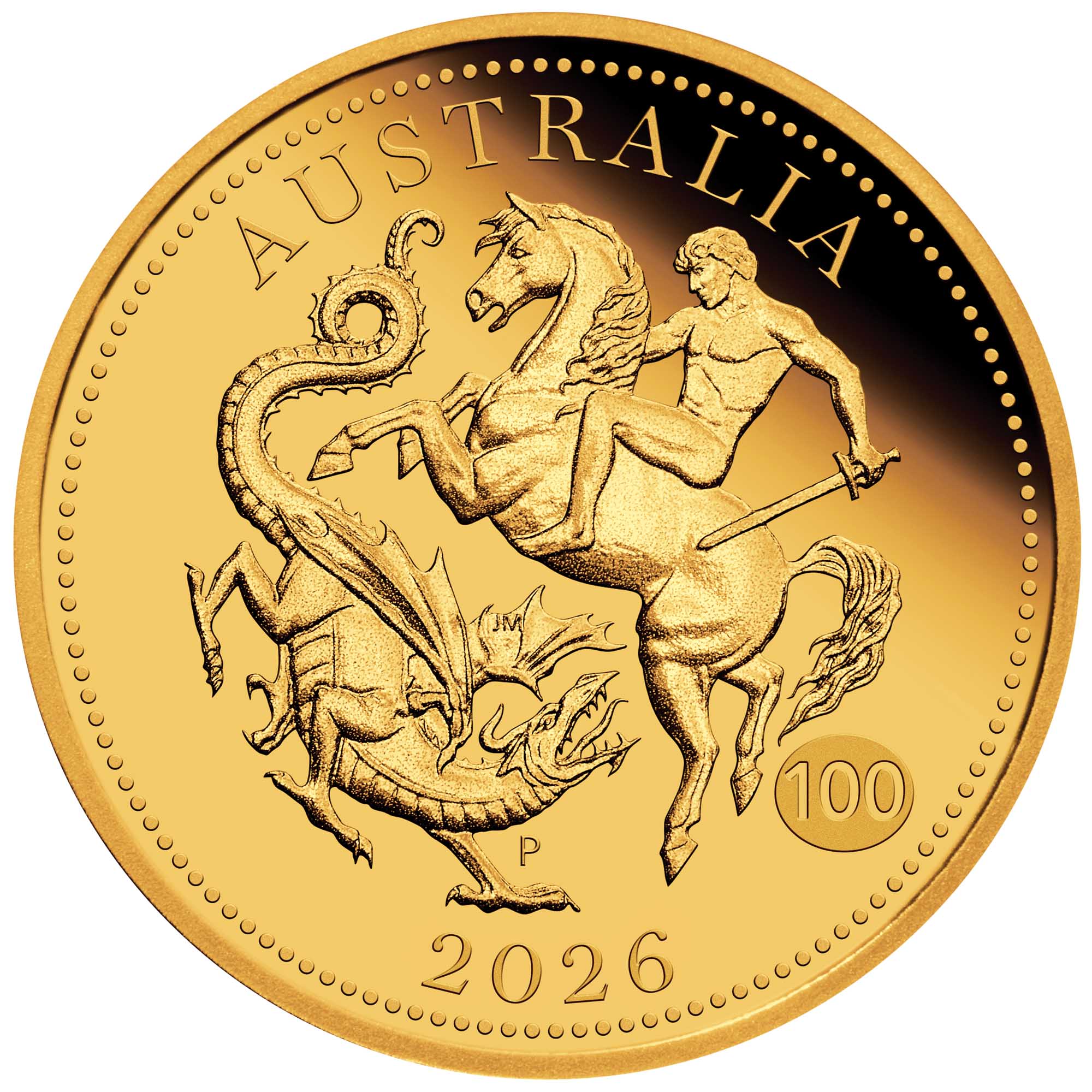
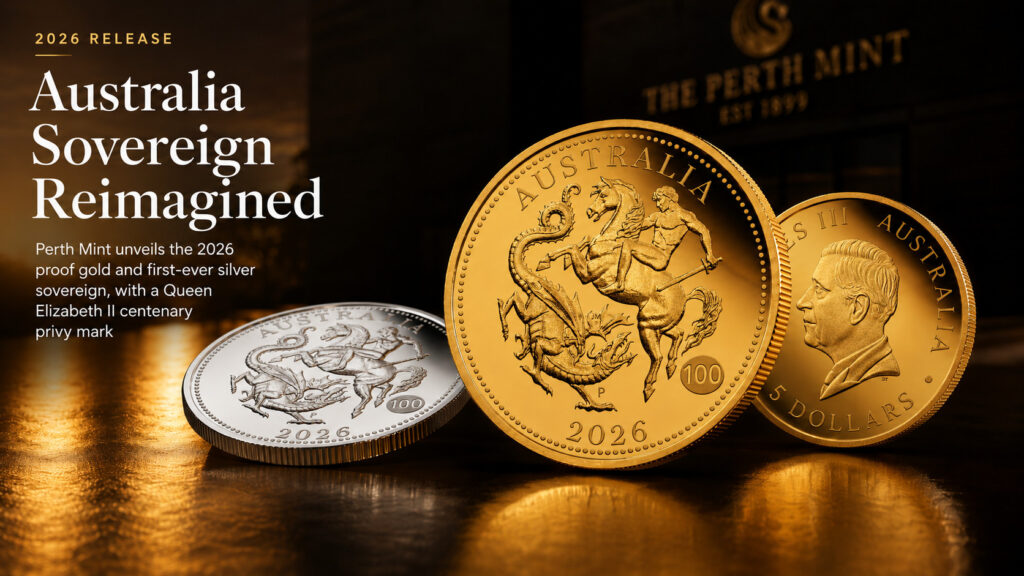
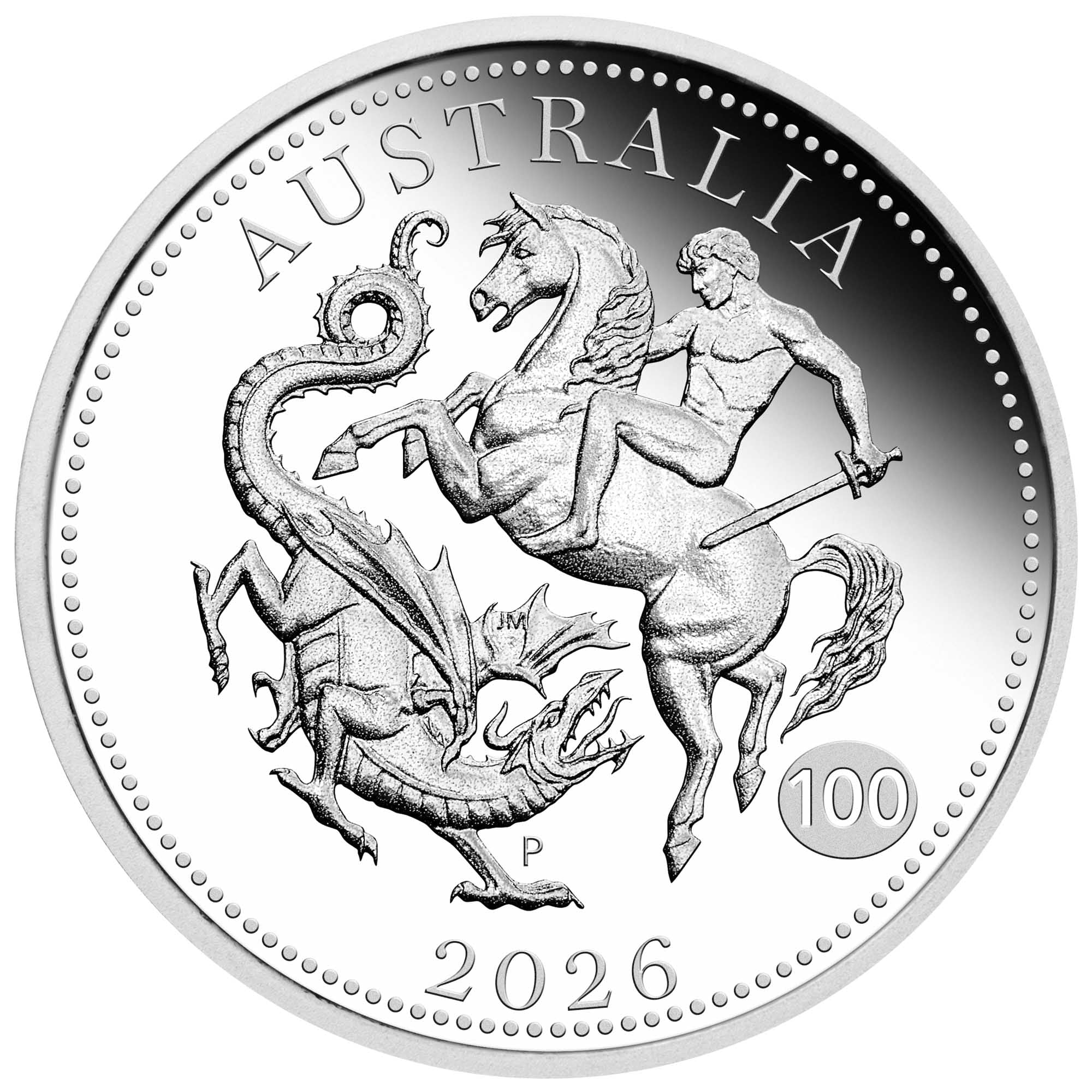
The coin that built the Perth Mint is back for 2026, and it no longer looks like itself. For its new sovereign program, the Mint has set aside Benedetto Pistrucci’s two century old St George and the Dragon and commissioned a wholly new reverse: a naked warrior on horseback, sword raised above a dragon, issued in 91.67% proof gold and, for the first time in the coin’s history, in silver.
It is a deliberate gamble on one of the most recognisable images in all of coinage. The Perth Mint exists because of the Pistrucci sovereign, and it struck that design by the tens of millions. Re drawing it is not a small editorial decision. The new coin also carries a privy mark reading simply ‘100’, marking the centenary of Queen Elizabeth II’s birth, she was born on 21 April 1926, and anchoring a contemporary reinterpretation to a date that carries its own weight.

From a Royal Mint outpost to 106 million sovereigns
To understand why this release matters, start in 1899. The Perth Mint opened that year as a branch of Britain’s Royal Mint, set up to turn Western Australian gold into sovereigns. The first coin it struck is still on permanent display in the Mint’s gold exhibition, one of roughly 106 million sovereigns produced in the years to 1931. Every one of them carried Pistrucci’s classical St George and the Dragon reverse and the distinguishing ‘P’ mintmark.
That mintmark is the thread. It survived the closure of sovereign production, the long gap that followed, and the modern collector revivals, and it is the one element the 2026 coin keeps from the originals. Everything around it has changed.
The design, re imagined
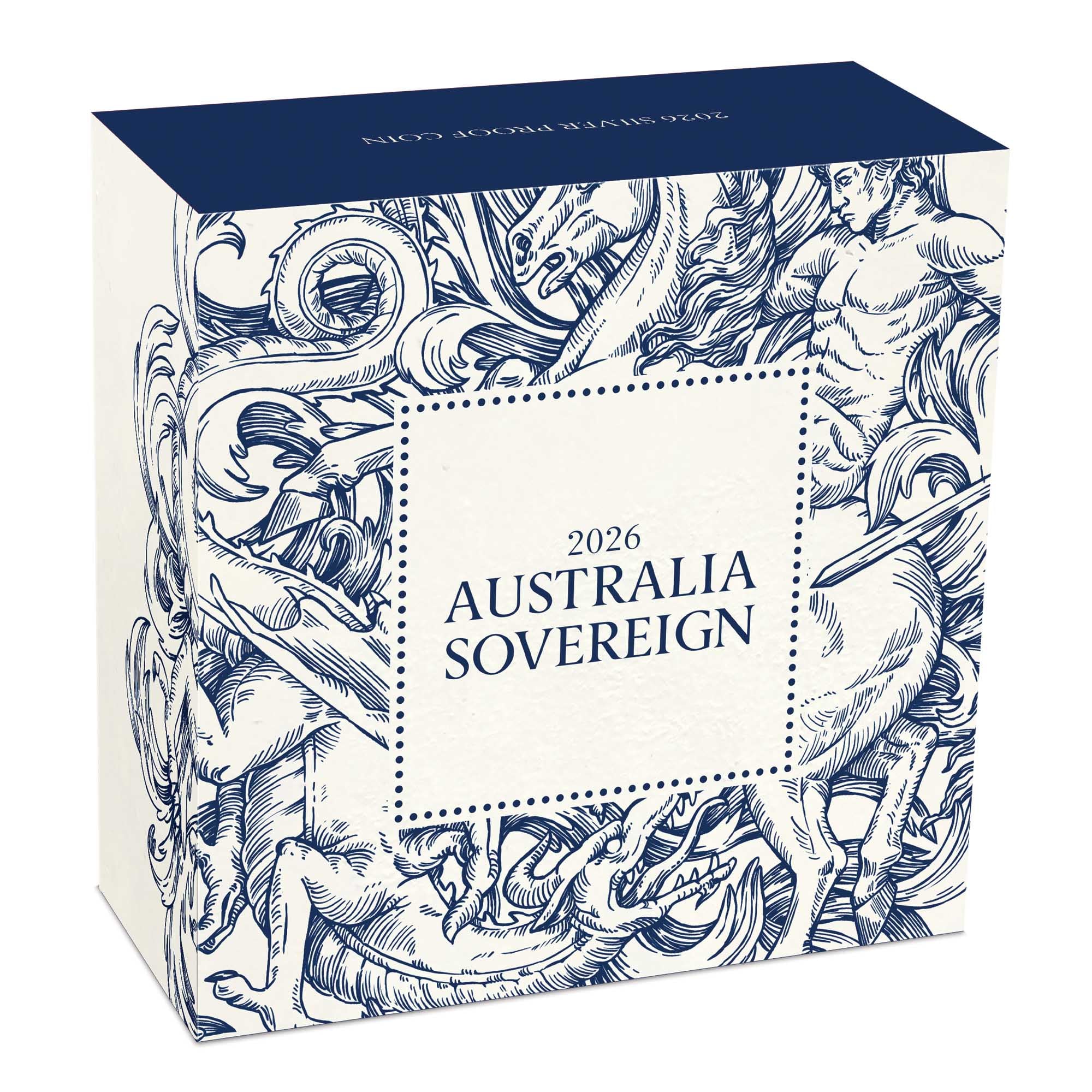
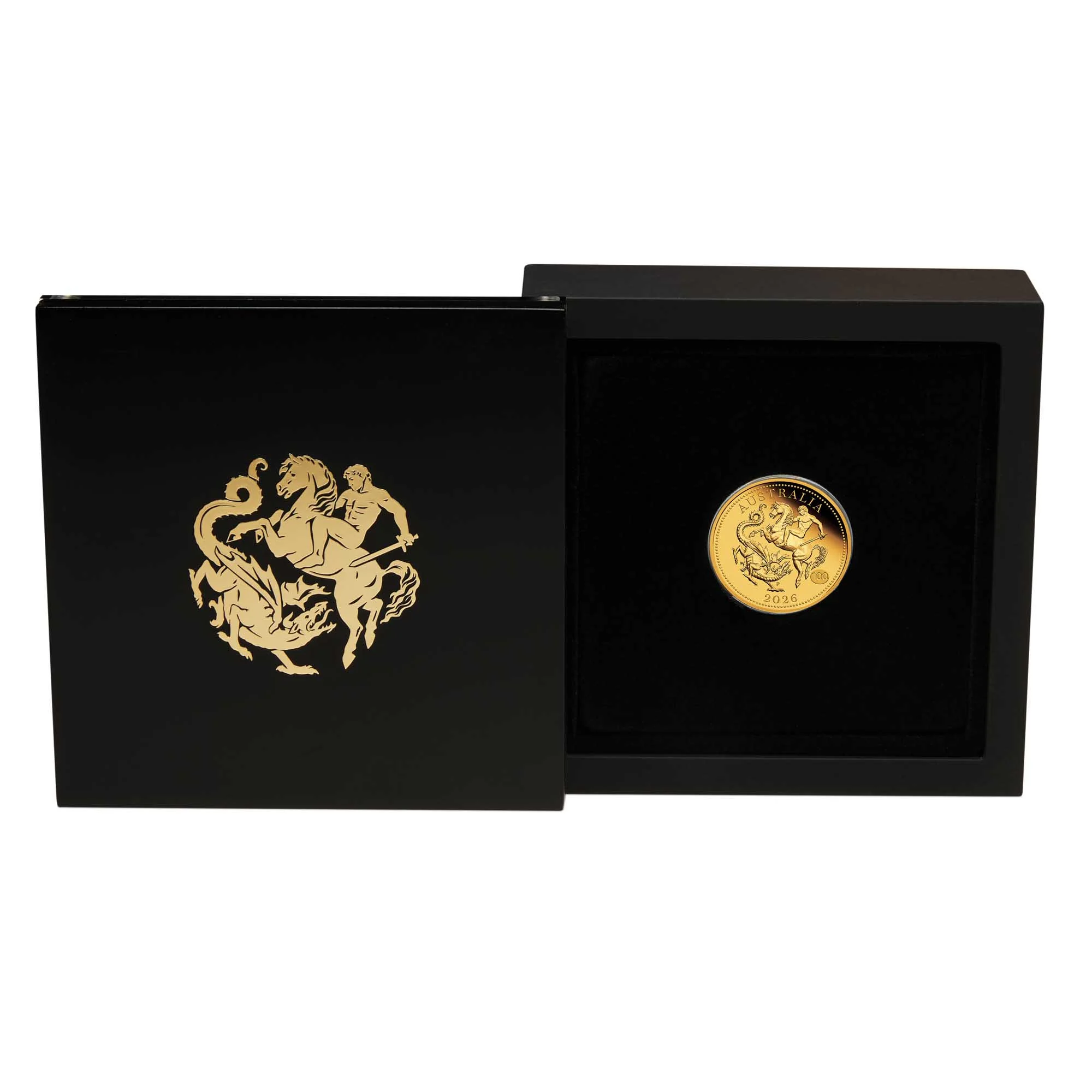
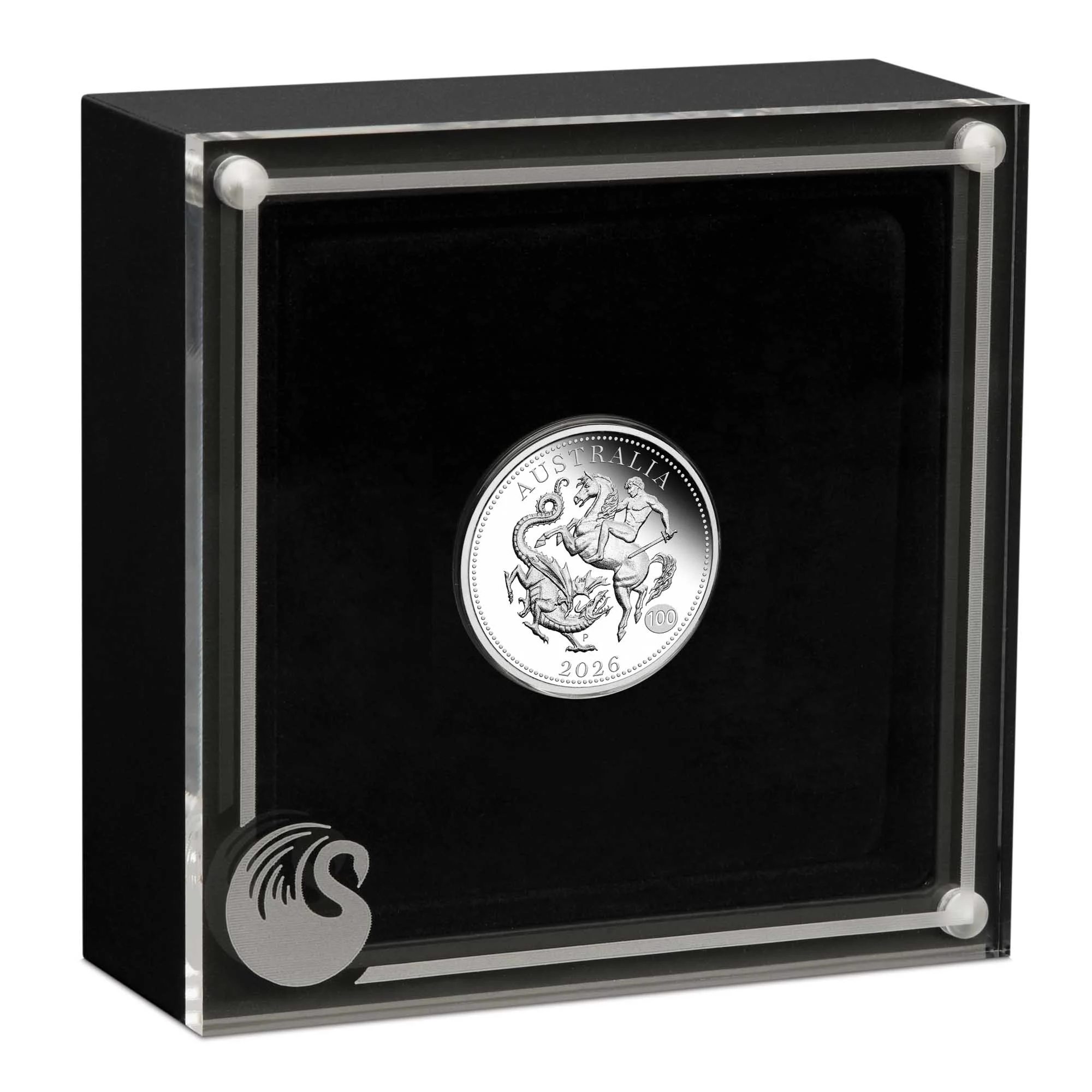
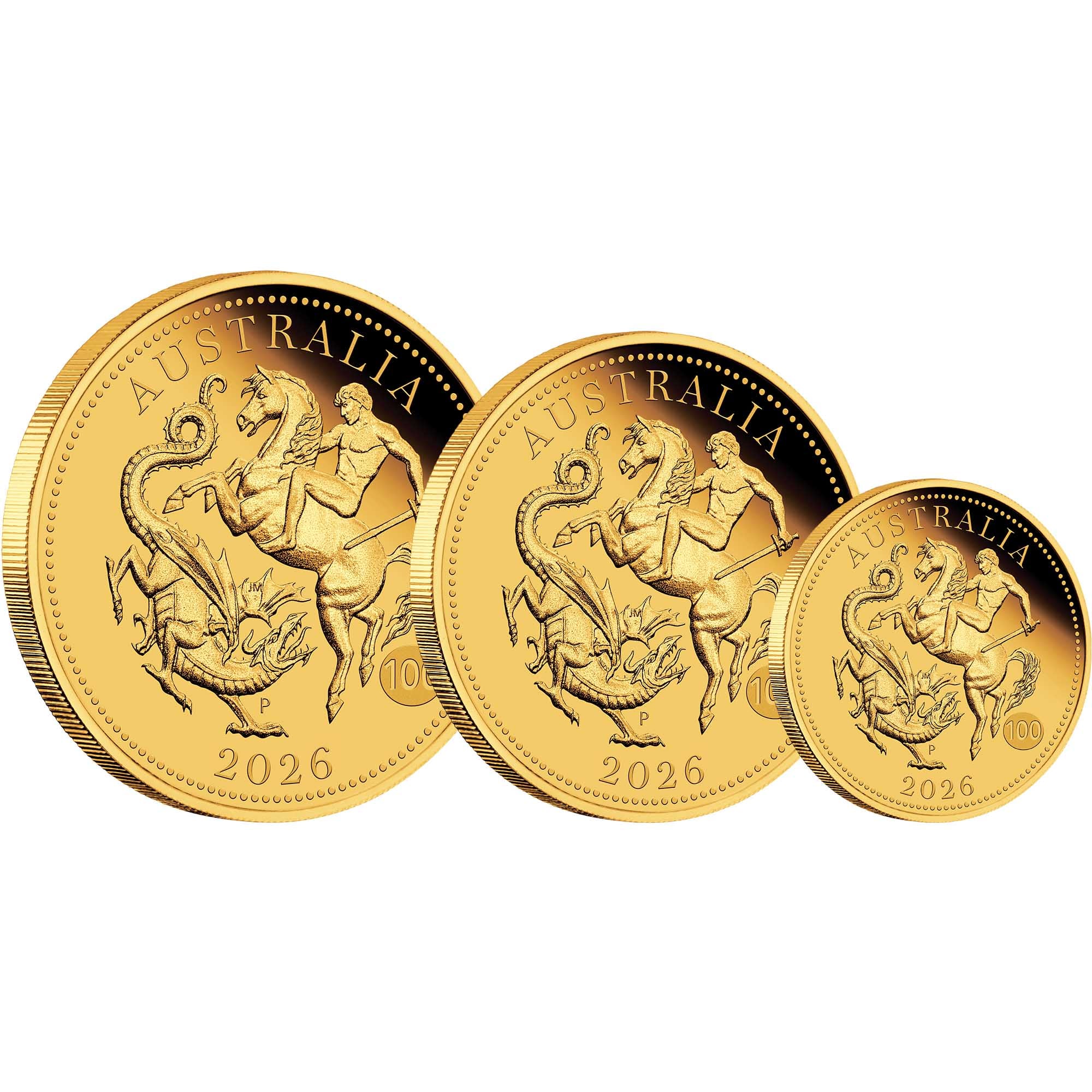
The new reverse is the work of Perth Mint designer Jennifer McKenna, and it reads as a reinterpretation rather than a copy. It portrays a naked warrior on horseback brandishing a sword above a dragon, set within a decorative circle of raised dots, alongside the inscriptions ‘AUSTRALIA’ and ‘2026’ and the Mint’s ‘P’ mintmark. The figure, the horse, and the dragon are all present, the bones of Pistrucci’s composition, but the posture and framing are the Mint’s own.
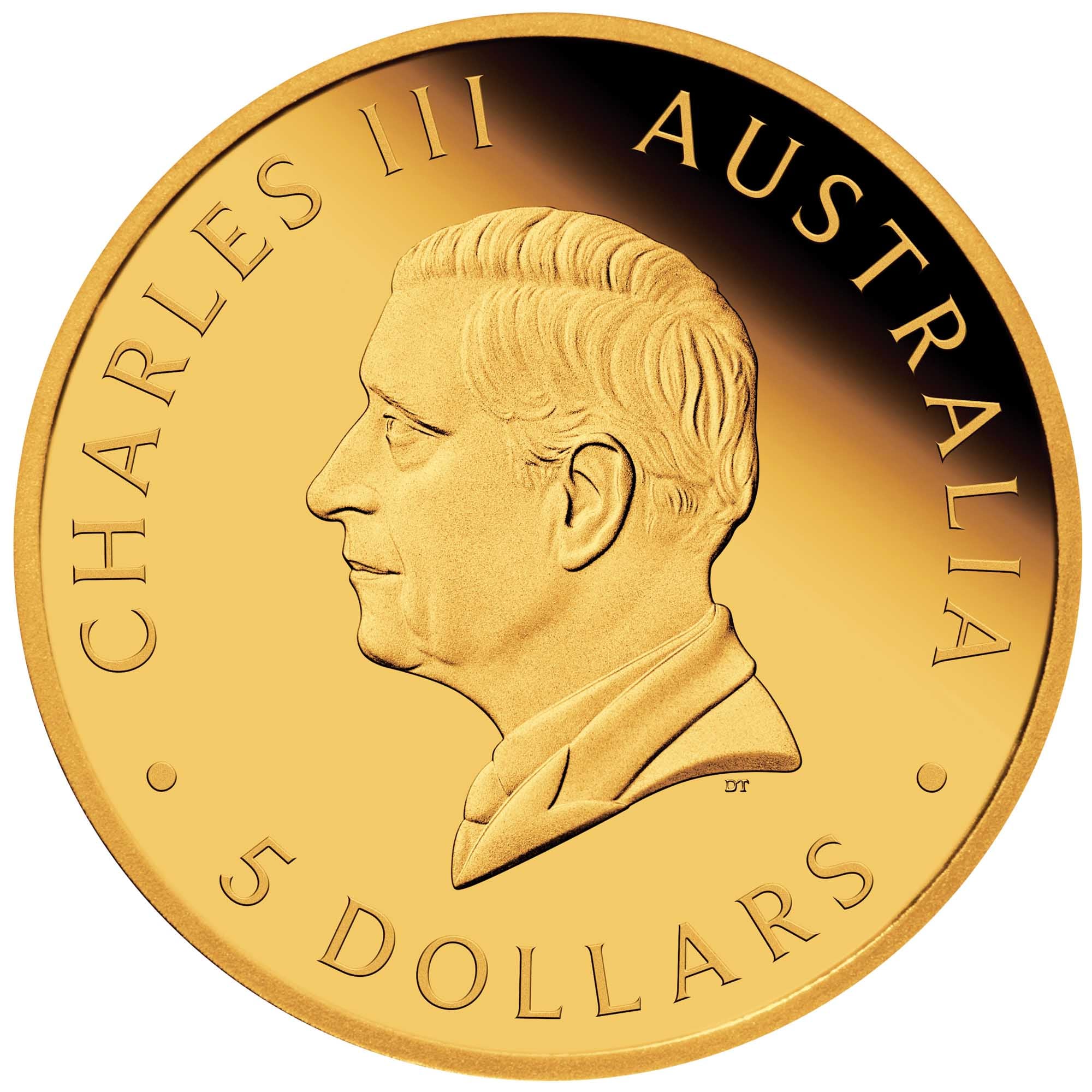
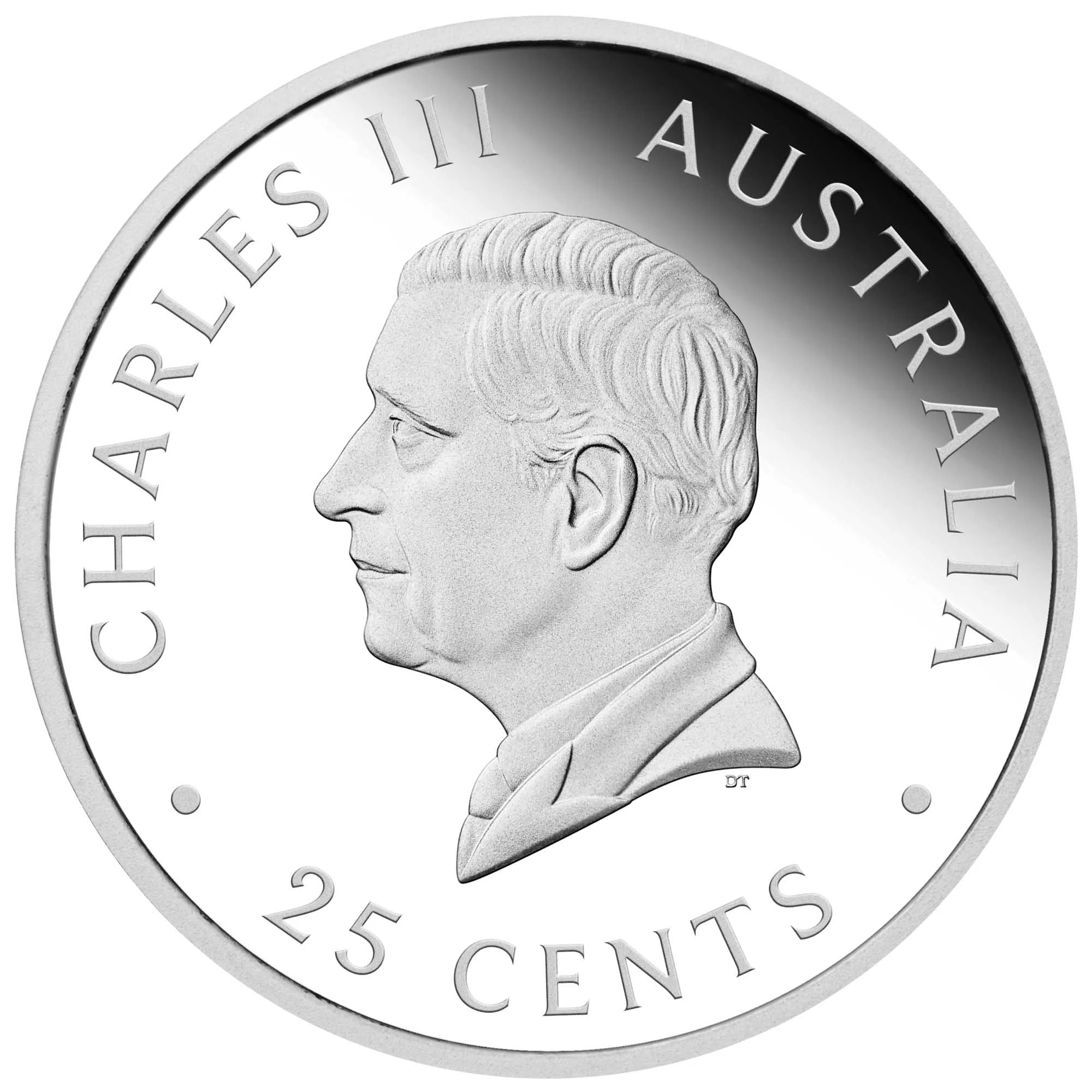
The ‘100’ privy mark does the commemorative work. Queen Elizabeth II reigned for the entire modern life of the Australian sovereign as a collector coin; placing a centenary mark for her birth on a re imagined sovereign is a neat piece of numismatic timing, and it is the detail most likely to define the issue in catalogues to come. The obverse pairs the new reverse with the Dan Thorne effigy of King Charles III, the reigning monarch on the back of a coin commemorating his mother on the front.
The 2026 range: gold across three denominations, and silver for the first time
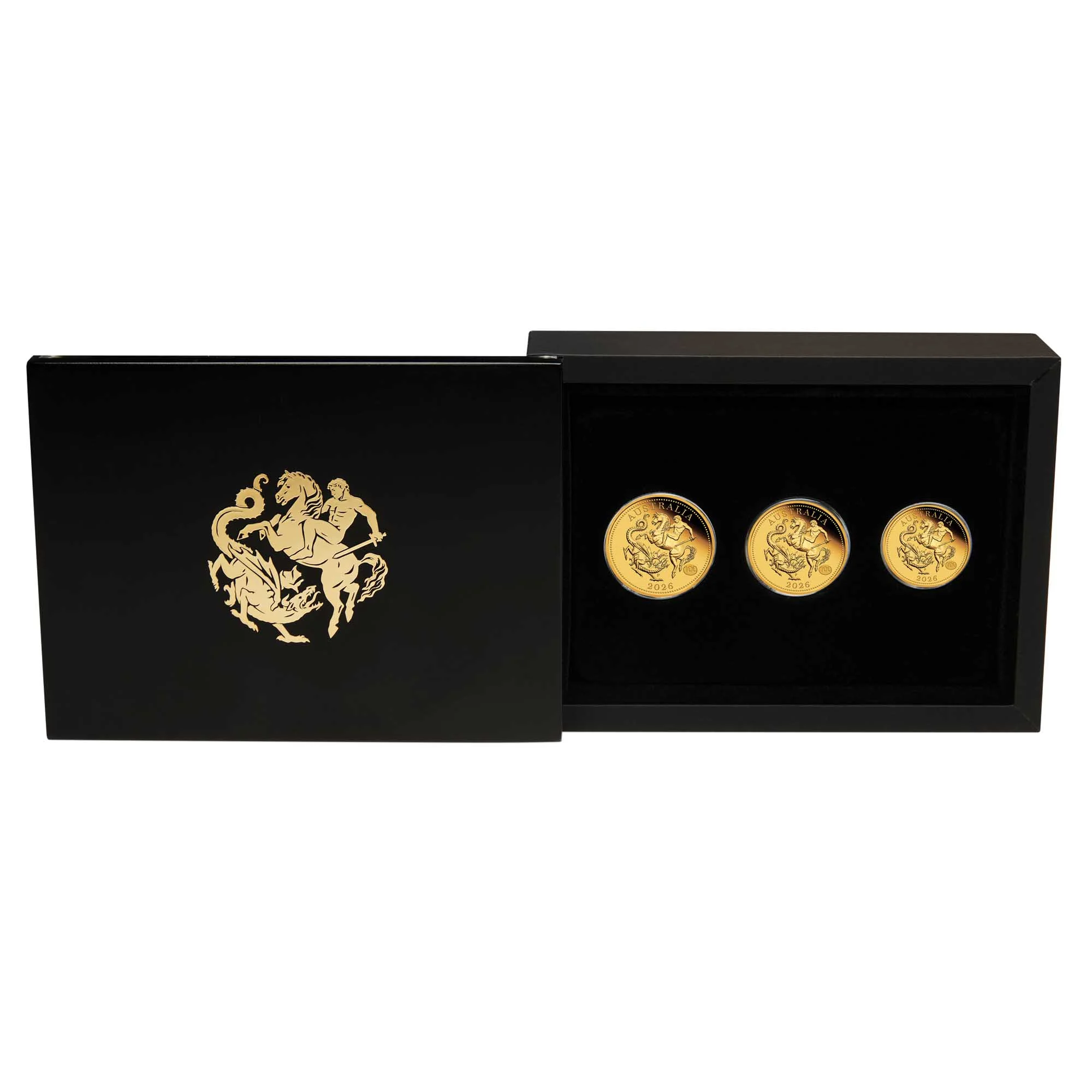
The program spans the full sovereign family. The headline piece is the gold proof sovereign, struck in 91.67% gold at a minimum 7.988 grams and 22.55 millimetres, carrying a face value of AUD 25 and a proof finish, with an issue limit of 1,250 and a maximum mintage of 1,500. It retails for AUD 2,395.
Below it sits the quarter sovereign, a 1.997 gram, 14.20 millimetre coin of the same fineness and finish, denominated at AUD 5 and limited to 1,500 pieces, at AUD 624.99. The half sovereign is the scarcest gold piece of the release and the most exclusive, at a maximum mintage of just 250, it is available only inside the gold proof three coin set, which gathers the full, half and quarter sovereigns together for AUD 4,125 against an issue limit of 250 sets. For collectors who want the complete gold trio, the set is the only route to the half.
The real departure is the silver proof sovereign. Struck in 99.99% silver, it is described as the first ever silver Australia Sovereign, a denomination that has, until now, only ever been gold. At a mintage of 10,000, a limit of two per customer and per household, and a price of AUD 78.99, it is by some distance the most accessible coin the Mint has ever put under the sovereign name. It is also the piece most likely to introduce the re imagined design to collectors who would never buy the gold.
Packaging and a note on availability
Each coin ships with a numbered certificate of authenticity. The gold issues come in a classic display case with a wooden lid bearing a foiled representation of the design, inside an illustrated shipper; the silver coin uses a clear lidded case with the same illustrated outer packaging. One practical caveat for international buyers: the Mint notes that customers in the United Kingdom must purchase these products through The Westminster Collection rather than directly.
The 2026 sovereign is the Perth Mint betting that its most famous design is strong enough to be rewritten. That is a higher risk proposition than another faithful Pistrucci restrike, and how the reinterpretation is received will say something about how much latitude collectors give a mint with its own heritage. The centenary privy mark gives the issue a fixed historical hook, the three gold denominations cover the established sovereign audience, and the debut silver piece widens the door to a price point the sovereign has never reached before. Whether the new warrior earns a place beside Pistrucci’s will be decided not at issue, but over the years collectors spend deciding which 2026 coins they wish they had kept.