
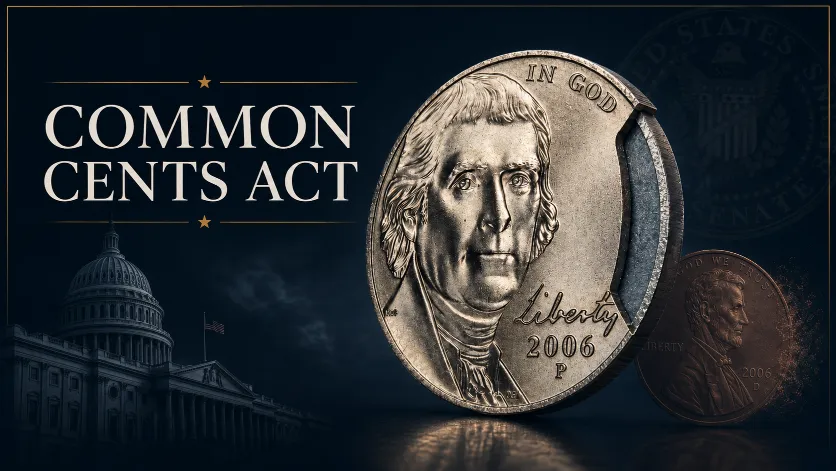
The Jefferson 5 cent coin could be struck from a new metal for the first time since the Second World War, and the one cent coin could survive in federal law only as a product sold to collectors. Both outcomes now sit with the U.S. Senate. On July 14, 2026, the House of Representatives passed H.R. 3074, the Common Cents Act, by voice vote under suspension of the rules, after forty minutes of floor debate and with no recorded roll call. The bill was received in the Senate the following day, read twice, and referred to the Committee on Banking, Housing, and Urban Affairs, where no hearing or markup has been scheduled.
The rounding framework that gives the bill its name has taken most of the press attention. For collectors, the consequential language sits in Section 2, which rewrites the coinage specifications in Title 31 of the United States Code and does two things the hobby will feel for decades.
A Zinc Core Under a Nickel Skin
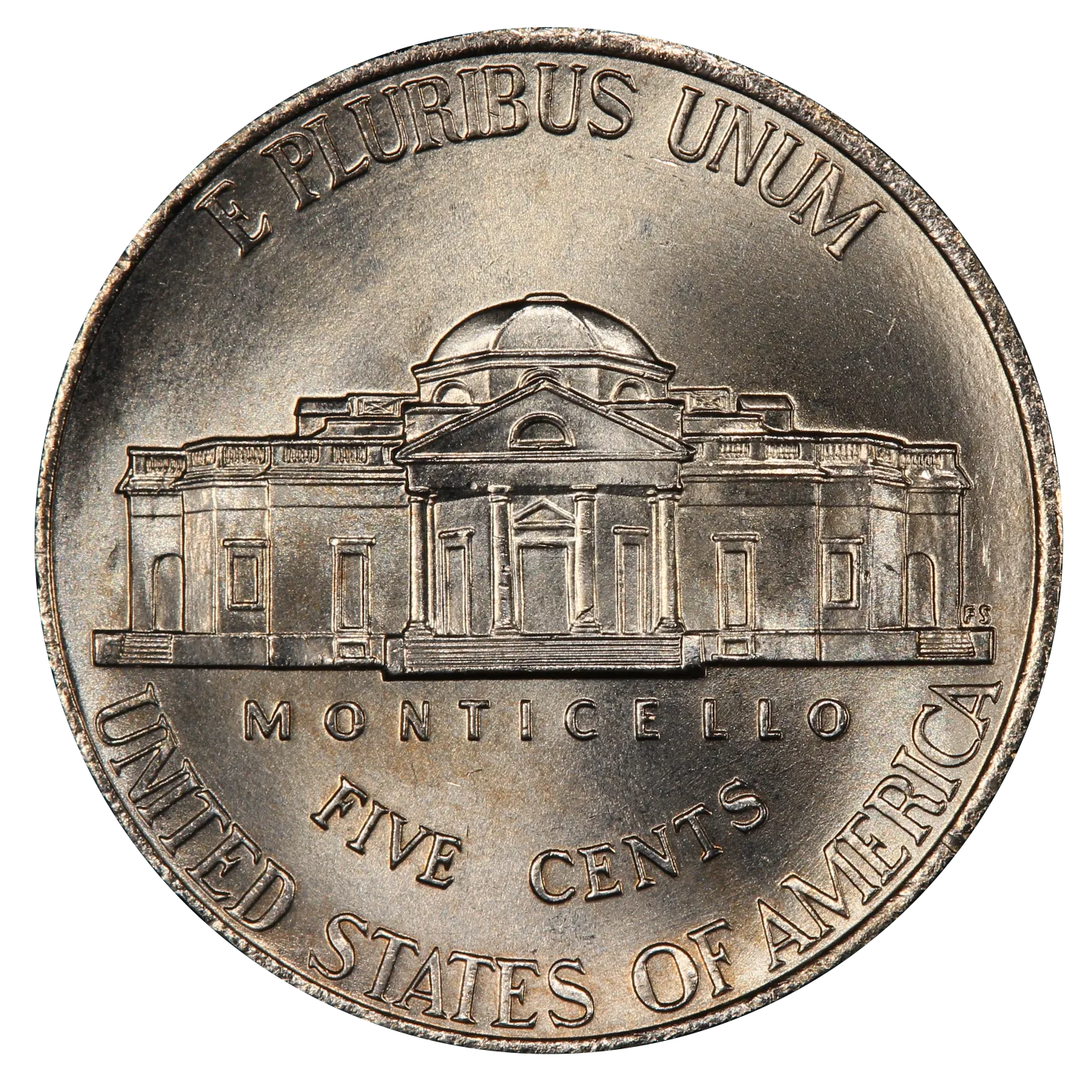
Section 2 replaces subsection (c) of 31 U.S.C. 5112 with a new provision stating that the 5 cent coin may be a coin with an inner layer of zinc and an outer layer of nickel. The verb matters. The bill permits the change, it does not order it. The Secretary of the Treasury would be authorized to prescribe the exact proportions of zinc and nickel, subject to testing and evaluation showing that the composition reduces the cost of producing the coin and, to the greatest extent practicable, has a minimal adverse impact on machines designed to accept coins.
That second condition is narrower than it has been reported. The bill does not promise that a new nickel would work seamlessly in vending equipment. It asks Treasury to keep the disruption as small as it reasonably can, language the vending industry lobbied for after the version reported by the House Financial Services Committee in 2025 required Treasury to prove cost savings but said nothing about coin acceptors.
The weight specification splits accordingly. A 5 cent coin struck from an alloy of copper and nickel would still weigh 5 grams. A coin of the new zinc and nickel construction could weigh anywhere between 4 and 6 grams, a tolerance wide enough to let Treasury tune the electromagnetic signature of the finished piece.
The reason is arithmetic. According to the U.S. Mint’s annual reports, the cost to produce and distribute a single 5 cent coin was 11.54 cents in 2023, 13.78 cents in 2024, and 13.31 cents in 2025. Every nickel struck in those three years lost the government more than its own face value, twice over.
Not Quite the First Time
The framing circulating this week holds that the composition would change for the first time in the denomination’s history. That framing skips a chapter.
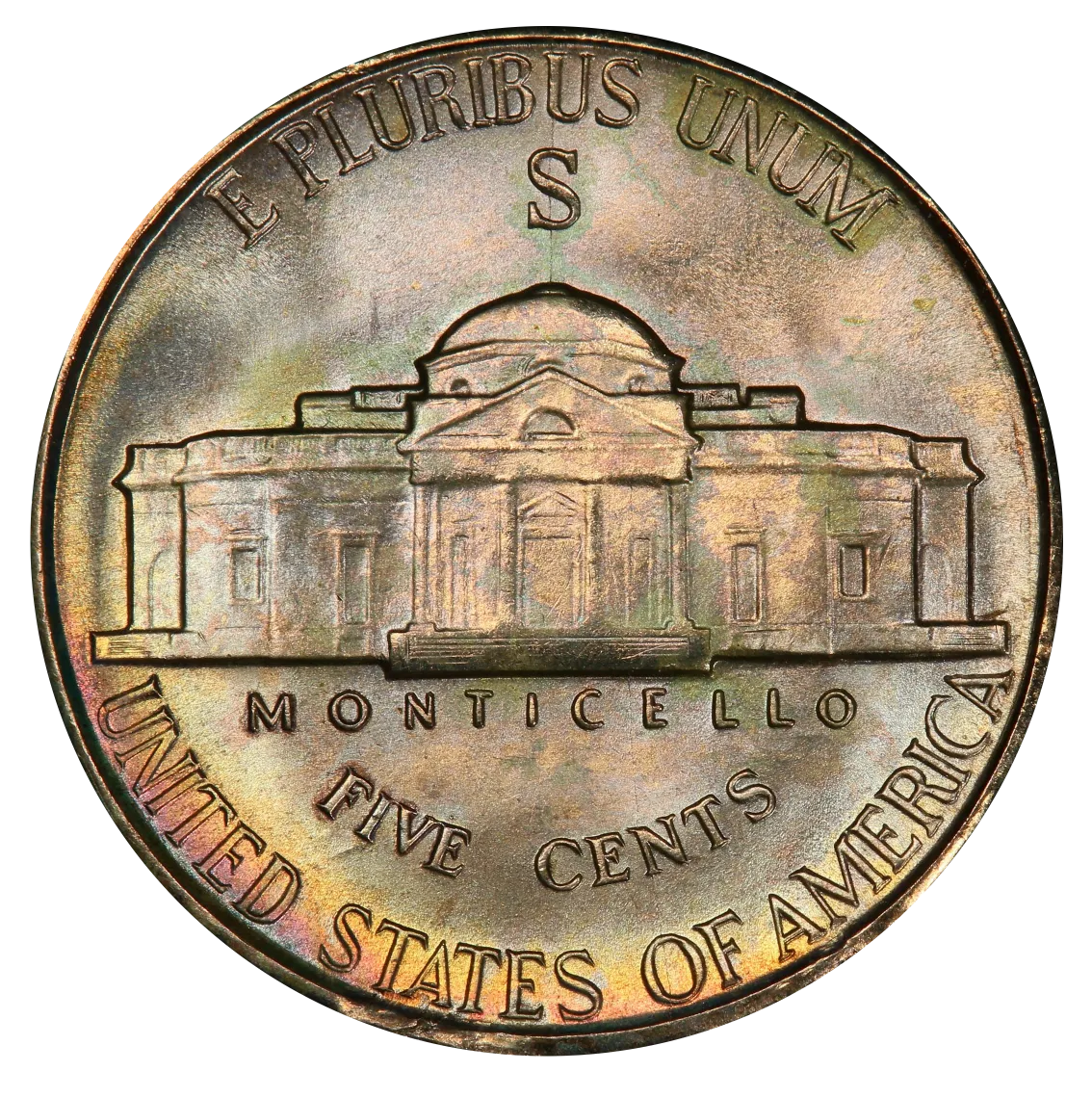
Congress introduced the 5 cent coin in nickel in 1866 with the Shield design of Chief Engraver James Barton Longacre, at 75 percent copper and 25 percent nickel, weighing 5 grams. That standard has governed the denomination for 160 years with one interruption. Under the Act of March 27, 1942, with nickel diverted to armor plate and aircraft engines, Congress authorized a substitute alloy. From October 1942 through 1945 the Mint struck the Jefferson 5 cent coin in 56 percent copper, 35 percent silver, and 9 percent manganese, marking the change with an oversized P, D, or S above the dome of Monticello so the coins could be pulled from circulation when the war ended.
Those wartime pieces are among the most widely collected coins in the series, and they set the honest precedent. H.R. 3074 would not be the first change to the composition of the American nickel. It would be the first permanent one, and the first made for cost rather than for war.
The Cent, Legislated Into a Collector Coin
The bill’s official long title directs the Secretary of the Treasury to stop minting the penny, and Section 2 is where that instruction becomes statute.
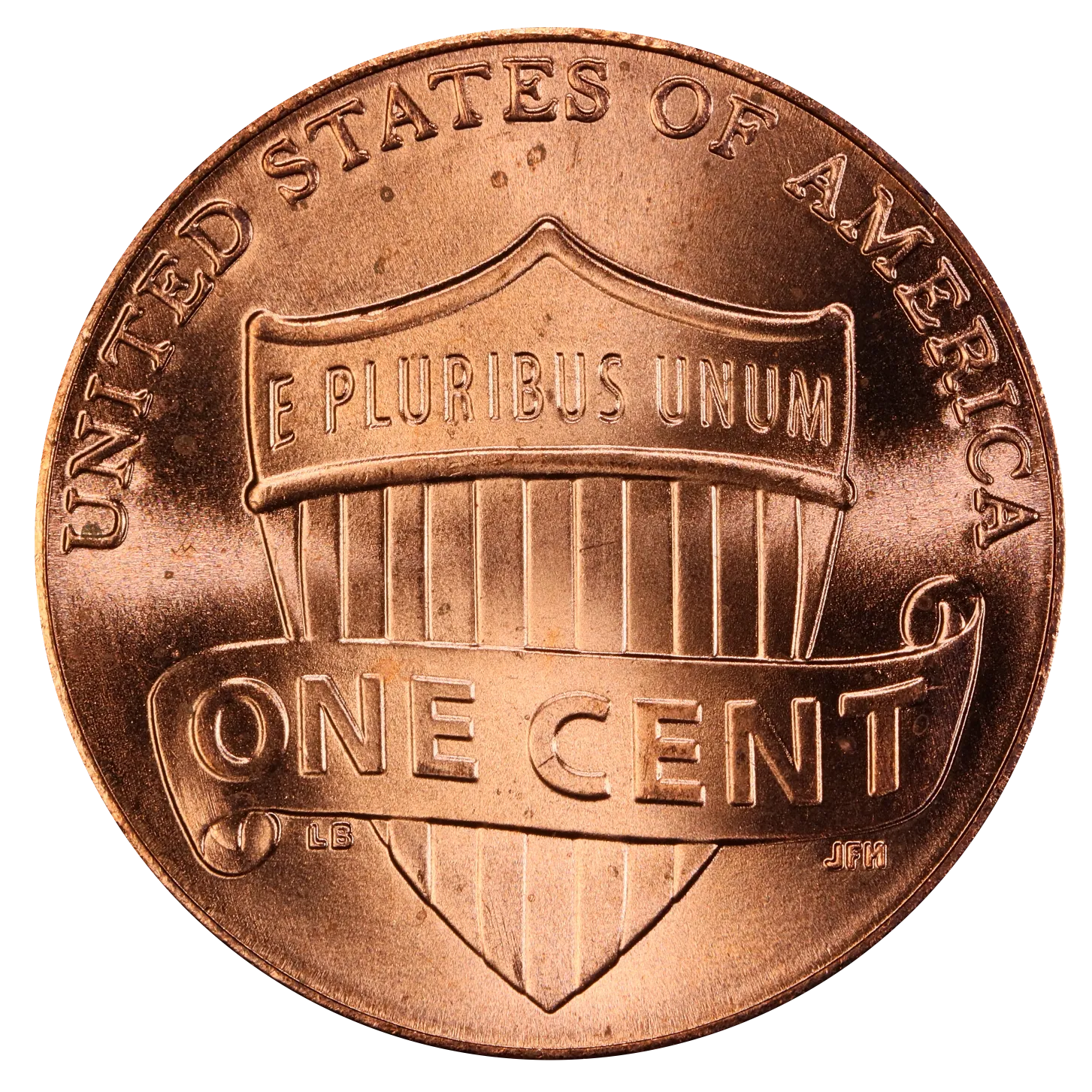
The bill adds an entirely new subsection to Section 5112 directing that the Secretary shall cease production of one cent coins for general circulation, while expressly permitting the Mint to continue producing and issuing one cent coins for sale as numismatic items. Any cent minted before enactment stays legal tender for all debts, public charges, taxes, and dues.
Treasury reached the first half of that outcome without waiting for Congress. President Trump directed the department to stop making cents in February 2025, and Treasury acted under the Secretary’s existing statutory authority. On November 12, 2025, U.S. Treasurer Brandon Beach struck the final circulating cents at the Philadelphia Mint, closing a 232 year production run that began in 1793. The ceremonial pieces carried an omega symbol and went to auction rather than into commerce.
What the Common Cents Act adds is the second half. Codifying the shutdown in statute makes it harder for a future administration to quietly reverse, and the exception for numismatic items gives the Mint standing authority to keep the Lincoln cent alive as a collector product indefinitely. The bill also strips the 3.11 gram weight requirement and the prescribed alloy percentages from the cent’s specification, leaving only the phrase that the one cent coin is composed of copper and zinc. A cent sold in a proof set after enactment would be governed by a far looser standard than the one that governed the cent in your change jar.
Rounding, Reports, and the Fine Print
Section 3 sets up the rounding framework, and it is permissive throughout. A cash total ending in 1, 2, 6, or 7 cents may be rounded down to the nearest nickel. A total ending in 3, 4, 8, or 9 cents may be rounded up. Totals of one or two cents round up to five. None of it applies to cards, checks, electronic transfers, gift cards, or money orders, and Section 3 closes by stating that nothing in the Act requires anyone to round anything.
Section 4 supplies the reason the bill exists at all in its current form: businesses that adopt the rounding scheme are shielded from federal, state, and tribal enforcement, without displacing the rounding laws twenty states have already enacted on their own. Minimum wage, overtime, and paid leave obligations are untouched.
Section 5 hands the Federal Reserve a reporting schedule. Within 90 days of enactment, the Board must publish a strategic plan for how commercial coin terminals will handle cent orders and deposits as the supply contracts, followed by progress reports at six, eighteen, and thirty months. Folded into the first report is a Treasury assessment of how the disappearance of the cent and the arrival of rounding will land on low income communities, older consumers, and people without full access to banking.
What Happens Next
The Senate companion, S. 1525, has sat in committee without a hearing since its introduction in April 2025. The House text now joins it, and the calendar is not generous. Even if the Senate moves, the composition change would not follow quickly: Treasury has to test a candidate alloy, evaluate it against both the cost standard and the coin acceptor standard, and only then prescribe it.
There is a quiet symmetry in the timing. Coin World reports that the designs for the 2027 Jefferson 5 cent coin are legislated to revert to those used in 2025, once the anniversary designs of 2026 have run their course. Collectors pulling a 2027 nickel from a roll would see the same Jefferson and the same Monticello they have always seen. What changes, if the Senate acts and the President signs, is everything underneath the design: a zinc core wearing a nickel jacket, minted at a loss no longer, and carrying the first peacetime composition change the denomination has ever had.
Frequently Asked Questions
Is the penny still legal tender?
Yes. Every cent struck before enactment remains legal tender for all debts, public charges, taxes, and dues. The bill ends production, not circulation.
Has the nickel’s composition ever changed?
Once. From October 1942 through 1945 the Mint struck the 5-cent coin in 56 percent copper, 35 percent silver, and 9 percent manganese, identified by an oversized mintmark above Monticello.
Would stores be required to round cash totals?
No. The rounding framework in Section 3 is permissive throughout, and the section closes by stating that nothing in the Act requires anyone to round.