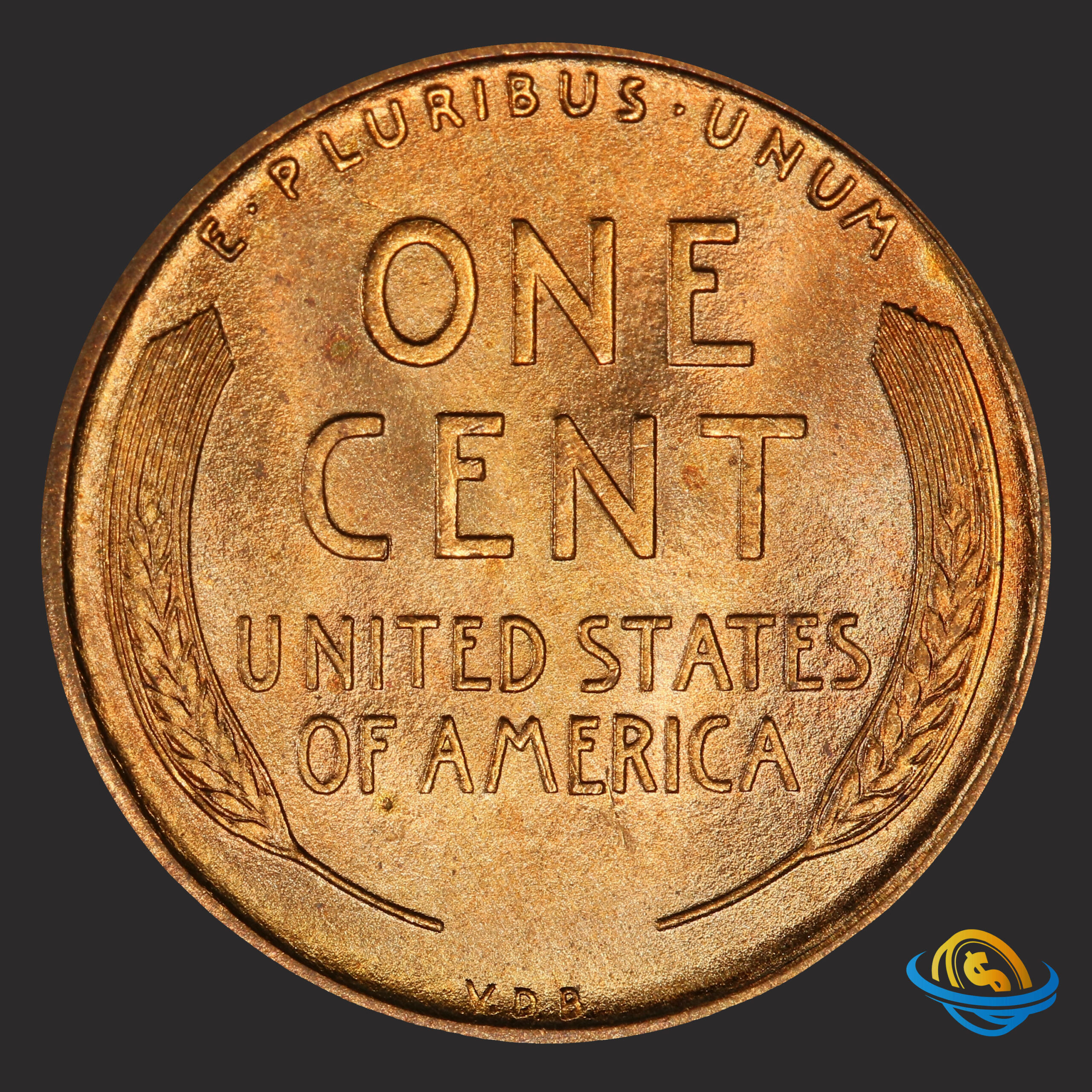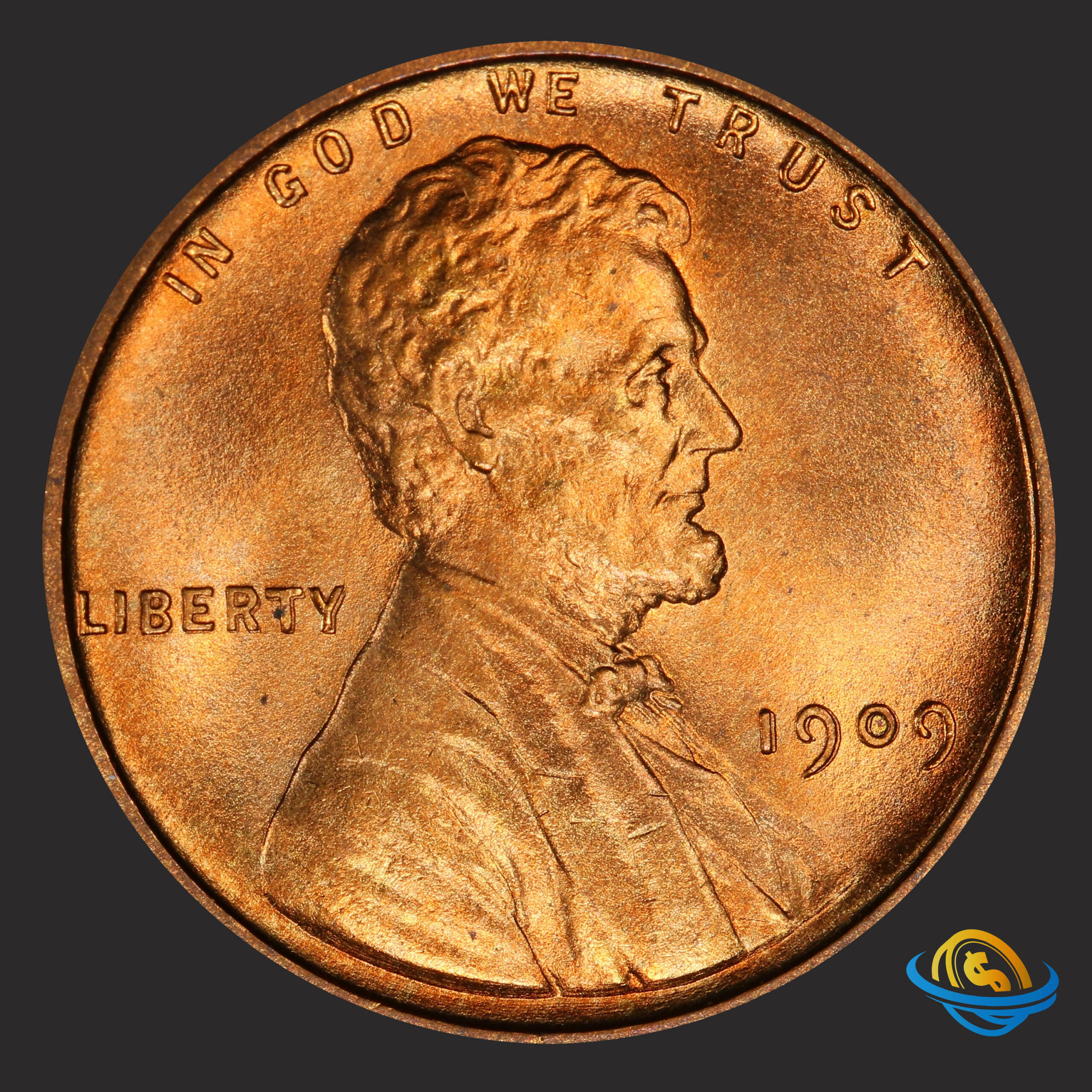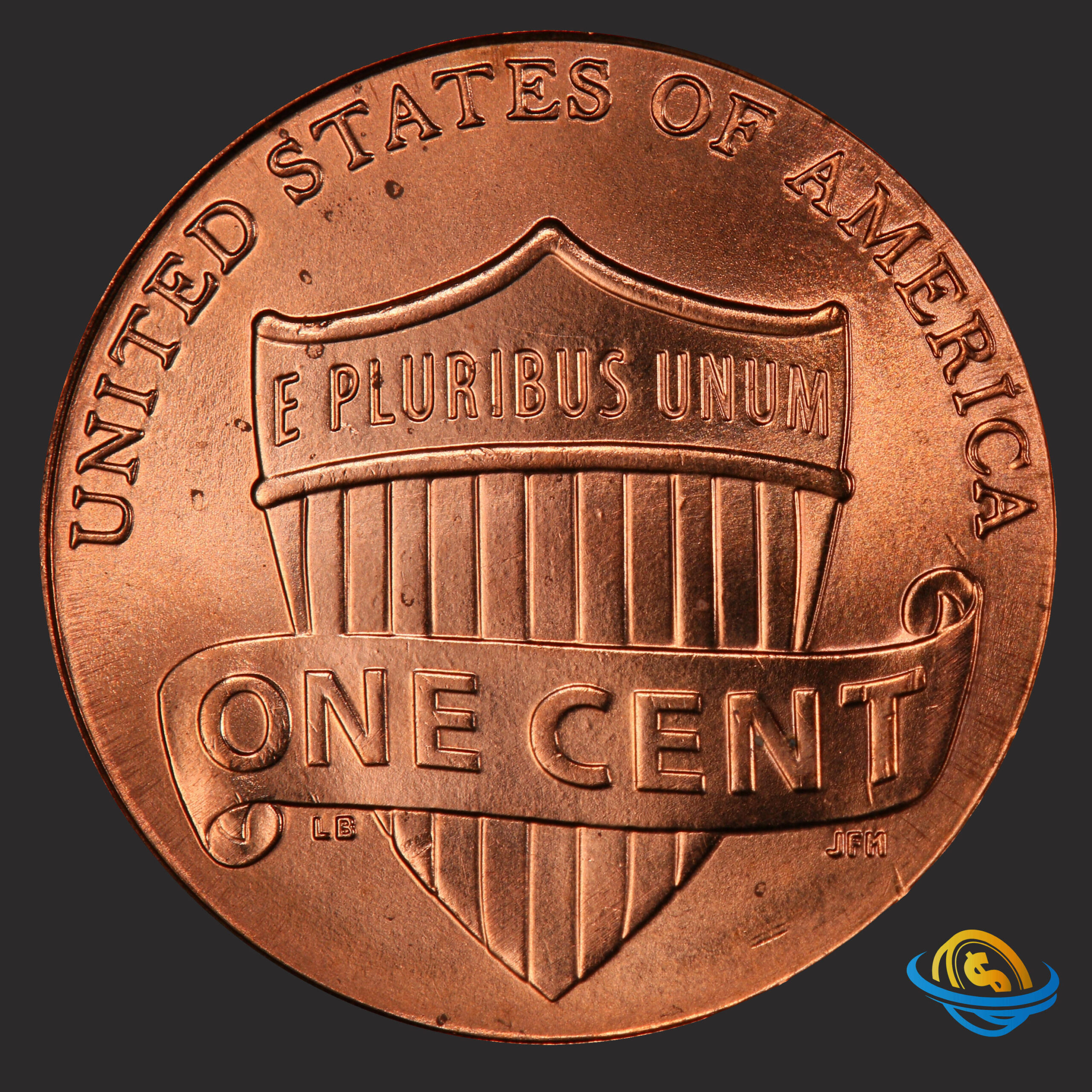
The Lincoln Cent replaced the Indian Head Cent in 1909 and has become the longest-running regular U.S. coin design family. Designed originally by Victor David Brenner, the series includes Wheat Reverse, Memorial Reverse, Bicentennial, and Shield reverse types, along with many important dates, mintmarks, and varieties. Wartime composition changes and later copper-plated zinc issues add further collecting interest.
Example Usage
The Lincoln Cent is the U.S. one-cent coin type introduced in 1909 to honor Abraham Lincoln.
Lincoln Cent
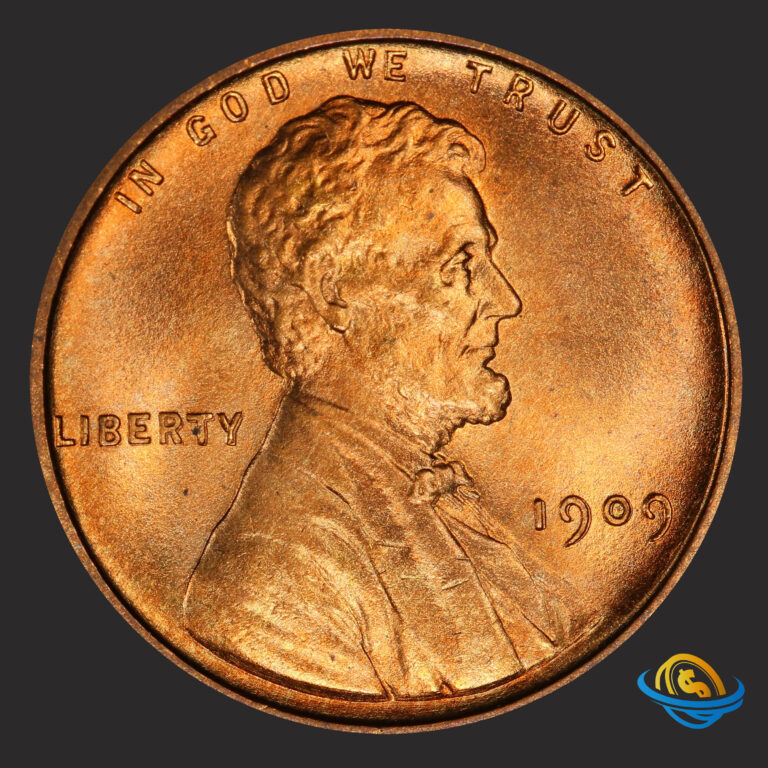
The Lincoln Cent is the one-cent coin introduced by the United States in 1909 to mark the centennial of Abraham Lincoln’s birth. It replaced the Indian Head Cent and became the first regular-issue U.S. coin to feature a real historical person, rather than Liberty or another symbolic figure. More than a century later, it remains the longest-running regular U.S. coin design family.
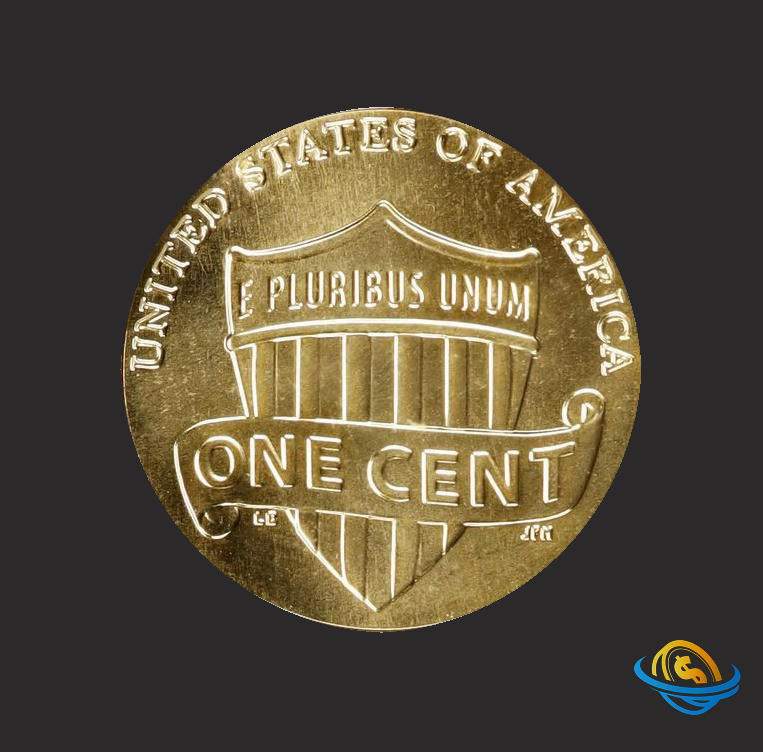
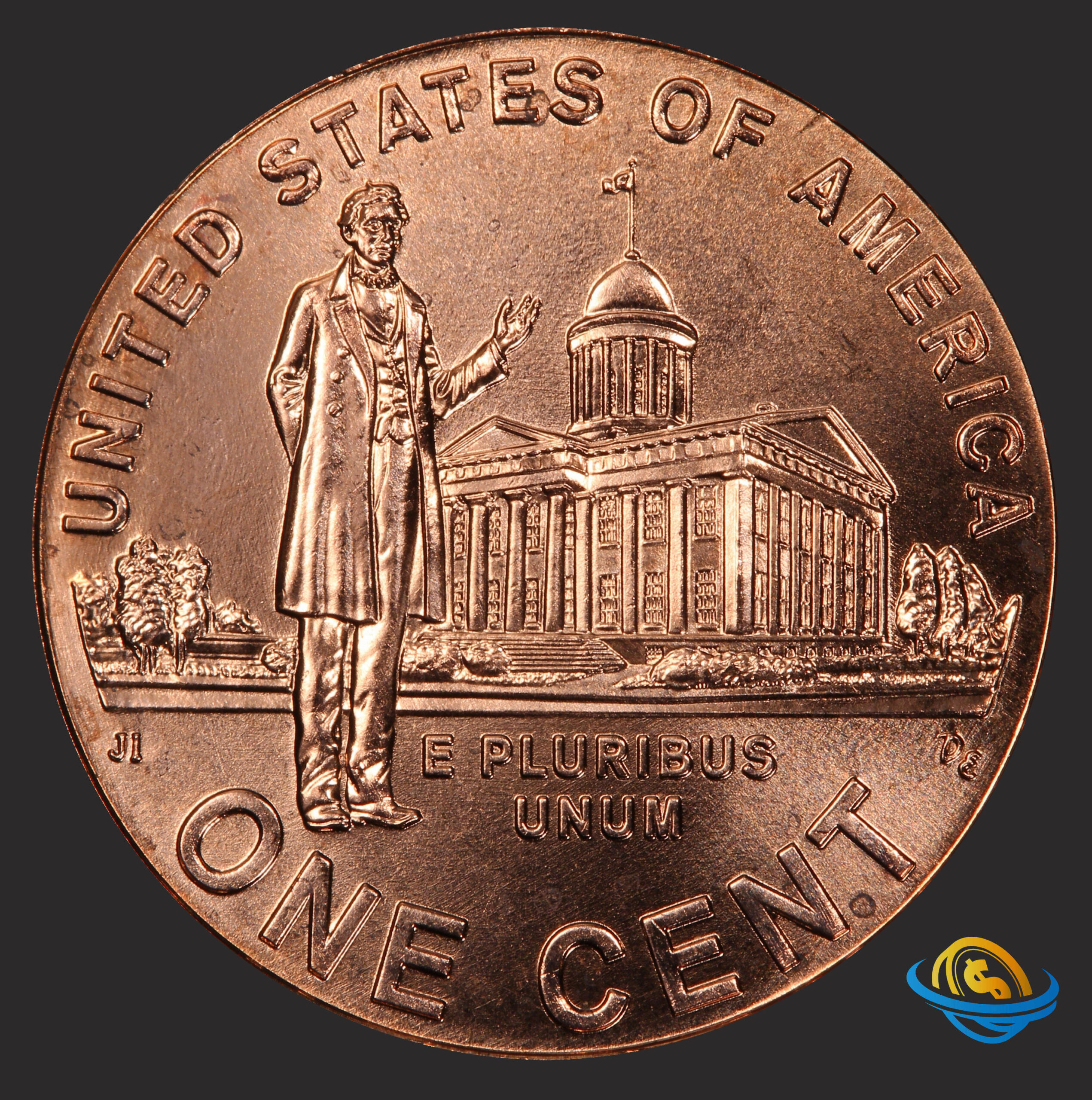
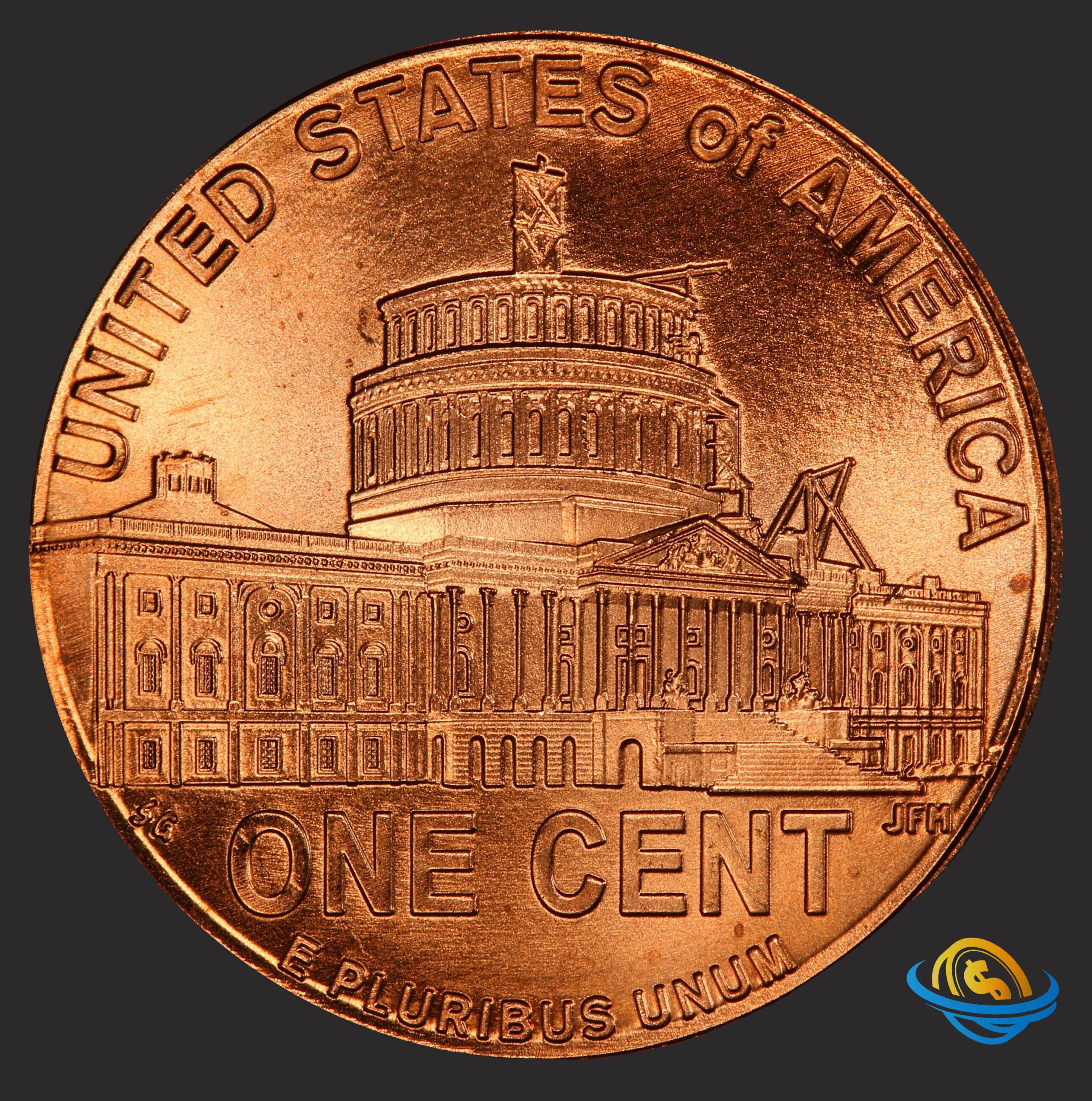
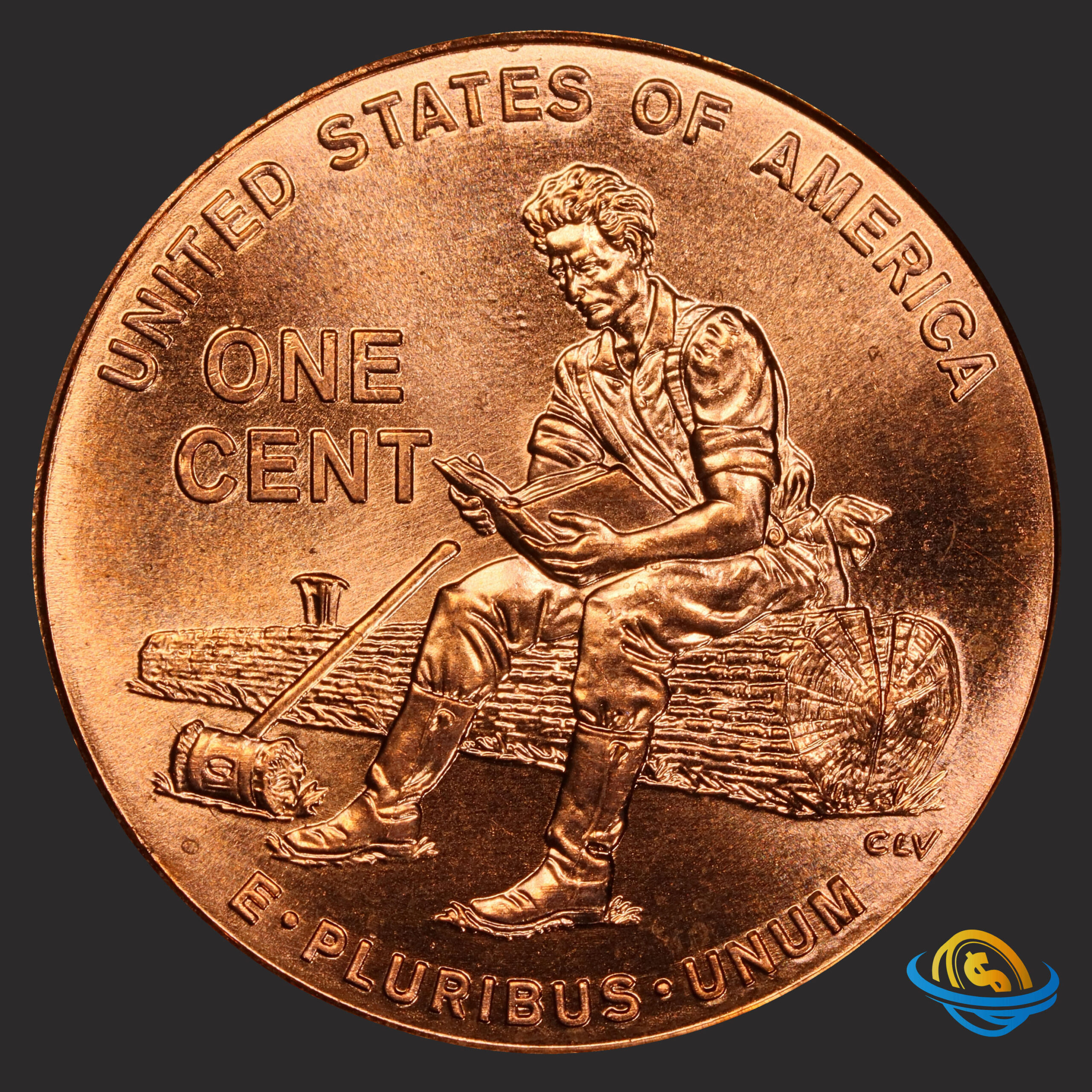
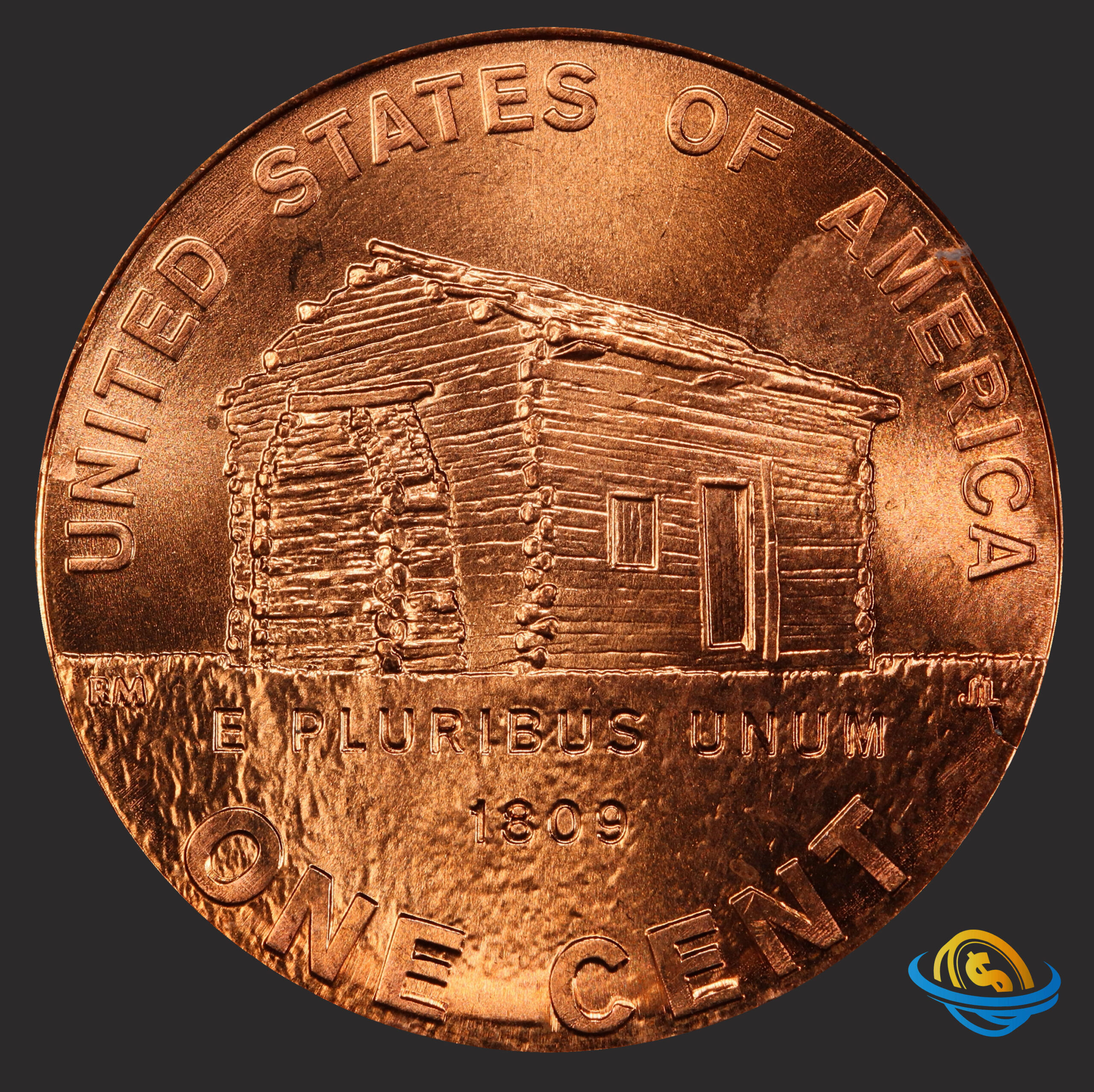
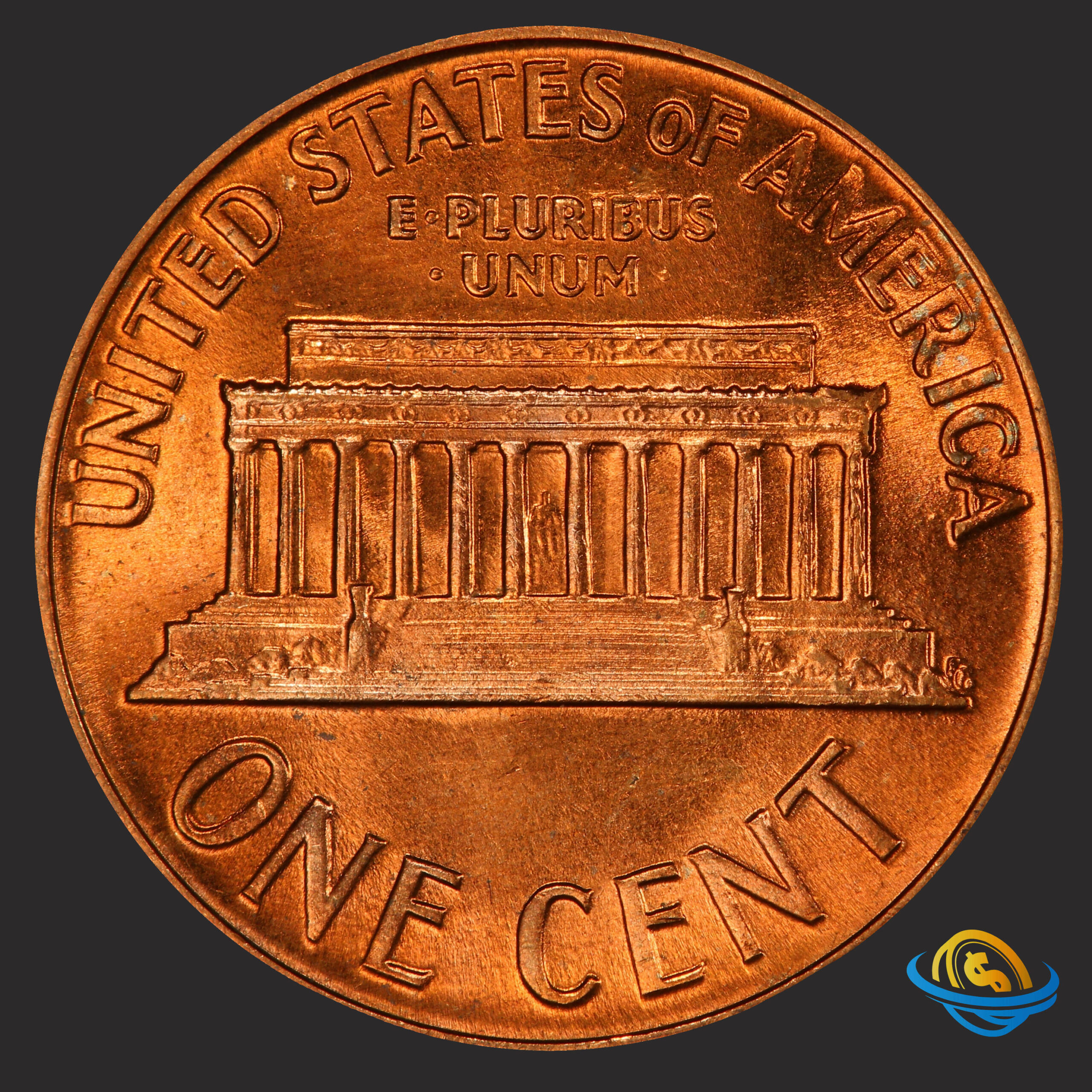
The original design was created by Victor David Brenner. Its obverse shows Lincoln in profile, a portrait that has endured through every major version of the series. The reverse, however, has changed several times. The first type, known as the Wheat Reverse, shows two wheat ears framing the denomination and inscriptions. In 1959, the reverse was changed to the Lincoln Memorial. In 2009, four special Bicentennial reverses marked key stages of Lincoln’s life. In 2010, the Shield reverse was introduced, symbolizing national unity.
The Lincoln Cent is also one of the most heavily collected U.S. series because it combines familiarity with depth. Collectors pursue dates, mintmarks, varieties, errors, and condition rarities. Famous issues such as the 1909-S V.D.B., the 1914-D, the 1922 No D, and the 1955 Doubled Die have helped make the series a cornerstone of American numismatics.
Its composition history adds another layer. Early Lincoln Cents were bronze, but in 1943 the United States struck cents in zinc-coated steel to conserve copper during World War II. In 1944, the coin returned to a copper-based alloy. Since 1982, most Lincoln Cents have been copper-plated zinc, reflecting the changing economics of coin production.
The Lincoln Cent matters because it is both ordinary and historic. It is a coin almost every American has handled, yet its long life records shifts in portraiture, metallurgy, minting, war, commemoration, and collecting culture. Few coins better show how a humble denomination can become a national institution.