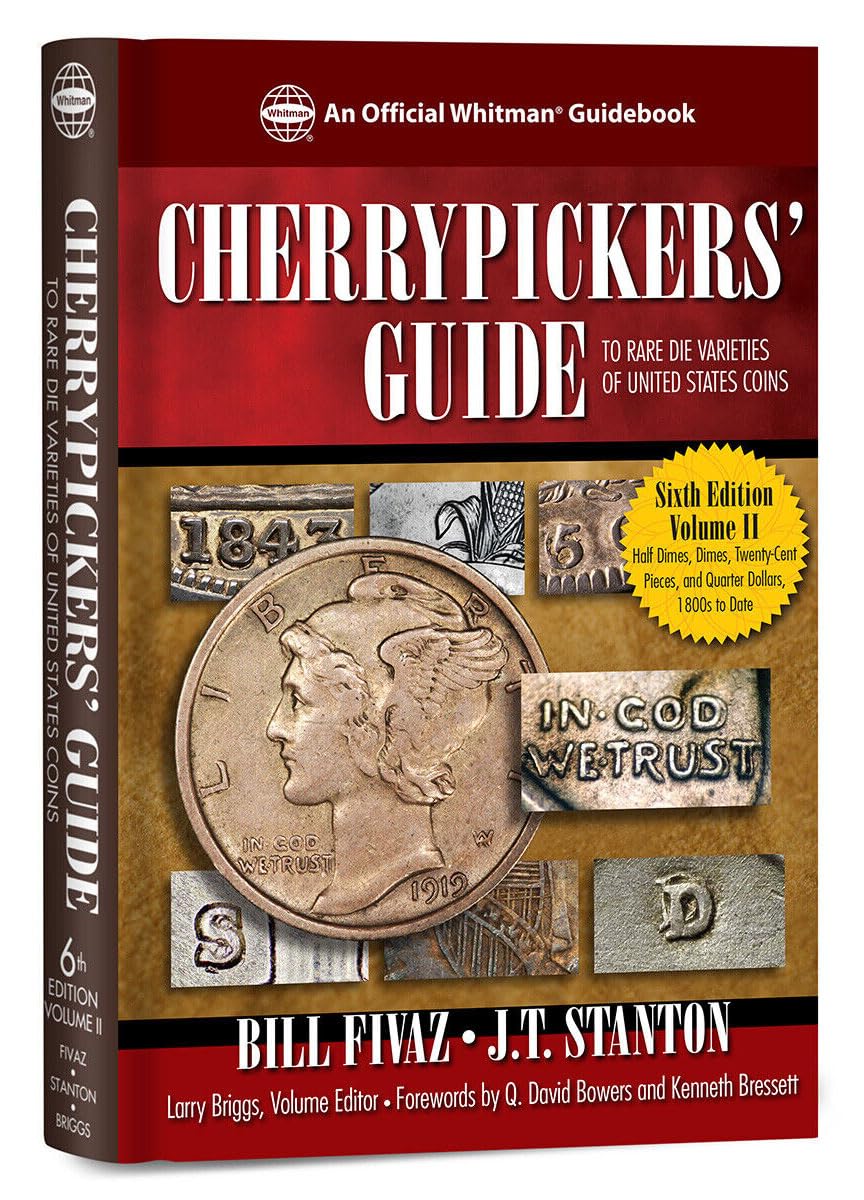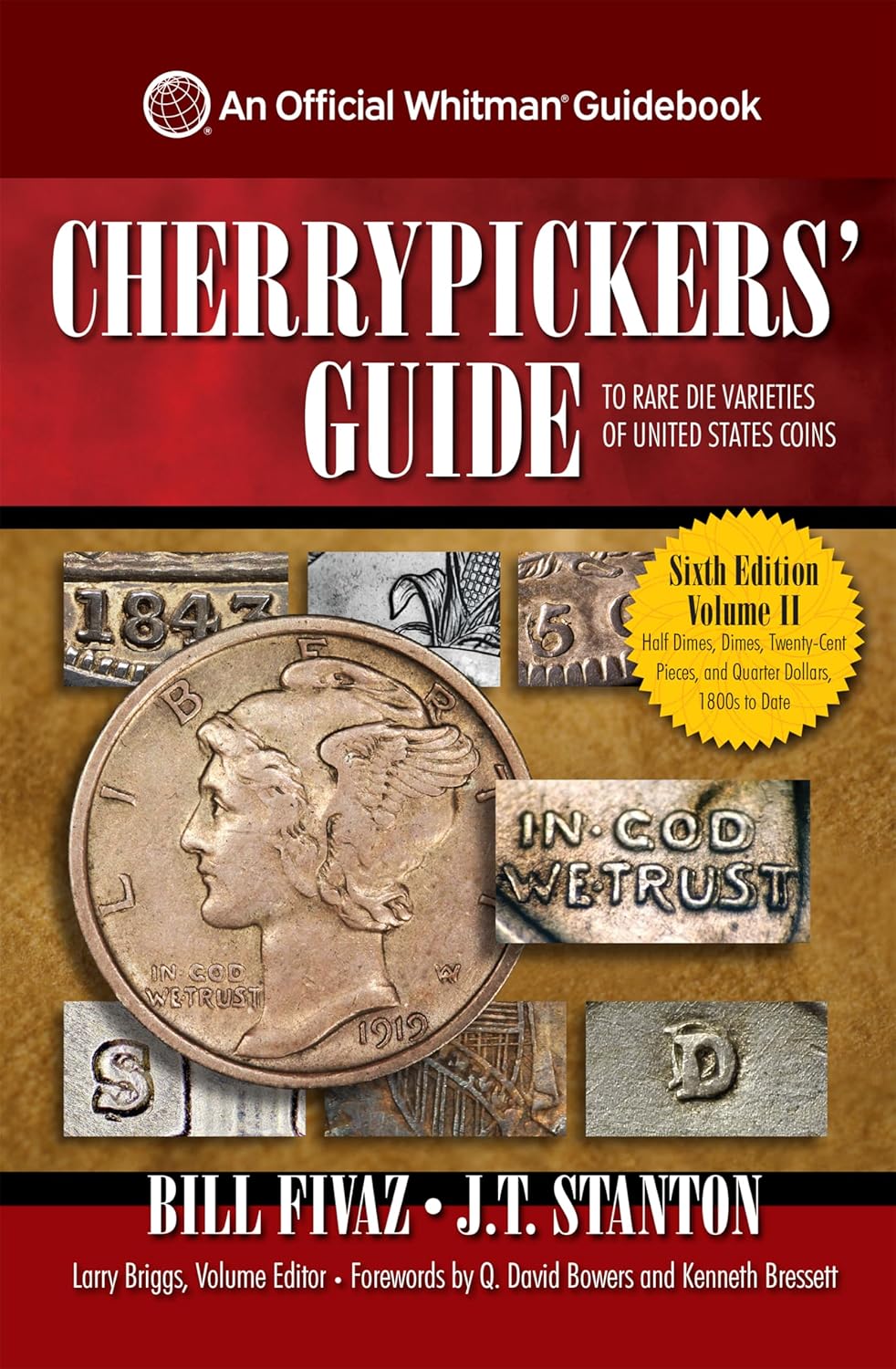
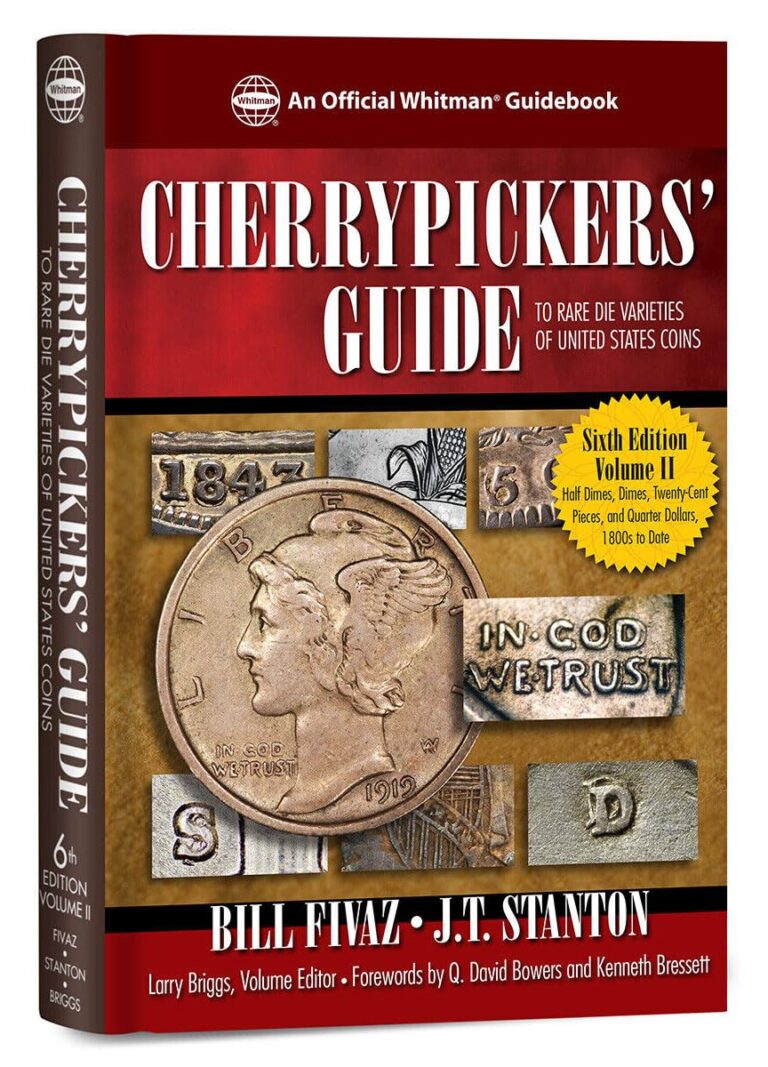
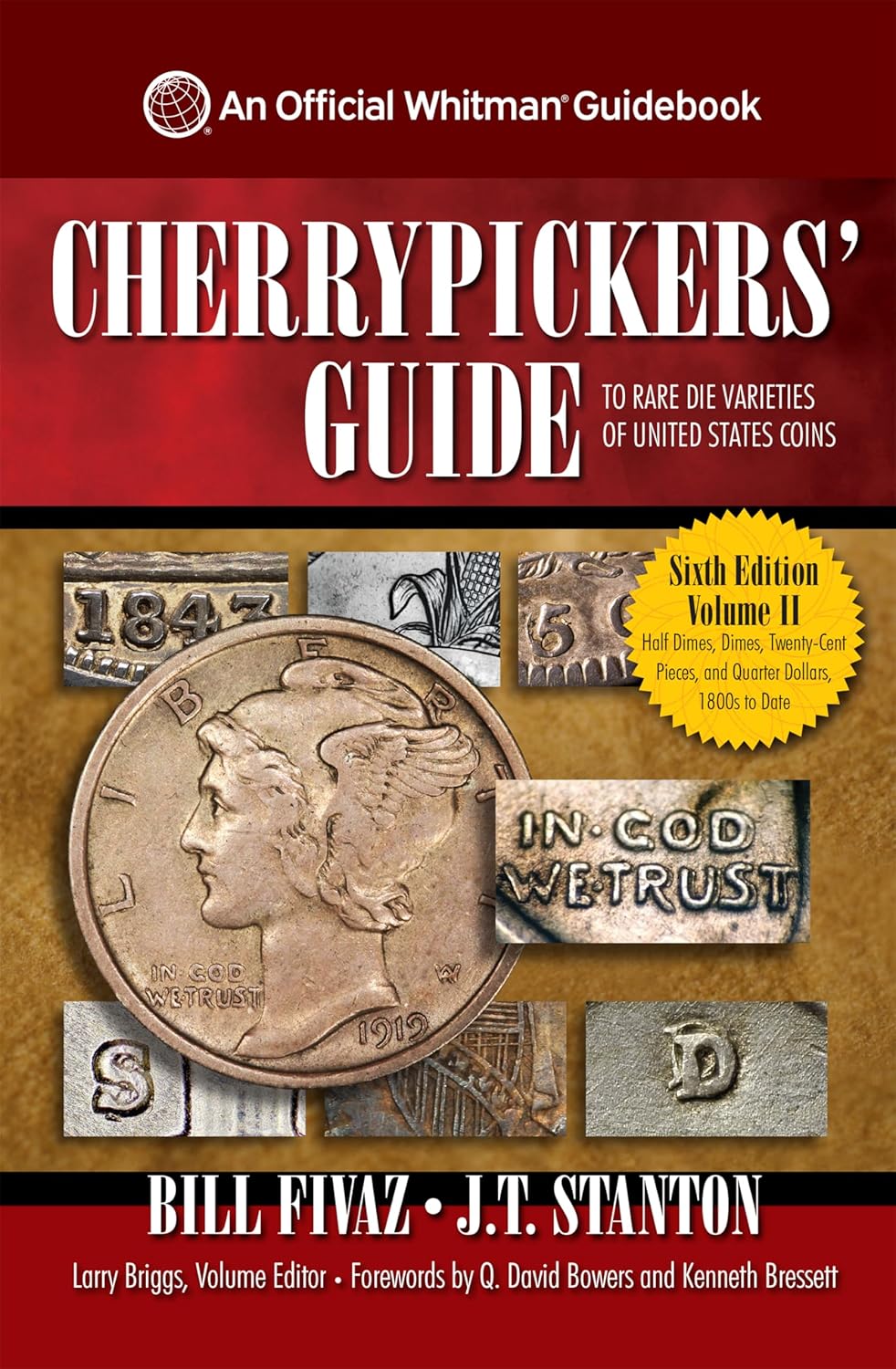
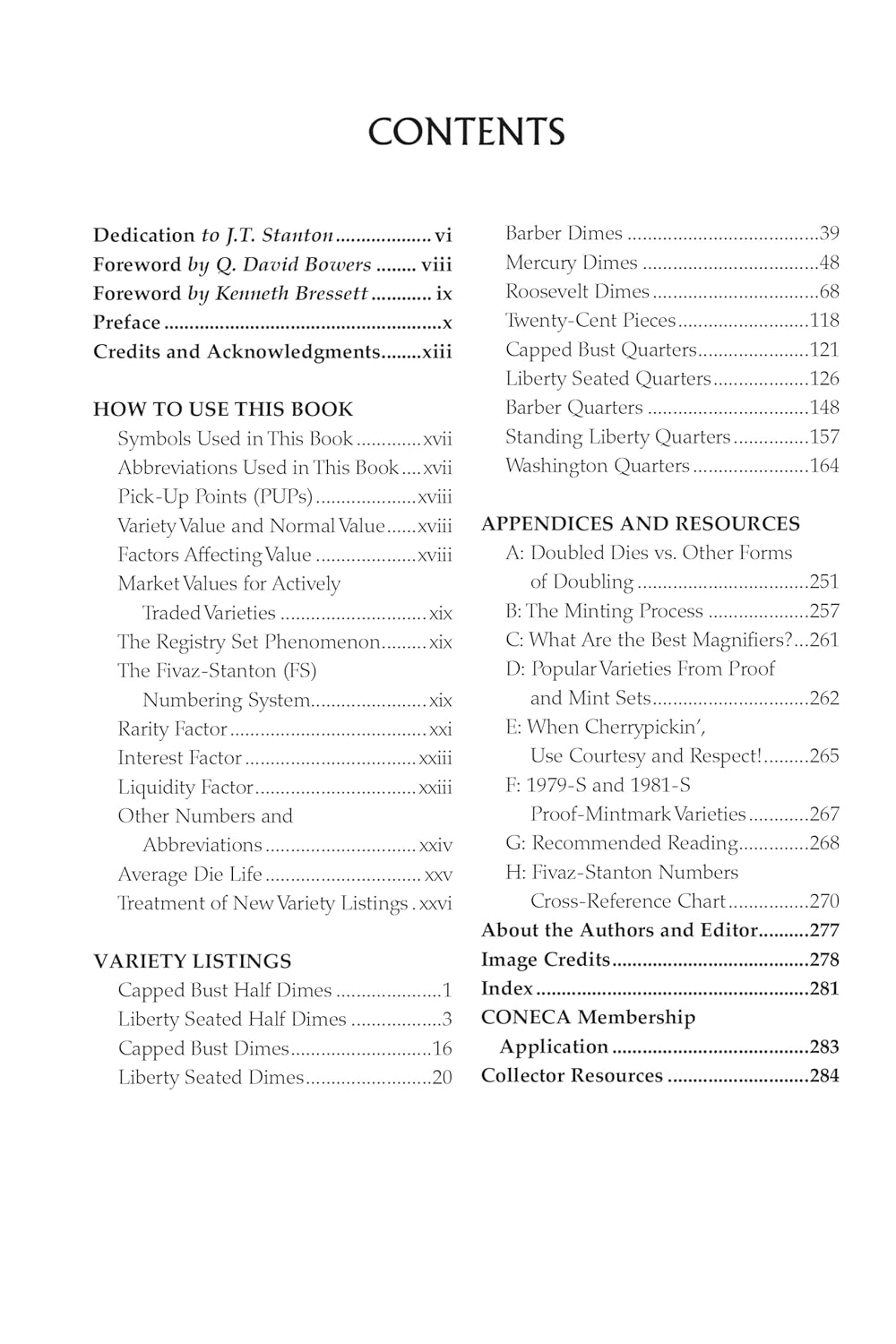
Volume II of the sixth edition carries the Cherrypickers’ Guide into the silver denominations from half dimes through quarters, edited by Liberty Seated specialist Larry Briggs. It debuted at the 2023 ANA World’s Fair of Money and sold out its entire 7,200-copy first print run in under four months, prompting a second printing – a measure of how central this series remains to the variety-hunting hobby.
Key Features
- FS numbering
- half dime through quarter coverage
- photo enlargements
- values in multiple grades
- Larry Briggs editorship
Cherrypickers’ Guide to Rare Die Varieties of United States Coins, Volume II, 6th Edition Review
A Must-Have Reference for U.S. Coin Variety Hunters
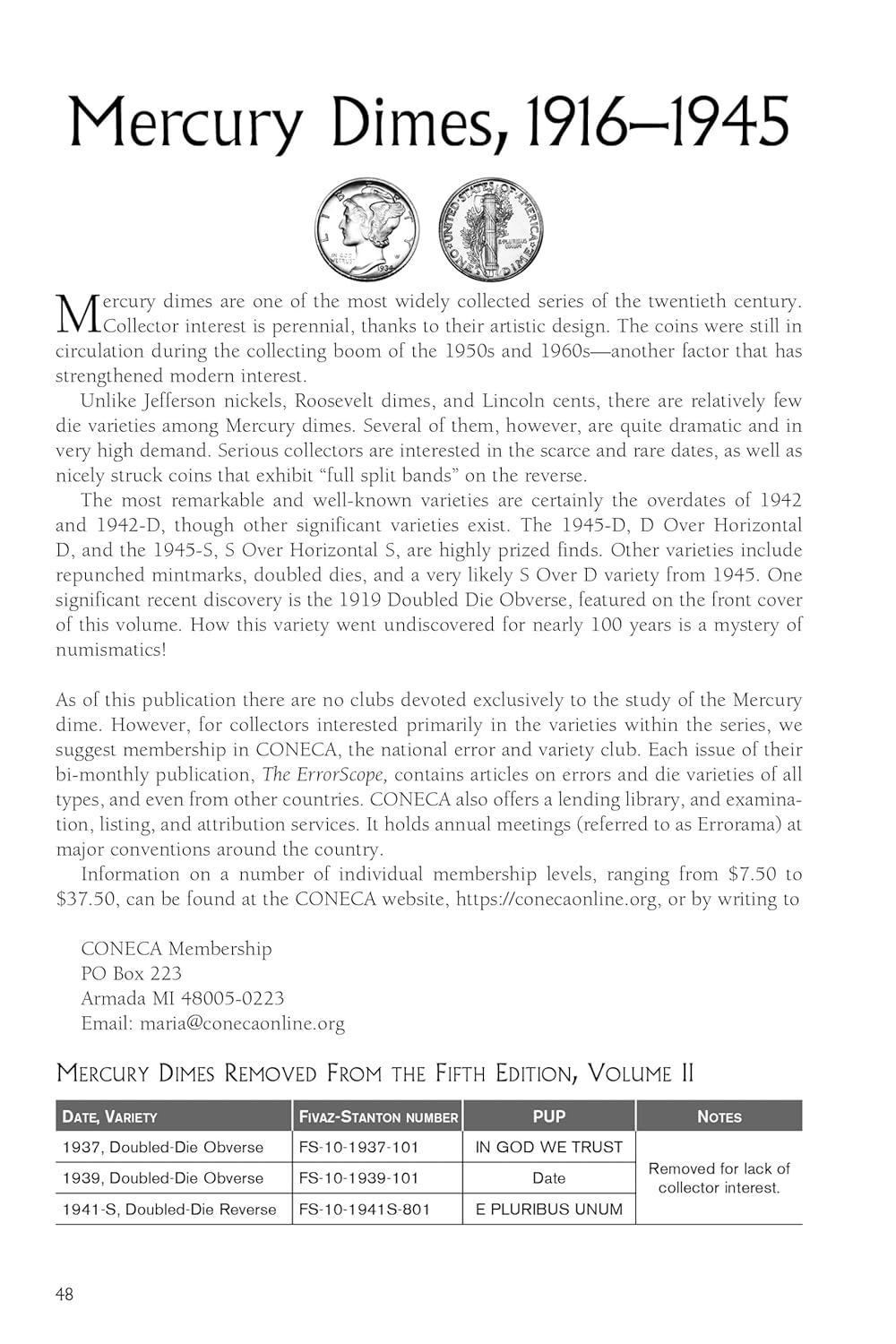
For collectors who enjoy the thrill of finding something overlooked, the Cherrypickers’ Guide to Rare Die Varieties of United States Coins, Volume II, 6th Edition is one of the most important modern references in the hobby. Written by Bill Fivaz and J.T. Stanton, this volume continues the legacy of the Cherrypickers’ Guide series: helping collectors identify rare and valuable die varieties hiding among otherwise ordinary coins.
This is not just a book about coins. It is a field guide for collectors who search dealer boxes, old albums, inherited collections, coin rolls, and online listings for varieties that others may have missed.
What This Book Covers
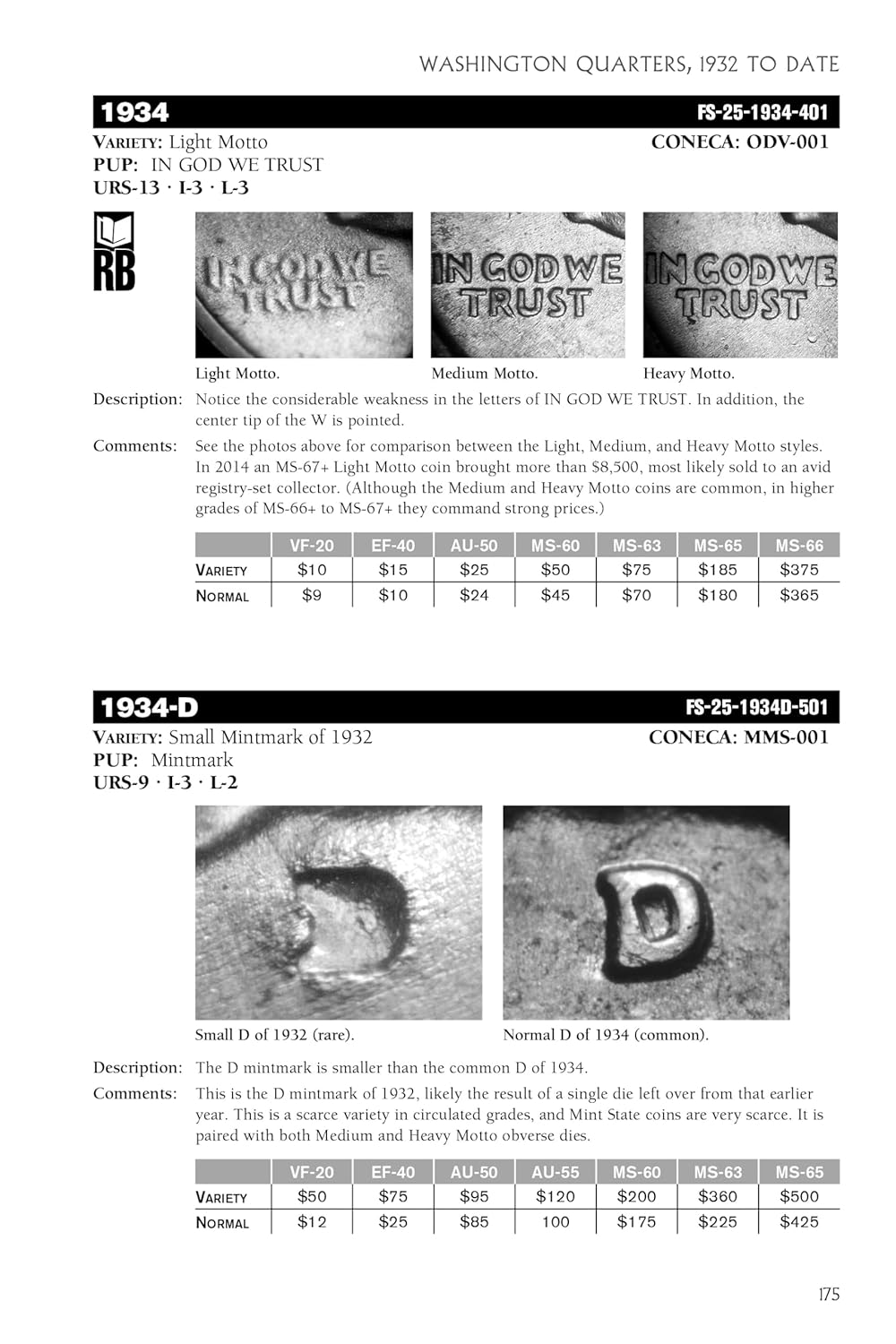
The Cherrypickers’ Guide focuses on collectible die varieties — coins that are valuable not simply because of date, mintmark, or grade, but because of how they were made. These can include doubled dies, repunched mintmarks, overmintmarks, misplaced dates, and other distinctive variety diagnostics.
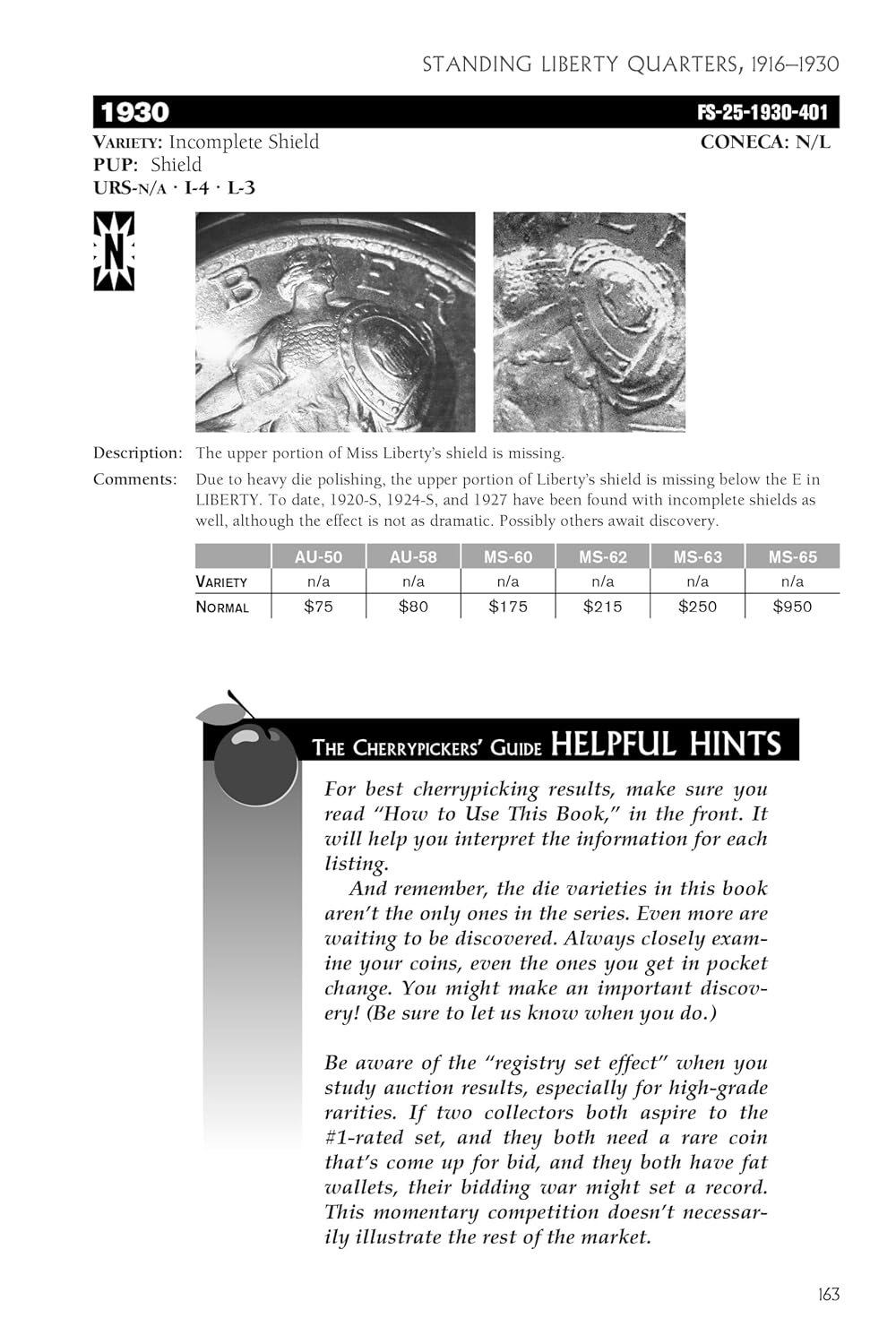
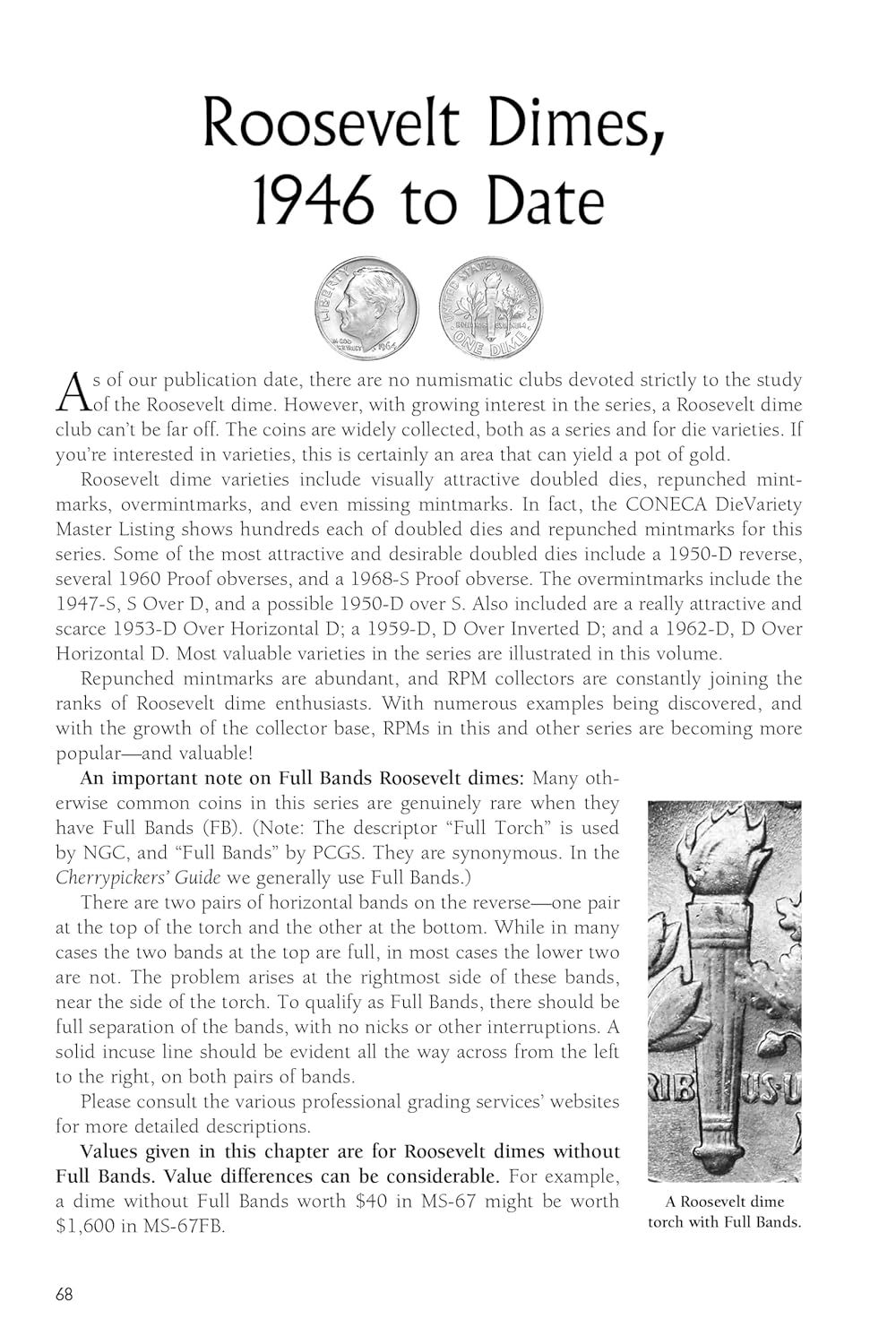
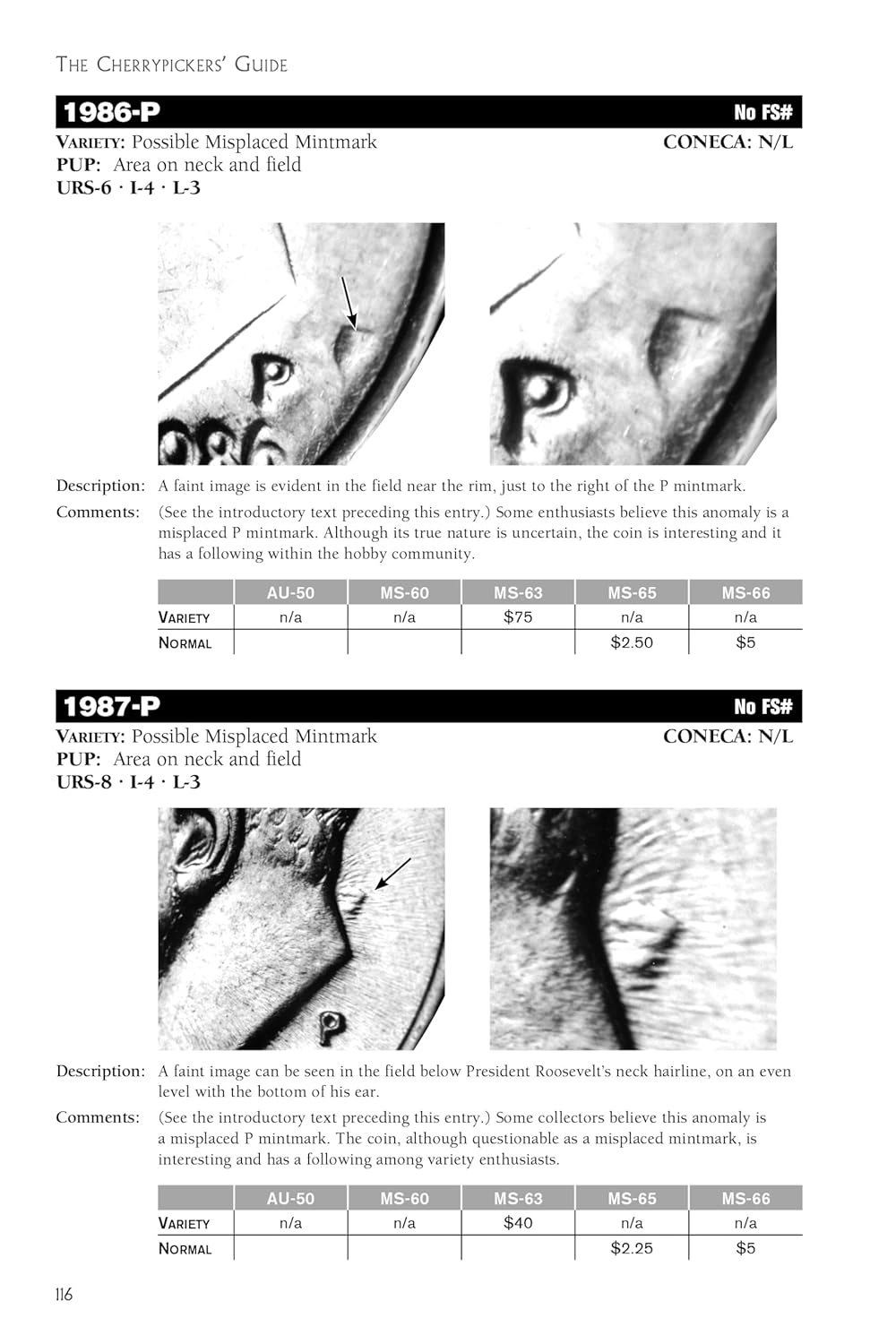
Volume II is especially useful for collectors working with later U.S. denominations and series. The sixth edition provides updated listings, clearer presentation, and detailed photographs to help collectors recognize the important pickup points.
Collectors can use the guide to study:
Doubled dies
Repunched mintmarks
Overmintmarks
Die diagnostics
Variety rarity
Market interest
Attribution points
Collector demand
The real value of the book is that it teaches the reader where to look. A small feature on a date, mintmark, motto, shield, lettering, or design element can be the difference between a common coin and a desirable variety.

Why It Matters for Coin Collectors
The concept of “cherrypicking” is one of the most exciting parts of numismatics. It means finding a better coin at an ordinary price because you recognized something the seller missed.
That could happen at a coin show, in a dealer’s bargain bin, in a roll of coins, or in a family collection that has not been studied closely. The Cherrypickers’ Guide gives collectors the knowledge needed to spot those opportunities.
For many collectors, this book changes the way they look at coins. Instead of seeing only the date and mintmark, they start examining the details: the shape of the mintmark, the doubling on the lettering, the position of design elements, and the small die markers that confirm an attribution.

Strengths
The biggest strength of this book is its practicality. It is designed to be used, not just read once and placed on a shelf. The photographs and descriptions help collectors compare their own coins against known varieties, while the structure of the guide makes it easier to focus on the most collectible and market-recognized examples.
Another major strength is the authority behind it. Bill Fivaz and J.T. Stanton helped bring variety collecting into the mainstream, and the Cherrypickers’ Guide remains one of the most widely recognized names in U.S. coin variety references.
The book is also valuable because varieties listed in the Cherrypickers’ Guide often receive stronger collector attention. For many buyers and sellers, a variety’s inclusion in the guide can help establish its importance in the marketplace.
Best Uses
This guide is especially useful for:
Variety hunters
Roll searchers
Collectors searching dealer inventory
U.S. coin collectors building advanced sets
Online sellers identifying better coins
Coin dealers checking unattributed stock
Collectors learning doubled dies and repunched mintmarks
Anyone who enjoys close-up coin diagnostics
It pairs especially well with a good loupe, a digital microscope, and a current general price guide.
Limitations
This is a specialized reference, so it may not be the best first book for someone completely new to coin collecting. Beginners may want to start with a general Red Book-style guide, then add the Cherrypickers’ Guide once they are ready to study varieties in more detail.
It is also important to remember that no single reference covers every variety known. The Cherrypickers’ Guide focuses on selected rare, popular, and collectible die varieties. Advanced specialists may still want dedicated references for individual series, such as Lincoln cents, Buffalo nickels, Washington quarters, or Morgan dollars.
Finally, market values can change. The book is most useful for identification, diagnostics, and understanding variety importance. For expensive coins, collectors should still check recent auction results, dealer listings, and certification data before buying.
Verdict
Cherrypickers’ Guide to Rare Die Varieties of United States Coins, Volume II, 6th Edition is an essential reference for collectors who want to move beyond basic date-and-mintmark collecting. It teaches the details that matter, helps collectors spot hidden value, and makes coin searching more rewarding.
For a numismatic resources section, this is an easy recommendation. It belongs on the shelf of any serious U.S. coin collector, especially those who enjoy the hunt for overlooked varieties.
Recommended for: Variety hunters, U.S. coin collectors, roll searchers, dealers, online sellers, and advanced beginners.
Not ideal for: Collectors who only want a simple price guide or have no interest in close inspection and variety attribution.