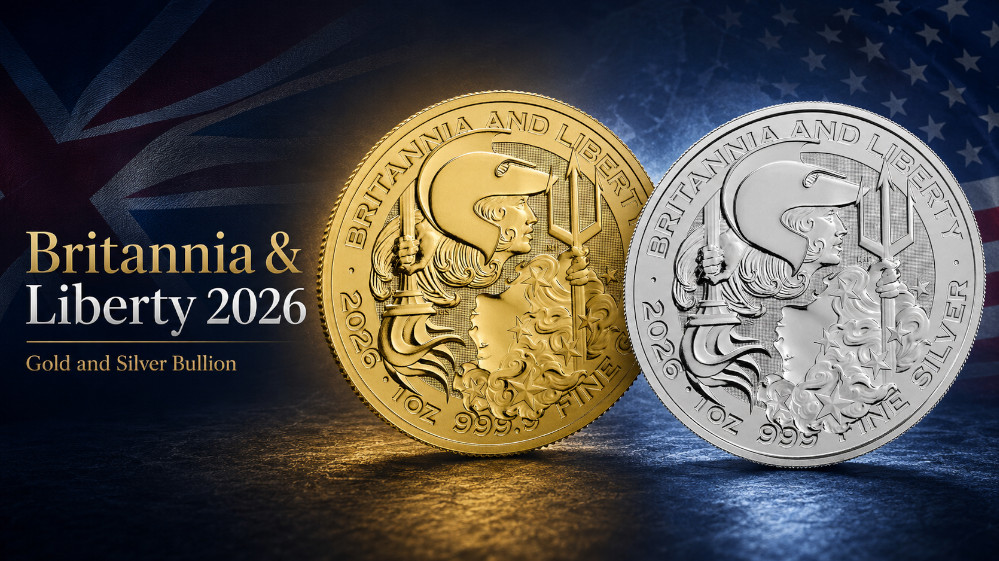
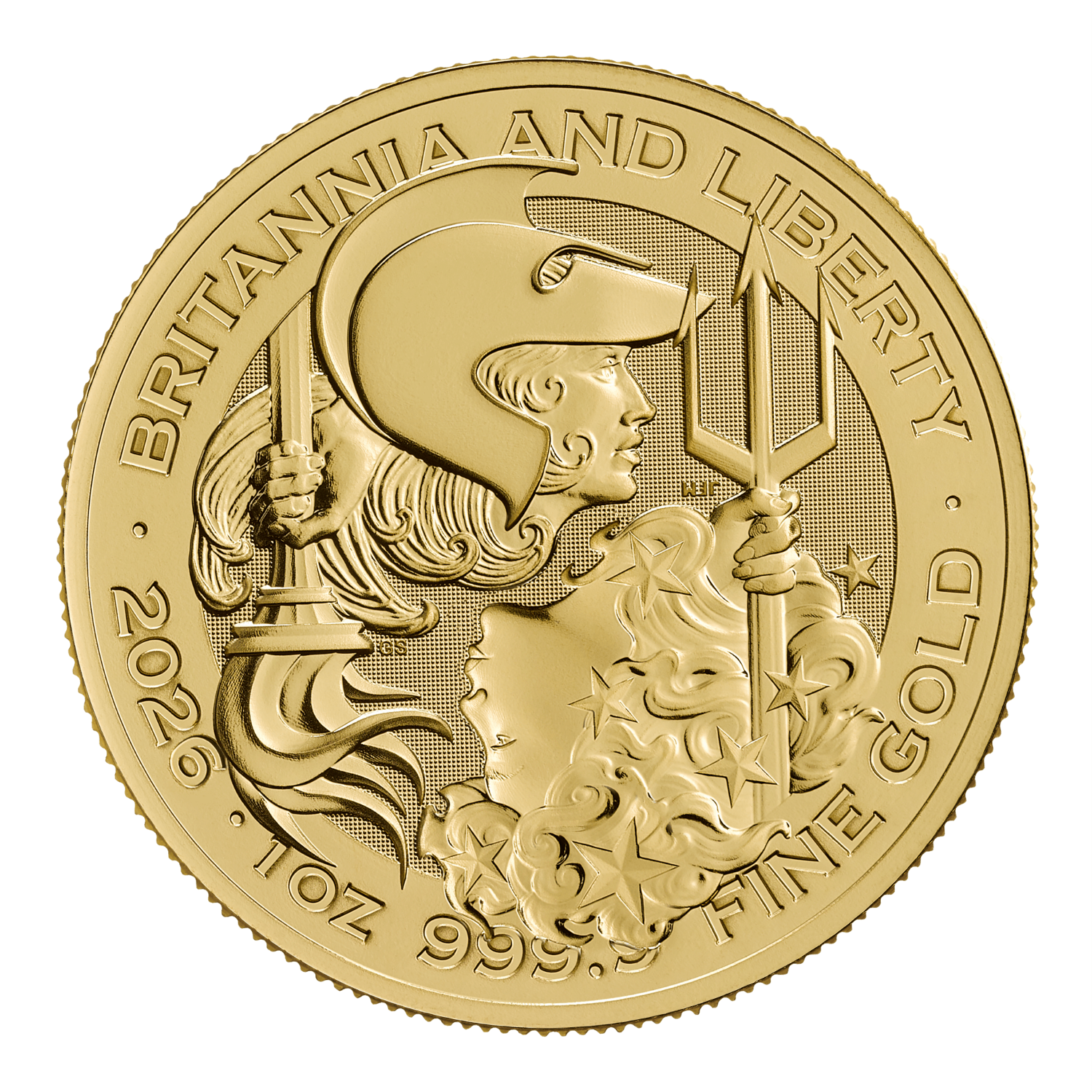
The Royal Mint has released the 2026 editions of its Britannia and Liberty bullion coins, bringing the first-ever design collaboration between the Chief Engravers of the British and American mints back to the bullion market with a new year-dated design. The one-ounce gold version is capped at 5,000 pieces worldwide, while the silver companion carries a limit of 50,000, and both are available now through the Mint’s bullion channel.
For a bullion programme, those are unusually tight numbers, and they reflect what this series has become since its debut: less a stacking product than a collectable with a bullion price tag. The 2026 issue continues a partnership that has no real precedent in modern minting, and the design brief behind it remains one of the more charming ideas either mint has put on metal in recent years.
A Tale of Two Engravers
The story begins in 2024, when The Royal Mint and the United States Mint agreed to something neither institution had attempted before: a single coin design created jointly by their respective Chief Engravers. Gordon Summers, Chief Engraver of The Royal Mint, and Joseph Menna, his counterpart at the U.S. Mint, worked together on a composition uniting the two nations’ most enduring allegorical figures, Britannia and Liberty.
The Royal Mint frames the pairing as a physical expression of the “special relationship”, the phrase Winston Churchill coined in 1946 to describe the bond between the United Kingdom and the United States. It is an easy line for marketing copy, but in this case the symbolism holds up. Britannia has personified Britain on coinage since the reign of Charles II. Liberty has anchored American coin design since the earliest days of the Philadelphia Mint. Putting them on the same coin, drawn by the two people who hold the senior engraving posts on each side of the Atlantic, is the kind of gesture that only works because both figures carry three centuries of numismatic weight behind them.
Court Cards and Equal Billing
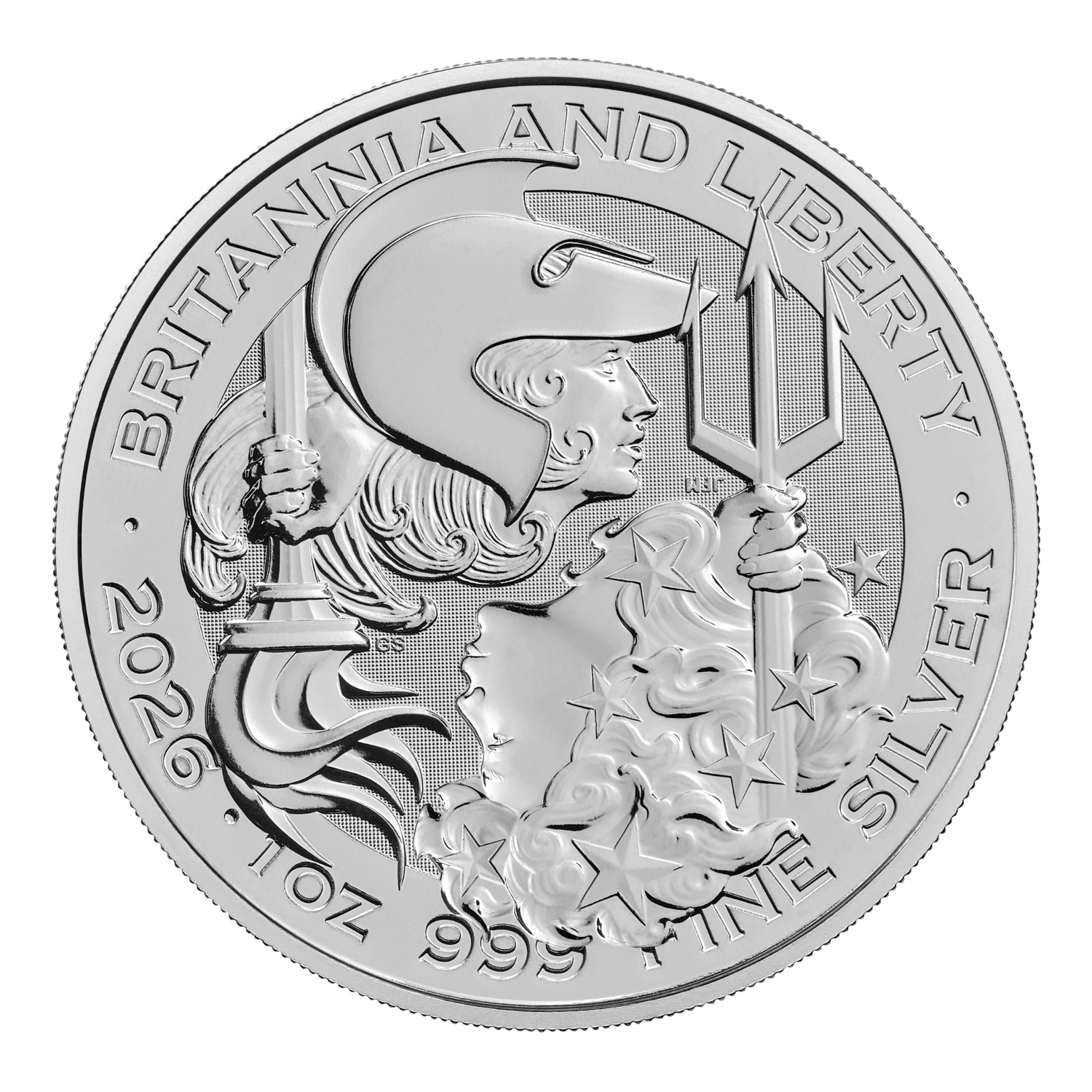
The design itself takes its cue from an unexpected source: the court cards of a traditional playing deck. Britannia, trident in hand, and Liberty, torch raised, are arranged in the mirrored, rotational manner of a king or queen on a playing card, so that neither figure outranks the other whichever way the coin is turned. Equal prominence was the point, and the layout enforces it structurally rather than leaving it to interpretation.
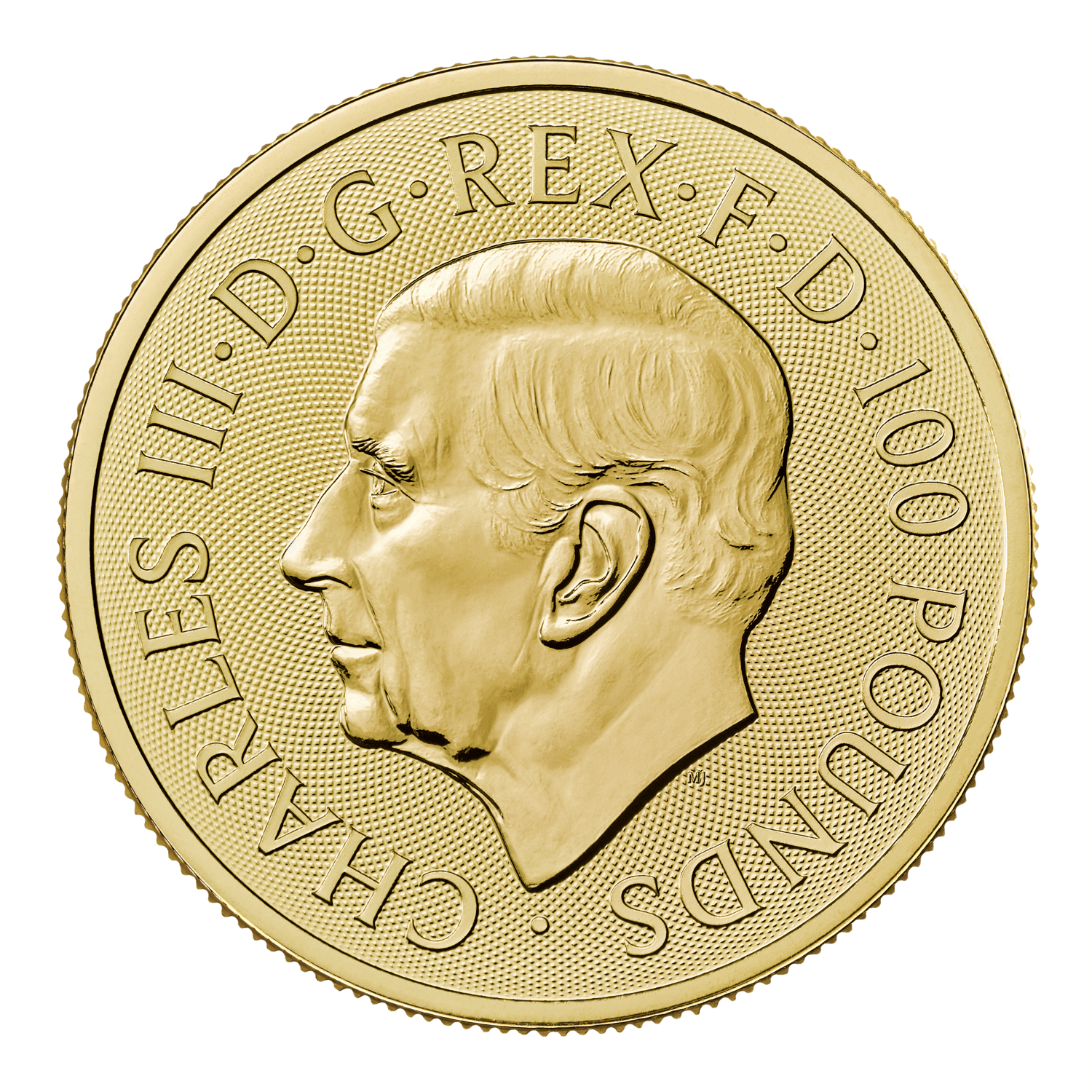
The Royal Mint describes the two figures as representing fortitude and freedom, the twin qualities underpinning the national identities of the UK and the US. For 2026, the design returns to bullion with the new date incorporated into the composition. The obverse carries Martin Jennings’ effigy of King Charles III, the standard portrait across current UK coinage.
The 2026 Issues
The gold coin is struck in one troy ounce of 999.9 fine gold, measures 32.69mm in diameter and carries a £100 denomination. With just 5,000 pieces available worldwide, it sits at the scarce end of the bullion spectrum, and pricing starts from £3,336.87 at the highest volume tier, with single coins listed at £3,382.06 at the time of writing.
The silver version is struck in one troy ounce of 999 fine silver at 38.61mm, carries a £2 denomination and is limited to 50,000 pieces. Pricing starts from £60.31 per coin at volume, with single pieces at £61.61. Both coins ship individually packaged in single coin capsules rather than the tubes typical of standard bullion Britannias, another quiet signal that the Mint expects these to be kept, not stacked.
As UK legal tender, both coins are exempt from capital gains tax for UK residents, and the gold version is additionally VAT free for private individuals not registered for VAT, the usual advantages that make Royal Mint bullion a favourite of British buyers.
The Bottom Line
The Britannia and Liberty series occupies a curious and rather appealing place in the market. It is sold as bullion, priced close to metal value, yet everything about it, from the joint engraver credit to the court card conceit to the 5,000-piece gold mintage, belongs to the world of collector coins. For buyers, that combination is the draw: a genuine piece of minting history, the first transatlantic Chief Engraver collaboration, available at a fraction of the premium such a story would normally command. If the previous issues are any guide, the gold in particular will not wait around for the undecided.